Why Insurance Claims Depend on Documentation, Not Opinions


The Importance of Documentation in Insurance Claims
When it comes to filing an insurance claim, the difference between a smooth process and a complicated one often boils down to documentation. While opinions and personal accounts might seem compelling, insurance companies rely heavily on documented evidence to assess the validity and value of a claim.

The Role of Documentation
Documentation serves as the backbone of any insurance claim. It provides concrete evidence of the events that led to the claim and supports the policyholder's request for compensation. Without proper documentation, an insurance company may find it challenging to verify the details of a claim, leading to delays or even denials.
Key documents often include police reports, medical records, receipts, and photographs. These pieces of evidence offer an objective view of the incident, allowing claims adjusters to evaluate the situation accurately.
Why Opinions Fall Short
While personal opinions and testimonies can provide context, they are subjective and may not hold up under scrutiny. Insurance companies require objective evidence to ensure that claims are processed fairly and consistently. Opinions can be influenced by emotions, misunderstandings, or biases, making them unreliable as sole evidence.

For instance, a policyholder might feel their car accident was not their fault, but without a police report or witness statements, it remains a matter of personal belief. Documentation offers the factual basis needed to support such assertions.
Steps to Ensure Proper Documentation
To improve the chances of a successful claim, policyholders should take proactive steps to gather and maintain relevant documentation. Here are some practical steps:
- Keep Detailed Records: Maintain copies of all relevant documents, including contracts, receipts, and correspondences.
- Photographic Evidence: Take pictures of any damage or relevant scenes as soon as possible.
- File Reports Promptly: Ensure that any incidents are reported to the relevant authorities quickly to get official documentation.
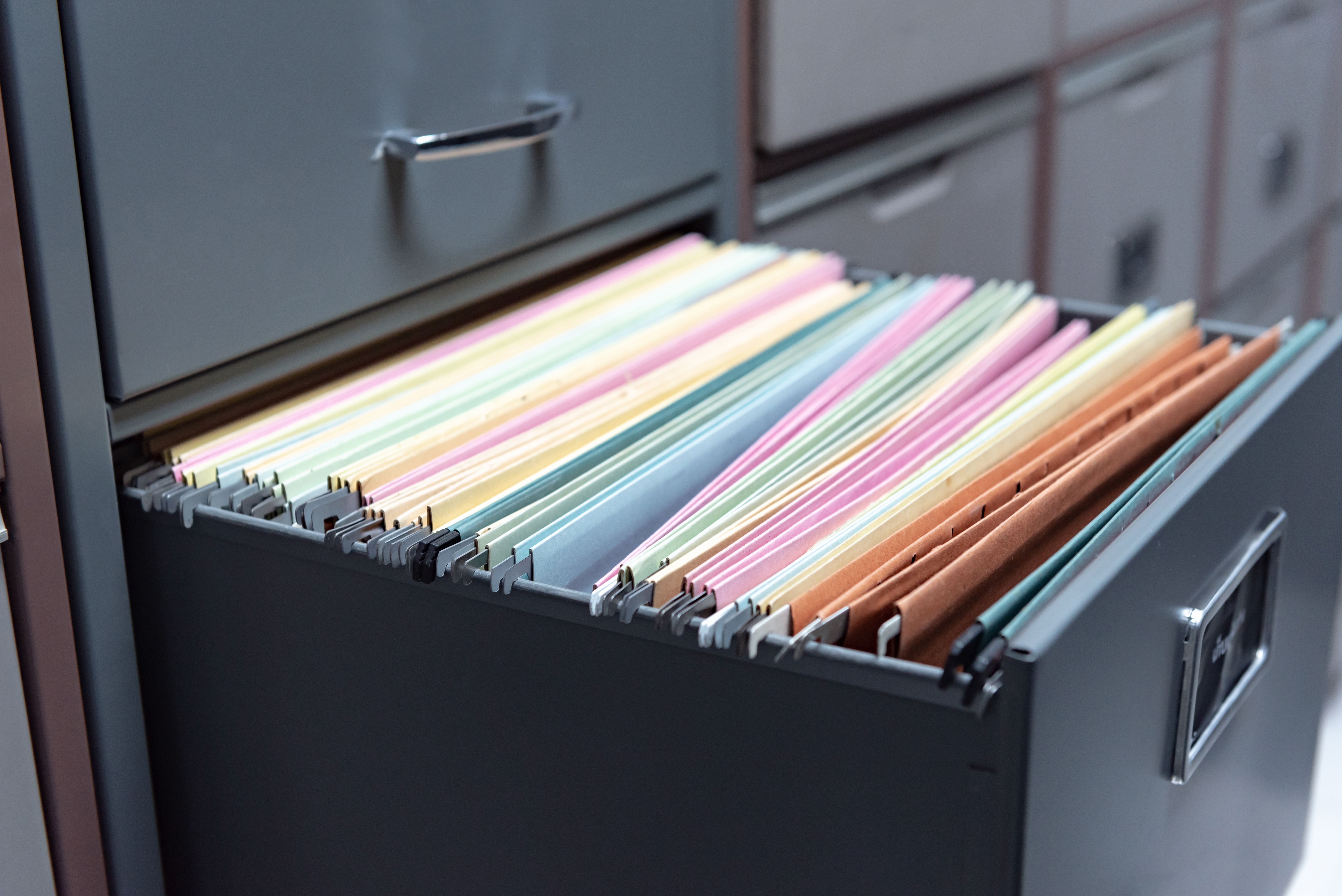
Benefits of Strong Documentation
Having thorough and well-organized documentation can expedite the claims process. It reduces the back-and-forth between the insurer and the policyholder and minimizes the need for additional investigations. This efficiency can lead to faster settlements and less stress for all parties involved.
Moreover, strong documentation can also protect against potential disputes. If the insurer's findings differ from the policyholder's claims, having a comprehensive evidence trail can help resolve discrepancies.
Conclusion
In the realm of insurance claims, documentation is king. While opinions and personal accounts may add context, they cannot replace the concrete evidence that documentation provides. By understanding the critical role of documentation, policyholders can better prepare themselves to navigate the claims process, ensuring they have the best chance of a successful outcome.