Why Aerial Imaging is Transforming Wildlife Surveys in the DFW Area

The Rise of Aerial Imaging in Wildlife Surveys
In recent years, technological advancements have significantly transformed various fields, and wildlife surveys in the Dallas-Fort Worth (DFW) area are no exception. Aerial imaging, a relatively new tool in this domain, is revolutionizing the way researchers and conservationists monitor and study wildlife populations.
Traditionally, wildlife surveys involved labor-intensive methods such as ground counts and manual tracking, which often proved to be time-consuming and sometimes inaccurate. With aerial imaging, these challenges are being addressed effectively, offering more precise and comprehensive data.
Improved Accuracy and Coverage
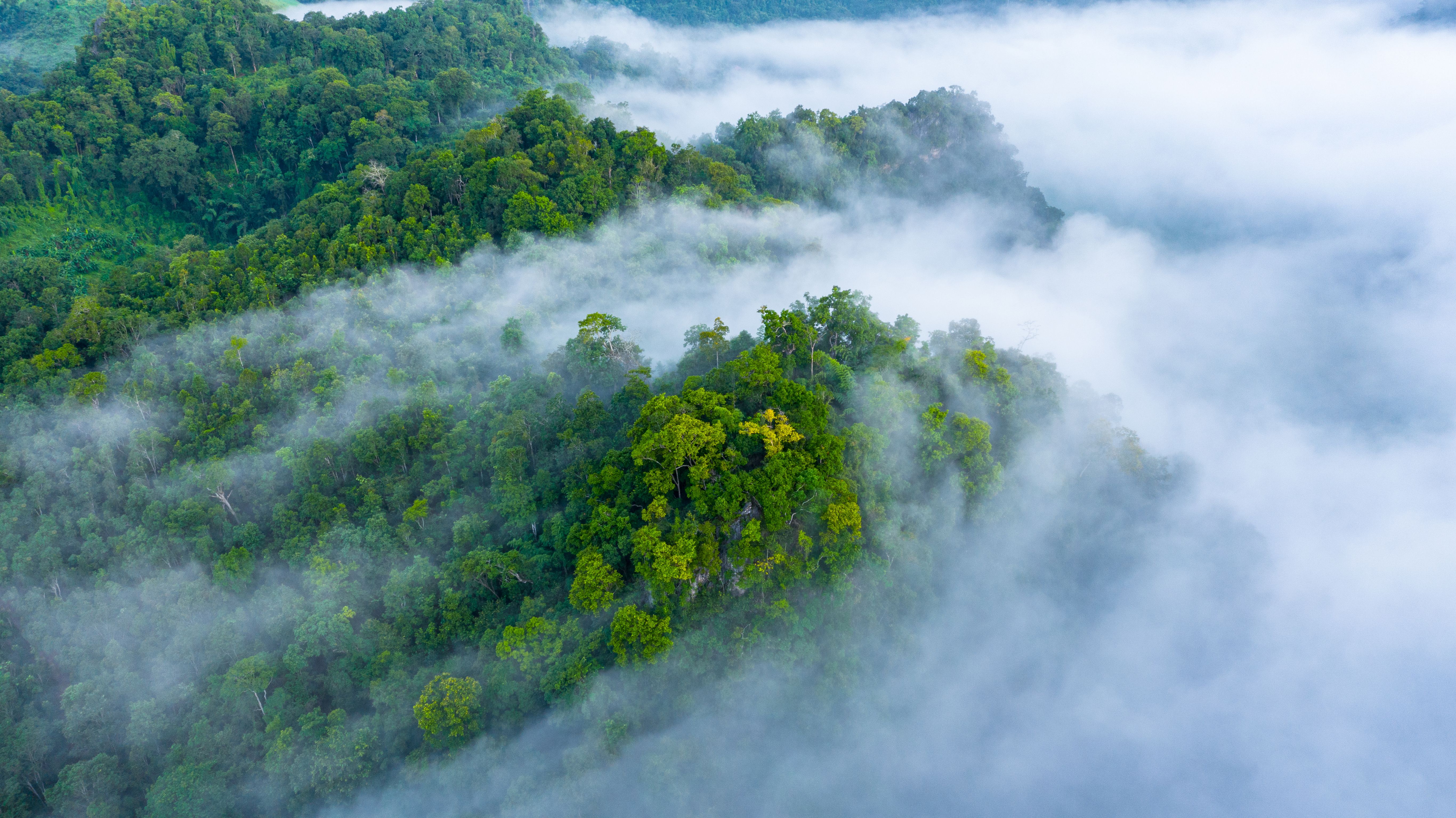
Aerial imaging provides a bird's-eye view of vast landscapes, allowing researchers to cover large areas quickly. This capability is especially beneficial in the expansive DFW region, where diverse ecosystems can be difficult to access on foot. By using drones equipped with high-resolution cameras, conservationists can capture detailed images and videos that reveal the presence and movements of wildlife.
Moreover, advanced imaging technology enables the identification of individual animals and their behaviors. This level of detail enhances the accuracy of population estimates and helps in tracking changes over time. As a result, conservation efforts can be more targeted and effective.
Cost-Effectiveness and Efficiency
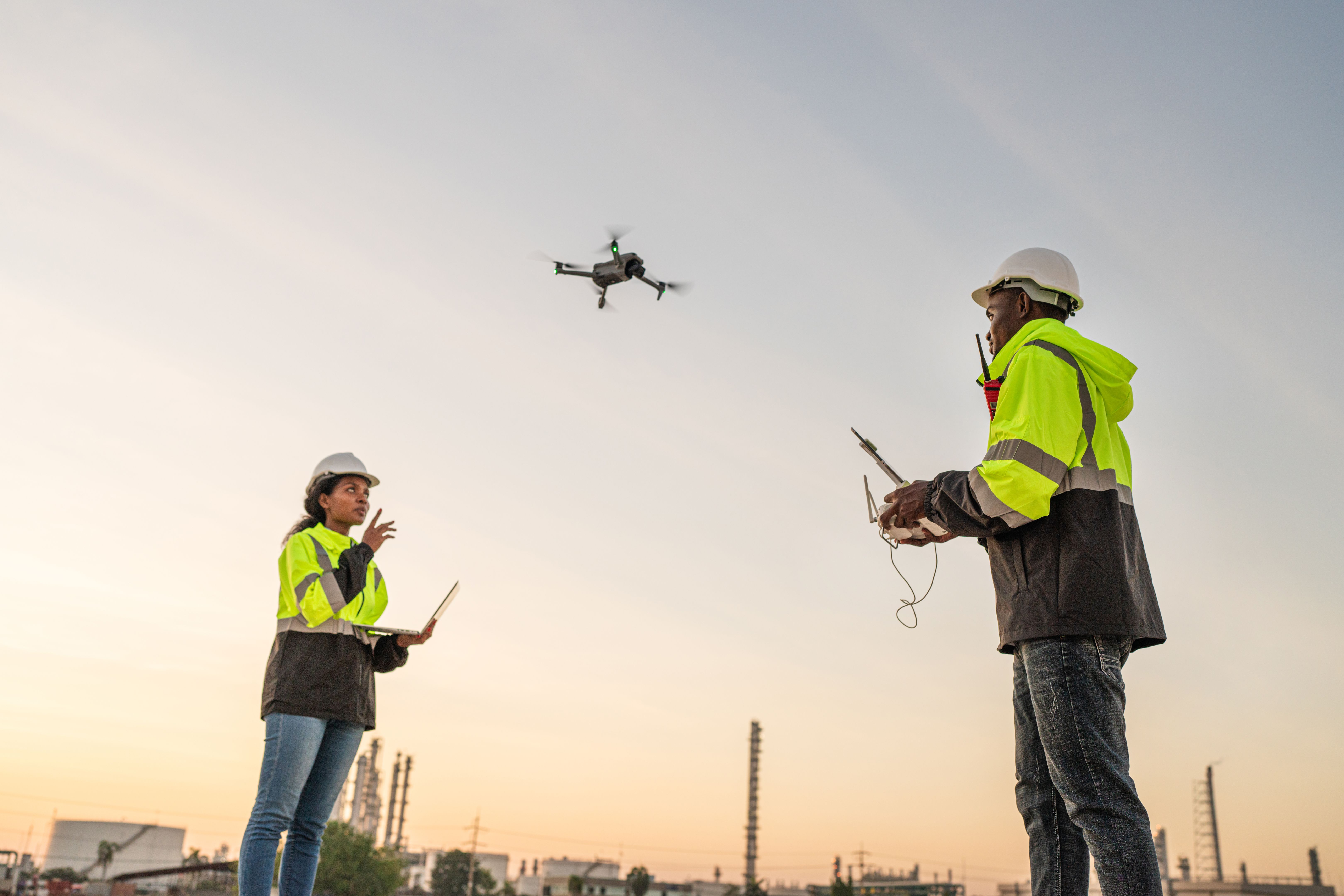
One of the most significant advantages of aerial imaging is its cost-effectiveness. Traditional survey methods often require large teams and extended periods, leading to higher expenses. In contrast, drones can be operated by a smaller crew and complete surveys in a fraction of the time.
Additionally, aerial imaging reduces the need for human intervention in sensitive habitats, minimizing the risk of disturbing wildlife. This non-intrusive approach not only saves time and resources but also ensures the integrity of natural environments.
Applications in Conservation and Management
The applications of aerial imaging in wildlife surveys are diverse and impactful. For instance, it aids in monitoring endangered species, assessing habitat conditions, and detecting illegal activities such as poaching. By providing real-time data, aerial imaging supports informed decision-making and policy development.

In the DFW area, where urban development continues to encroach on natural habitats, aerial imaging serves as a crucial tool for balancing growth with conservation. It enables authorities to plan infrastructure projects with minimal impact on local ecosystems.
The Future of Wildlife Surveys
As technology continues to evolve, the potential of aerial imaging in wildlife surveys is bound to expand. Innovations such as thermal imaging and artificial intelligence are set to enhance the capabilities of drones, providing even more detailed insights into wildlife dynamics.
In conclusion, aerial imaging is transforming wildlife surveys in the DFW area by offering improved accuracy, efficiency, and cost-effectiveness. This technology not only advances scientific research but also plays a vital role in protecting and preserving our natural world for future generations.