What Thermal Roof Inspections Can and Cannot Detect: A Guide for DFW Facility Managers


For facility managers in the Dallas-Fort Worth (DFW) area, maintaining the integrity of your building's roof is crucial. One of the most effective tools in your maintenance arsenal is thermal roof inspection. This technology leverages thermal imaging to provide insights that are not visible to the naked eye, helping to identify potential issues before they become costly problems.
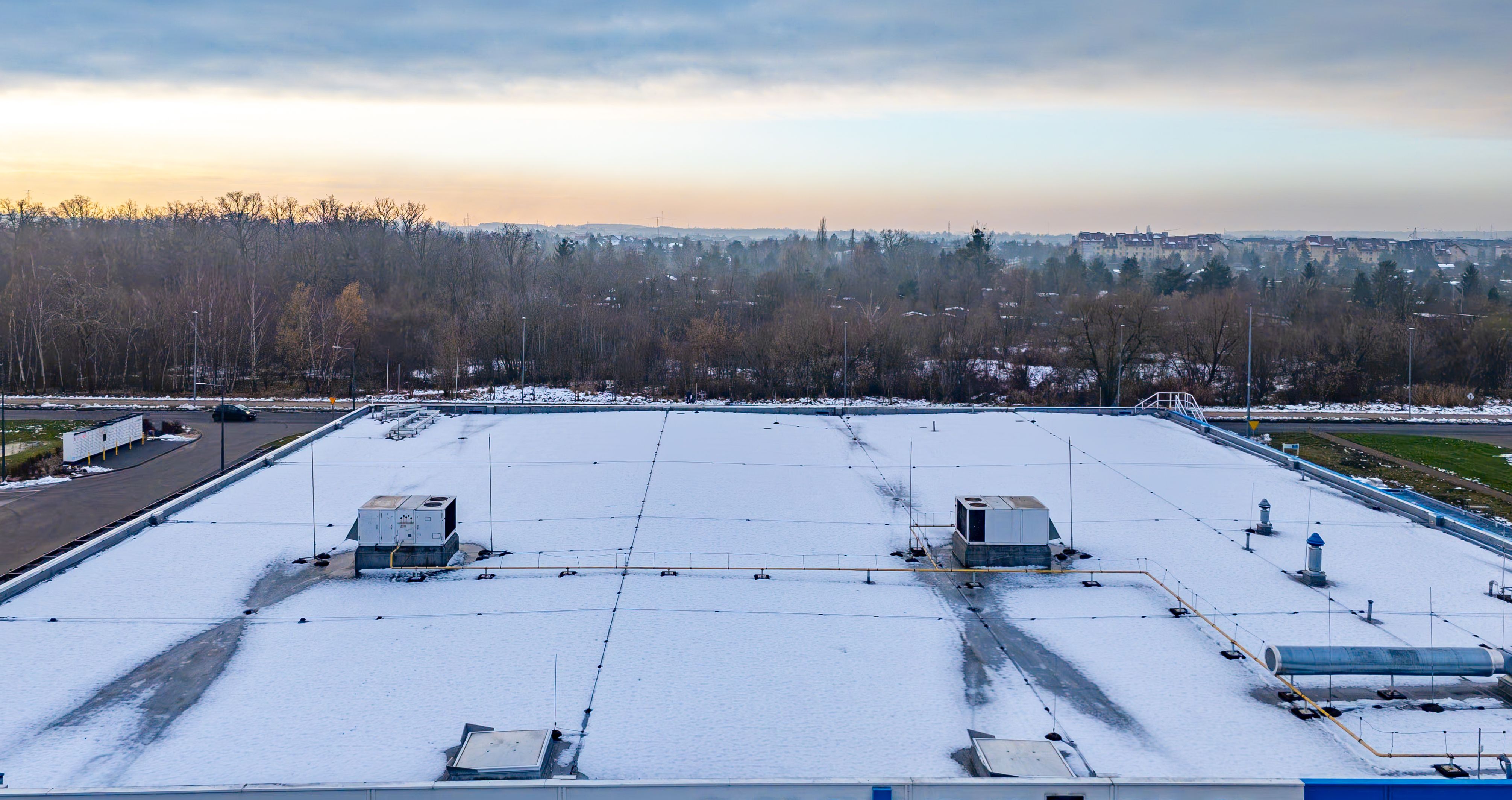
What Thermal Roof Inspections Can Detect
Moisture Intrusion
One of the primary benefits of thermal roof inspections is their ability to detect moisture intrusion. Water trapped within roofing materials can lead to significant damage over time. Thermal imaging cameras can identify wet insulation through temperature variations, allowing facility managers to address leaks before they escalate.
Insulation Deficiencies
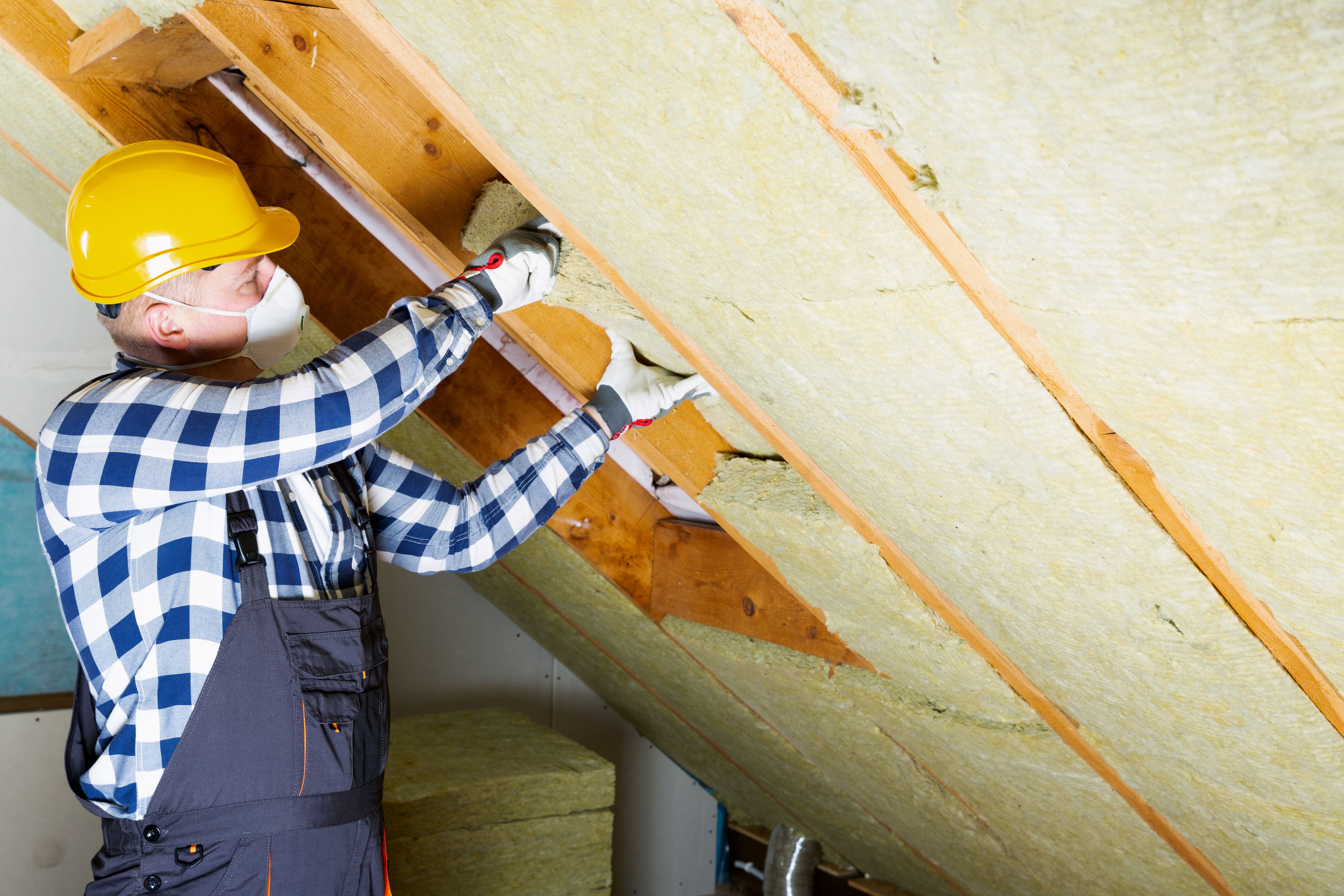
Proper insulation is vital for energy efficiency. Thermal inspections can reveal areas where insulation is lacking or damaged. By detecting temperature anomalies, facility managers can pinpoint specific areas that require attention, ultimately improving the building's energy efficiency and reducing heating and cooling costs.
Structural Damage
Thermal imaging can also help identify structural damage that might not be immediately visible. By highlighting temperature differences, it can reveal cracks, gaps, or other forms of deterioration in the roofing material. This early detection allows for timely repairs, preserving the roof’s integrity.
Limitations of Thermal Roof Inspections
Surface-Level Observations
While thermal imaging provides valuable insights, it's important to understand its limitations. This technology primarily captures surface-level temperature variations. It cannot penetrate materials, which means deeper structural issues might remain undetected until further investigation is conducted.
Weather Dependency
The accuracy of thermal roof inspections can be affected by weather conditions. Ideal inspections are conducted during clear weather with significant temperature differences between day and night. Rain, snow, or high humidity can compromise the results, making it challenging to rely solely on thermal imaging.

Need for Skilled Interpretation
Interpreting thermal images requires expertise. Incorrect analysis can lead to misdiagnosis of issues. It's essential to work with experienced professionals who understand the intricacies of thermal imaging technology and can provide accurate assessments and recommendations.
Complementary Inspection Methods
To overcome these limitations, facility managers in the DFW area should consider combining thermal inspections with other methods. Visual inspections, moisture meters, and core sampling can provide a comprehensive understanding of the roof's condition. A multi-faceted approach ensures no stone is left unturned in maintaining the roof’s health.
In conclusion, thermal roof inspections are a powerful tool for facility managers looking to maintain the integrity of their buildings. By understanding what these inspections can and cannot detect, and by employing complementary methods, you can ensure your facility remains in top condition, prolonging the lifespan of your roof and safeguarding your investment.