Unveiling Hidden Costs: The Impact of Undocumented Roof Conditions on Commercial Facilities


Understanding the Importance of Roof Inspections
For commercial facilities, the condition of the roof is crucial. It acts as the first line of defense against environmental elements. However, when roof conditions are undocumented, they can lead to unexpected costs. This can impact the overall budget and safety of the facility.
Regular inspections are vital to identify potential issues that may not be immediately visible. Ignoring these inspections can result in costly repairs down the line. A well-documented inspection report helps in planning maintenance schedules effectively.
The Consequences of Ignoring Roof Conditions
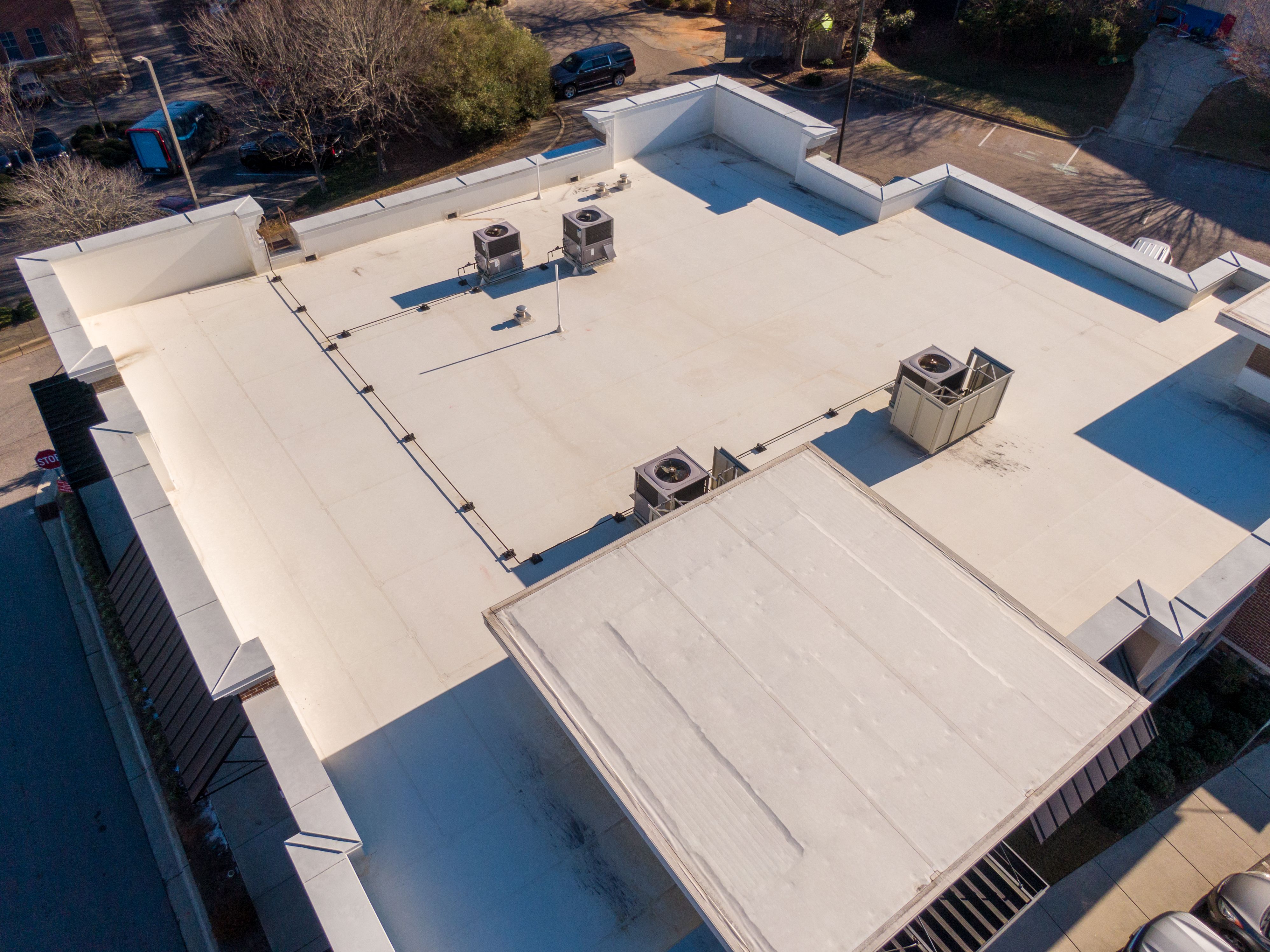
When roof conditions go undocumented, facility managers may face several challenges. These include sudden leaks, structural damage, and even interior damage that could disrupt business operations. Such issues can escalate quickly, leading to emergency repairs that are significantly more expensive than planned maintenance.
Moreover, ignoring these conditions can result in safety hazards. Loose materials or compromised structures can pose risks to employees and customers, potentially leading to liability issues.
Financial Implications
The financial impact of undocumented roof conditions can be substantial. Facility managers may encounter unexpected expenses due to emergency repairs and increased insurance premiums. Additionally, neglected roofs can decrease the value of the property, affecting potential resale or leasing opportunities.
Common Undocumented Roof Issues
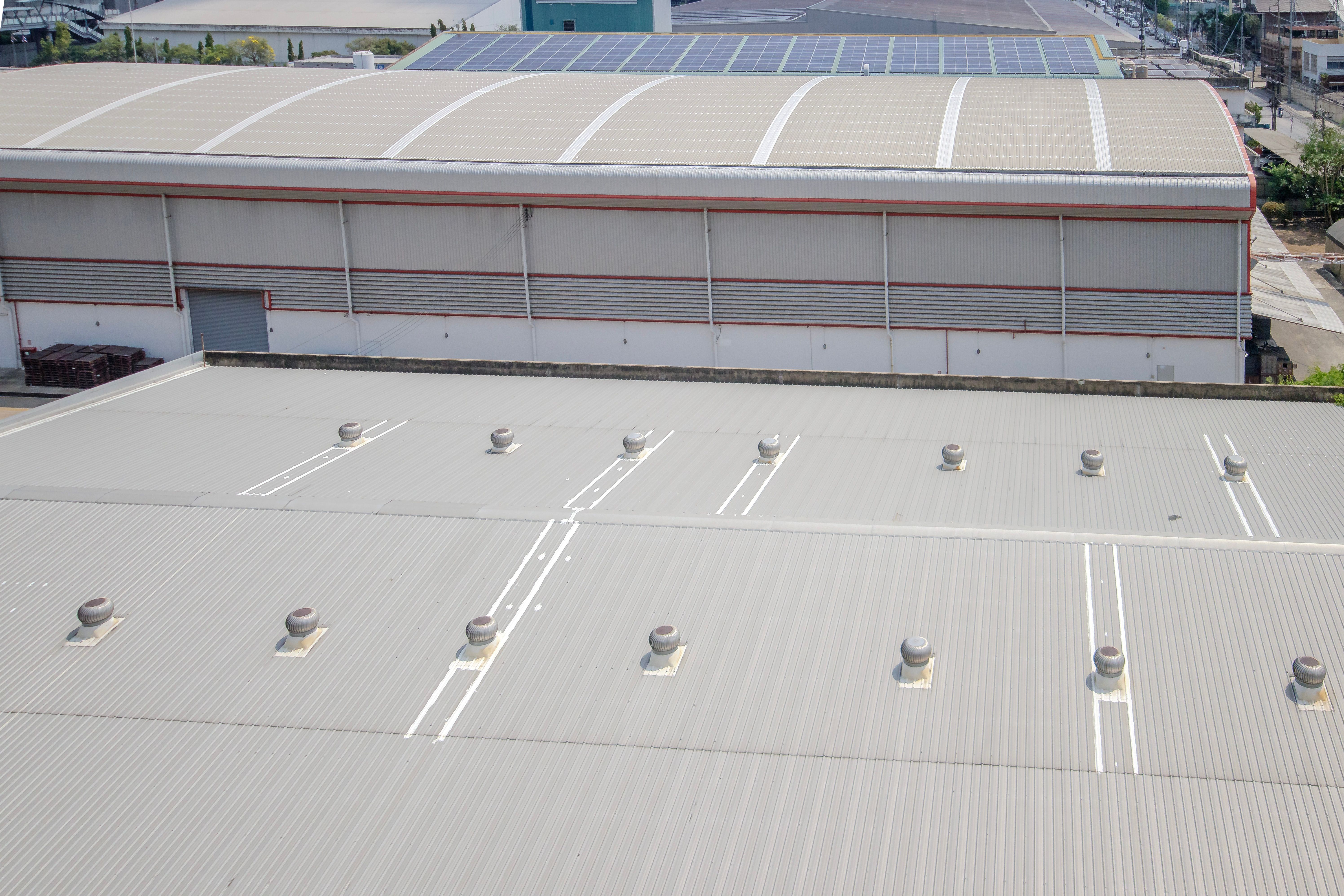
Several roof issues often go unnoticed without proper documentation. These include:
- Water pooling: Leads to leaks and structural damage.
- Flashing gaps: Allows water intrusion and promotes mold growth.
- Material deterioration: Reduces the roof's lifespan and effectiveness.
Documenting these issues allows for timely interventions, preventing further damage and reducing long-term costs.
Implementing a Proactive Approach
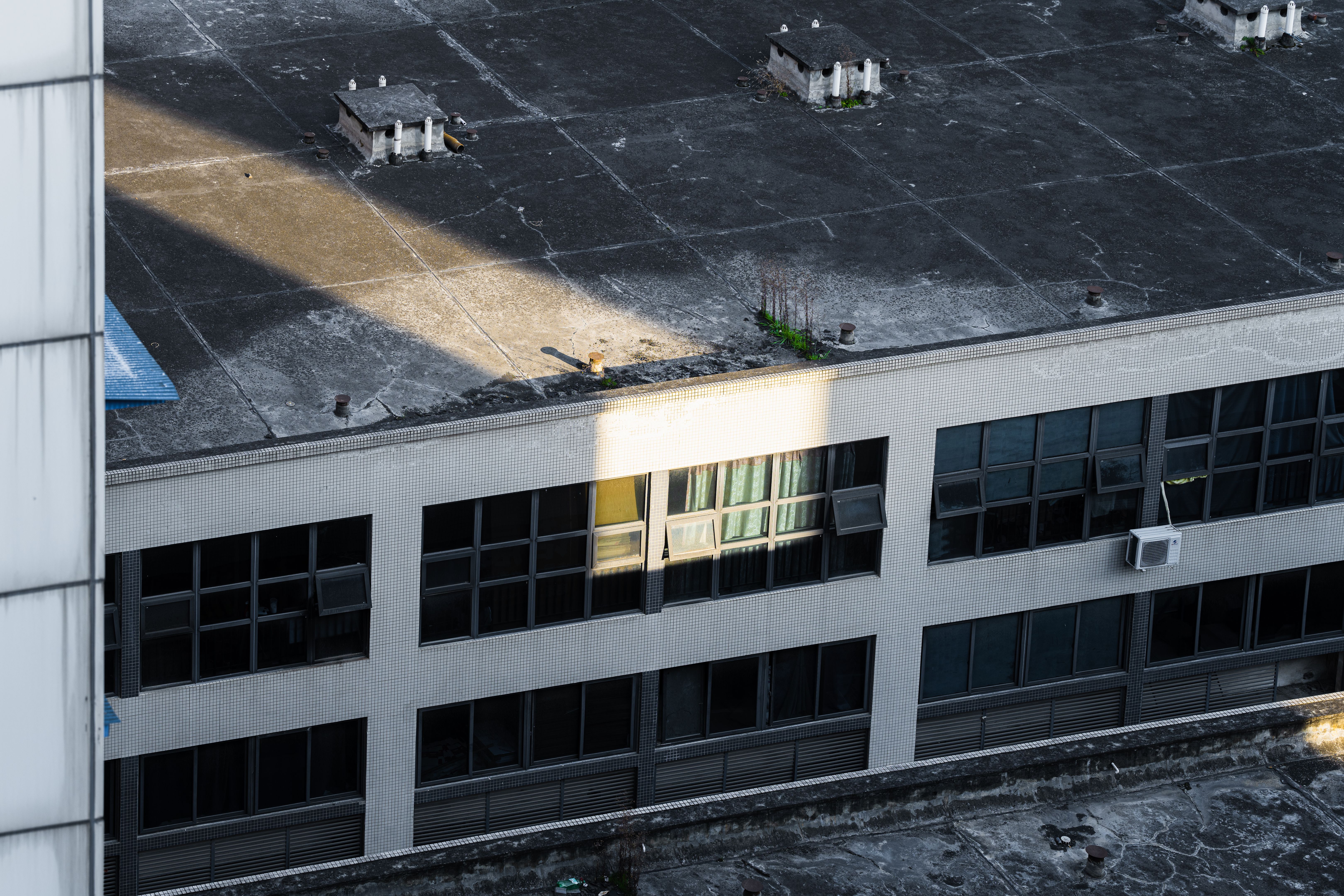
To mitigate these issues, facilities should adopt a proactive approach to roof maintenance. This includes regular inspections by qualified professionals and maintaining a detailed record of the roof’s condition. Utilizing technology, such as drones or thermal imaging, can enhance the accuracy of these inspections.
By staying ahead of potential problems, facilities can allocate resources more effectively and maintain a safe environment for all occupants.
Conclusion
Undocumented roof conditions present hidden costs that can significantly impact commercial facilities. By understanding and addressing these issues proactively, facility managers can safeguard their investments and ensure the longevity of their buildings. Regular documentation and maintenance are key to avoiding the pitfalls of unexpected repairs and ensuring a secure and efficient facility.