Understanding the Benefits of Drone Inspections for Residential Buildings

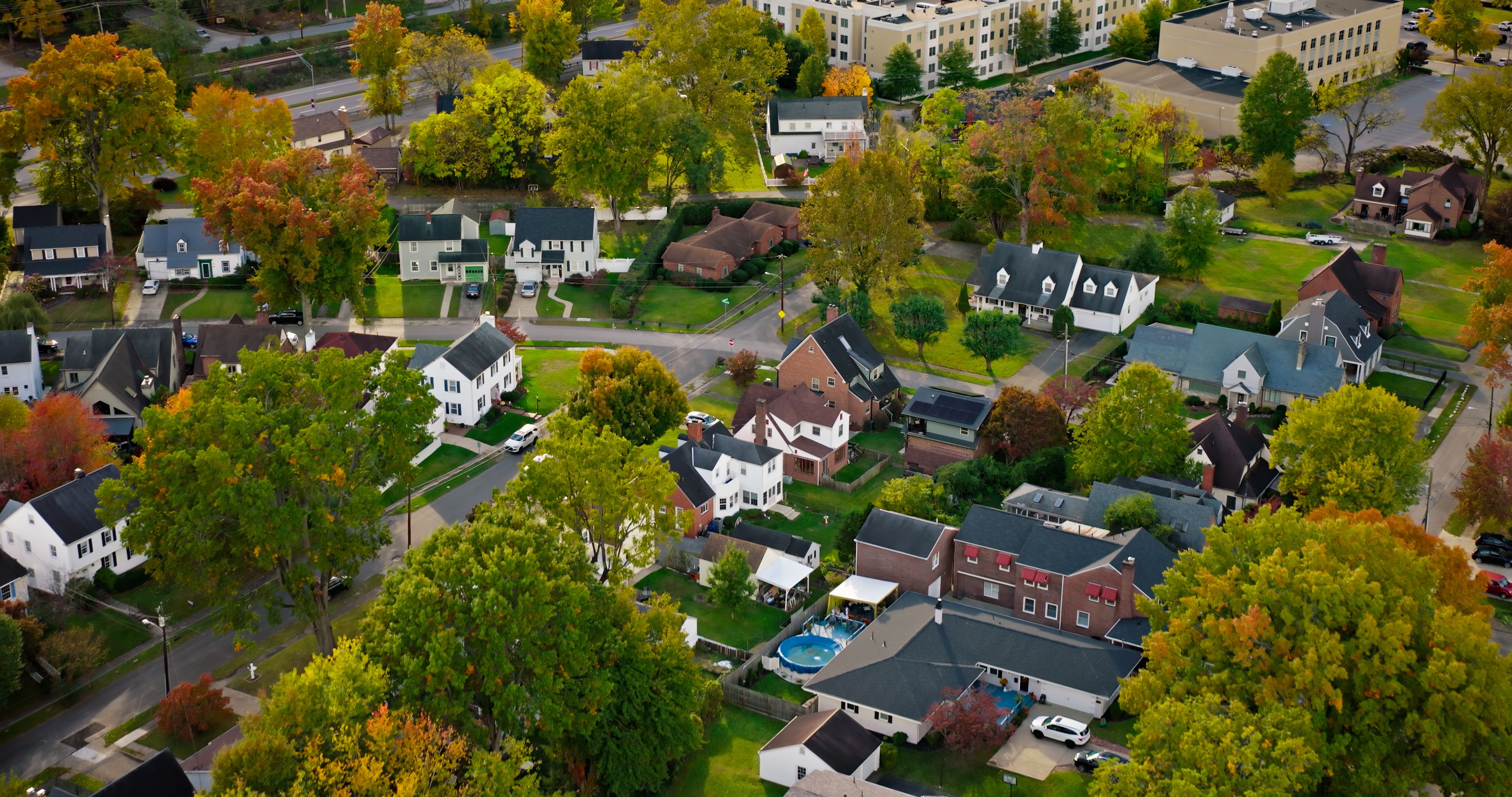
In recent years, drone technology has revolutionized various industries, and the field of residential building inspections is no exception. Homeowners and property managers are increasingly turning to drones for a safer, more efficient approach to inspecting buildings. But what exactly are the benefits of using drones for these inspections?
Enhanced Safety
One of the primary advantages of drone inspections is improved safety. Traditional inspections often involve climbing ladders or scaffolding, which can be risky. By using drones, inspectors can access difficult-to-reach areas without putting themselves in harm's way. This not only reduces the risk of accidents but also allows for inspections to occur in less-than-ideal weather conditions.
Minimizing Human Error
Drones equipped with high-definition cameras and sensors provide precise data, minimizing the chance of human error. Inspectors can analyze real-time footage and images, ensuring no detail is overlooked. This level of accuracy is particularly beneficial for identifying issues such as roof damage or structural weaknesses.

Cost-Effectiveness
Another significant benefit is cost savings. Traditional inspections can be expensive due to the need for specialized equipment and labor. Drones, on the other hand, can complete inspections quickly and efficiently, reducing the overall cost. Additionally, the ability to conduct regular inspections without incurring substantial expenses ensures ongoing property maintenance.
Time Efficiency
Drone inspections drastically reduce the time required to inspect a building. What might take days using conventional methods can often be completed in a matter of hours. This efficiency allows property managers to address potential issues promptly, preventing minor problems from becoming major repairs.

Comprehensive Data Collection
Beyond photographs, drones can be equipped with thermal imaging and other advanced sensors to gather comprehensive data. This capability is particularly useful for detecting water leaks, heat loss, or electrical issues that might not be visible to the naked eye. Such detailed insights facilitate better decision-making regarding repairs and maintenance.
Environmental Impact
Using drones also has a positive environmental impact. Traditional methods often involve the use of heavy machinery, which can damage landscapes and ecosystems. Drones are less intrusive, allowing for inspections that are both thorough and environmentally friendly.
Access to Hard-to-Reach Areas
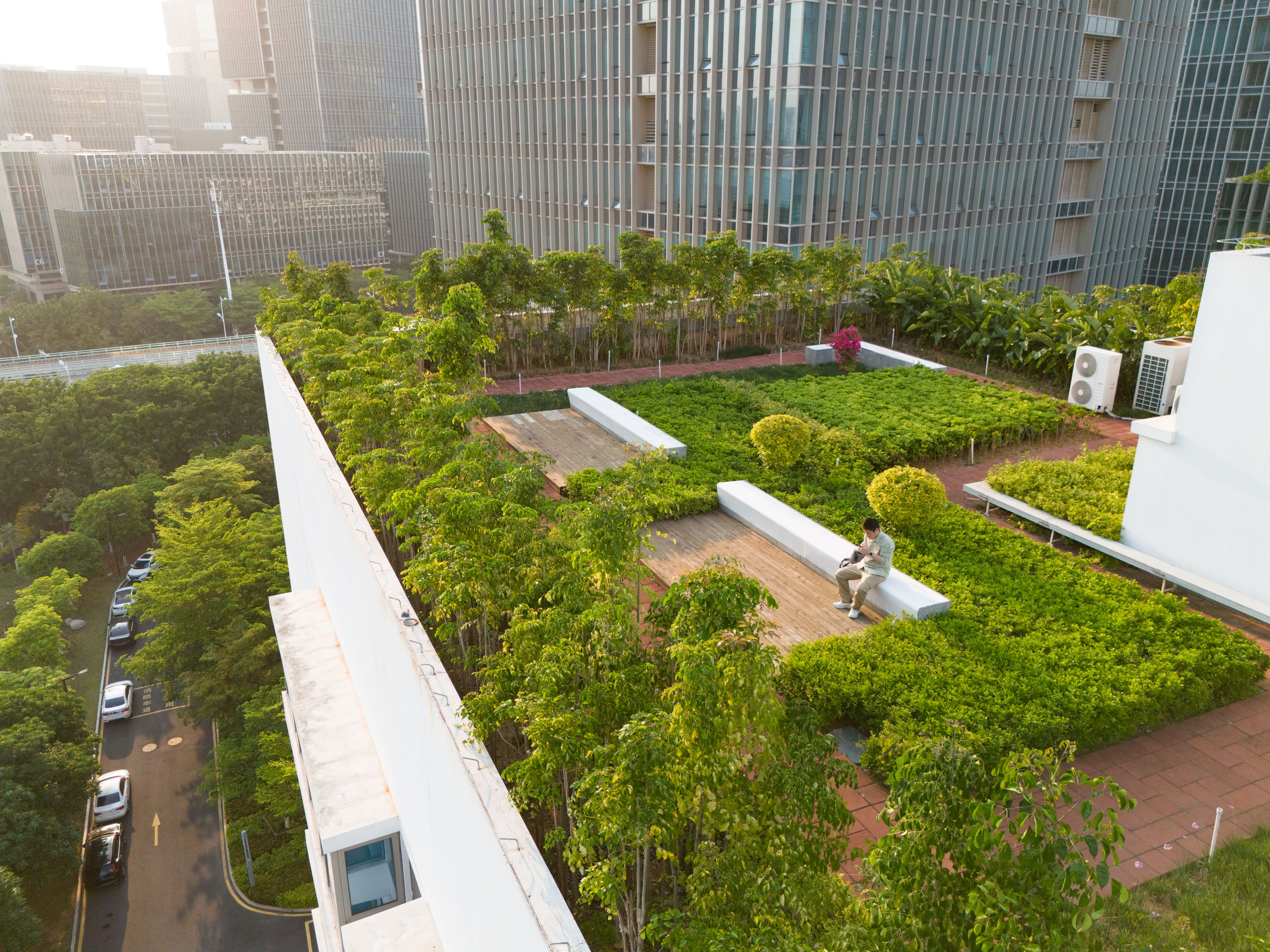
Finally, drones provide unparalleled access to areas that might be otherwise inaccessible. Whether it's a steep roof or a narrow alley, drones can navigate these spaces with ease, ensuring a comprehensive inspection. This capability means that no part of the building is left unchecked, providing peace of mind to property owners.
In conclusion, drone inspections offer a range of benefits that make them an attractive option for residential building assessments. From enhanced safety and cost savings to comprehensive data collection, drones are transforming the way inspections are conducted, ensuring better maintenance and longevity of properties.