Understanding Drainage and Ponding Risks for DFW Commercial Roofs


Commercial roofs in the Dallas-Fort Worth (DFW) area face unique challenges, particularly when it comes to drainage and ponding. Understanding these risks is crucial for maintaining the integrity and longevity of your roof. By proactively addressing these issues, businesses can prevent costly repairs and ensure a safe and efficient environment.
Why Proper Drainage Matters
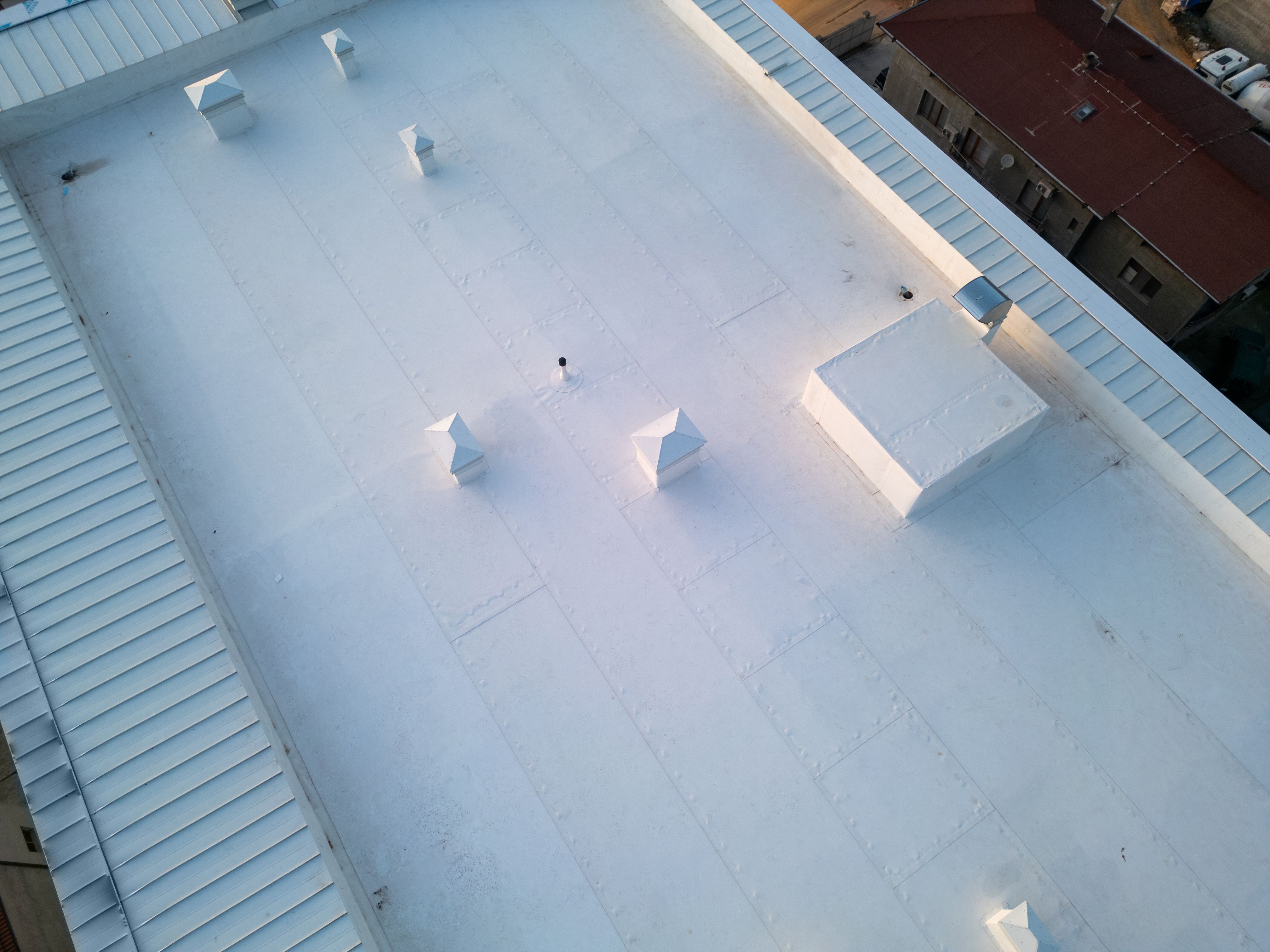
Proper drainage is essential for any commercial roof, as it helps prevent water accumulation that can lead to serious damage. When water isn't effectively channeled away, it can seep into the roofing materials, causing leaks and structural damage. This issue is particularly pertinent in DFW, where unpredictable weather patterns can lead to heavy rainfall.
Additionally, inadequate drainage can increase the load on the roof, potentially leading to sagging or even collapse in severe cases. Regular inspections and maintenance can help identify potential drainage issues before they become problematic.
Identifying Drainage Problems
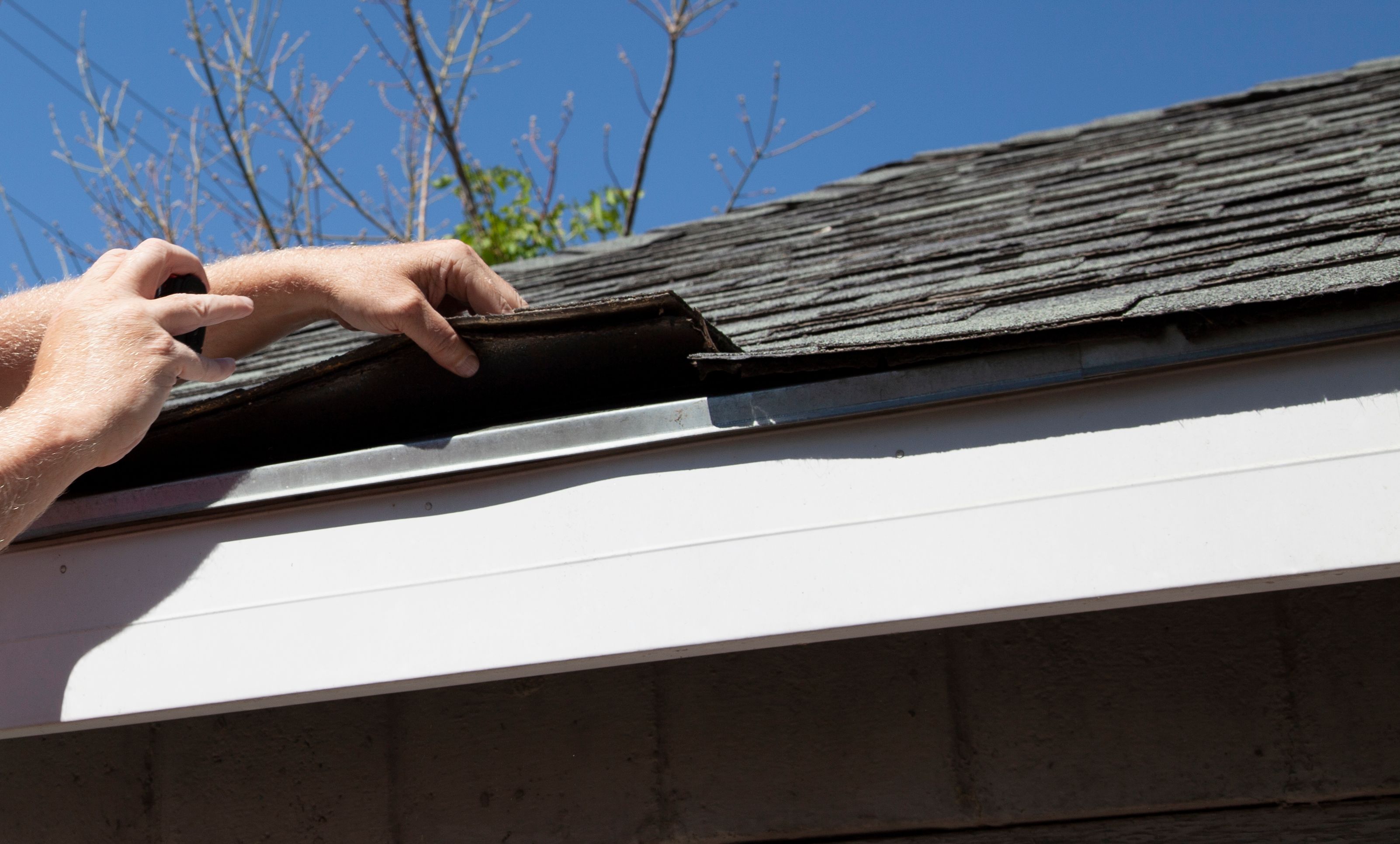
Common signs of drainage problems include water stains on ceilings, visible sagging, and pooling water after rain. It's important to conduct regular inspections, especially after heavy storms, to catch these issues early. Professional roofing services can offer more thorough evaluations and recommend appropriate solutions.
Understanding Ponding Risks
Ponding occurs when water remains on a flat roof for more than 48 hours after a rainfall. This stagnant water can lead to deterioration of roofing materials, promoting the growth of algae and mold. Over time, ponding can compromise the roof's structural integrity and lead to leaks.
In the DFW area, where temperature fluctuations are common, ponding water can cause thermal stress, exacerbating the problem. Addressing ponding quickly is crucial to preventing long-term damage.
Preventive Measures for Ponding
To mitigate ponding risks, consider the following measures:
- Ensure proper slope: A slight slope can help direct water towards drains.
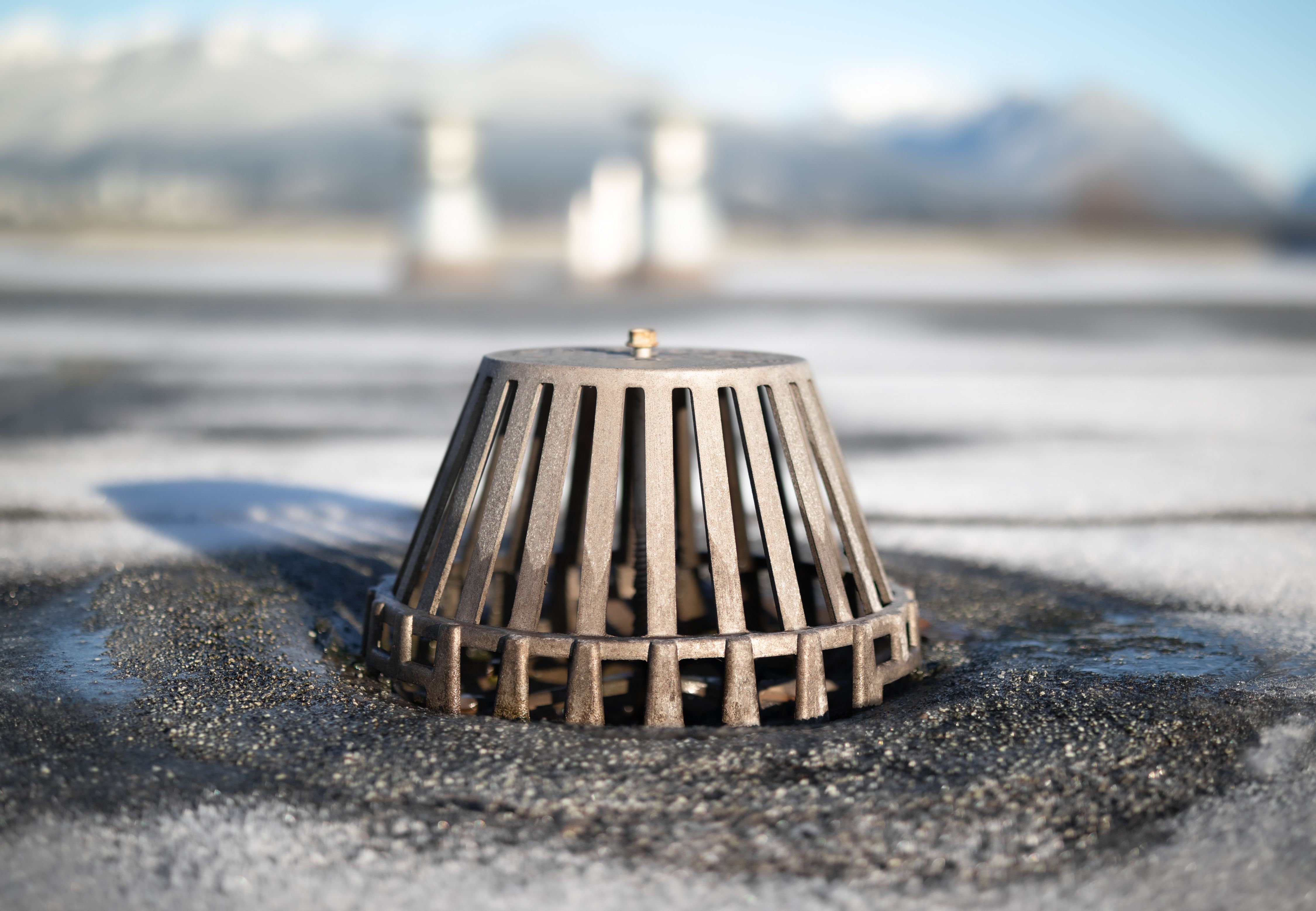
- Maintain and clear drains: Regular maintenance ensures drains are free from debris.
- Install additional drainage solutions: Scuppers and overflow drains can provide extra protection.
Conclusion
Understanding the risks associated with drainage and ponding on commercial roofs is vital for businesses in the DFW area. By taking proactive measures, such as regular inspections and maintenance, businesses can safeguard their investments and ensure their roofs remain in optimal condition. Investing in professional roofing services can provide peace of mind and long-term savings.