Top Myths About Thermal Imaging in Structural Inspections Debunked

Understanding Thermal Imaging in Structural Inspections
Thermal imaging has become a vital tool in structural inspections, offering a non-invasive way to assess the condition of buildings. Yet, despite its usefulness, several myths surround its application. In this post, we aim to debunk these misconceptions and provide clarity on how thermal imaging truly works.
Myth 1: Thermal Imaging Sees Through Walls
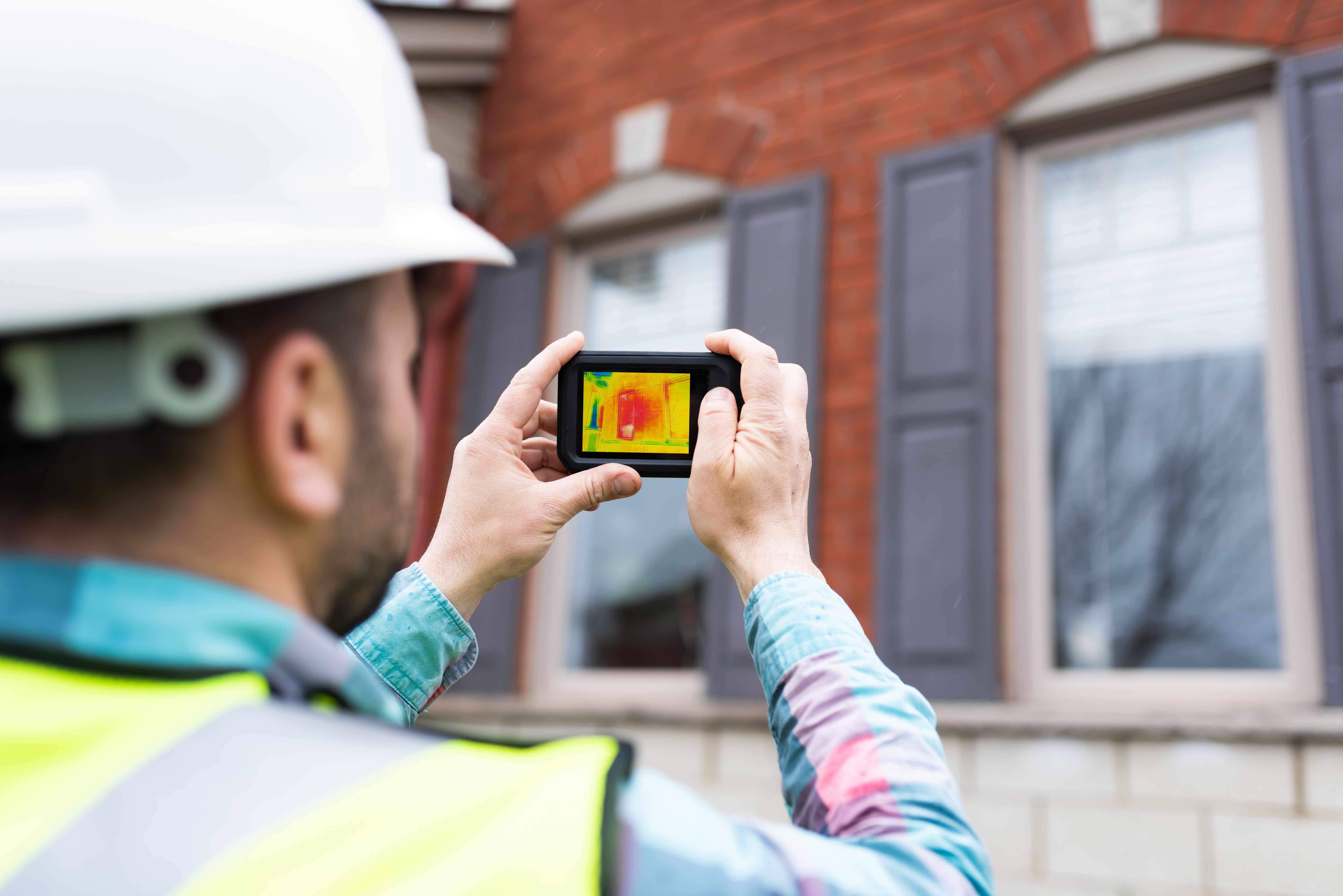
A common myth about thermal imaging is that it can see through walls. This is simply not true. Thermal cameras detect surface temperatures and highlight variations, which can indicate issues like poor insulation or hidden moisture. However, they cannot penetrate solid structures or "see" through walls.
What thermal imaging does offer is a surface-level view that can suggest underlying problems. For instance, it can reveal temperature differences that suggest moisture intrusion or air leaks, prompting further investigation.
Myth 2: Thermal Imaging Replaces Traditional Inspections
Another misunderstanding is that thermal imaging can replace traditional inspection methods. While thermal cameras are powerful tools, they are not a substitute for a comprehensive inspection. Instead, they complement other techniques by providing additional data that might not be visible to the naked eye.
Trained inspectors use thermal imaging as part of a broader assessment strategy, combining visual inspections with thermal data to form a complete picture of the building's condition.
Myth 3: Any Temperature Variation Indicates a Problem
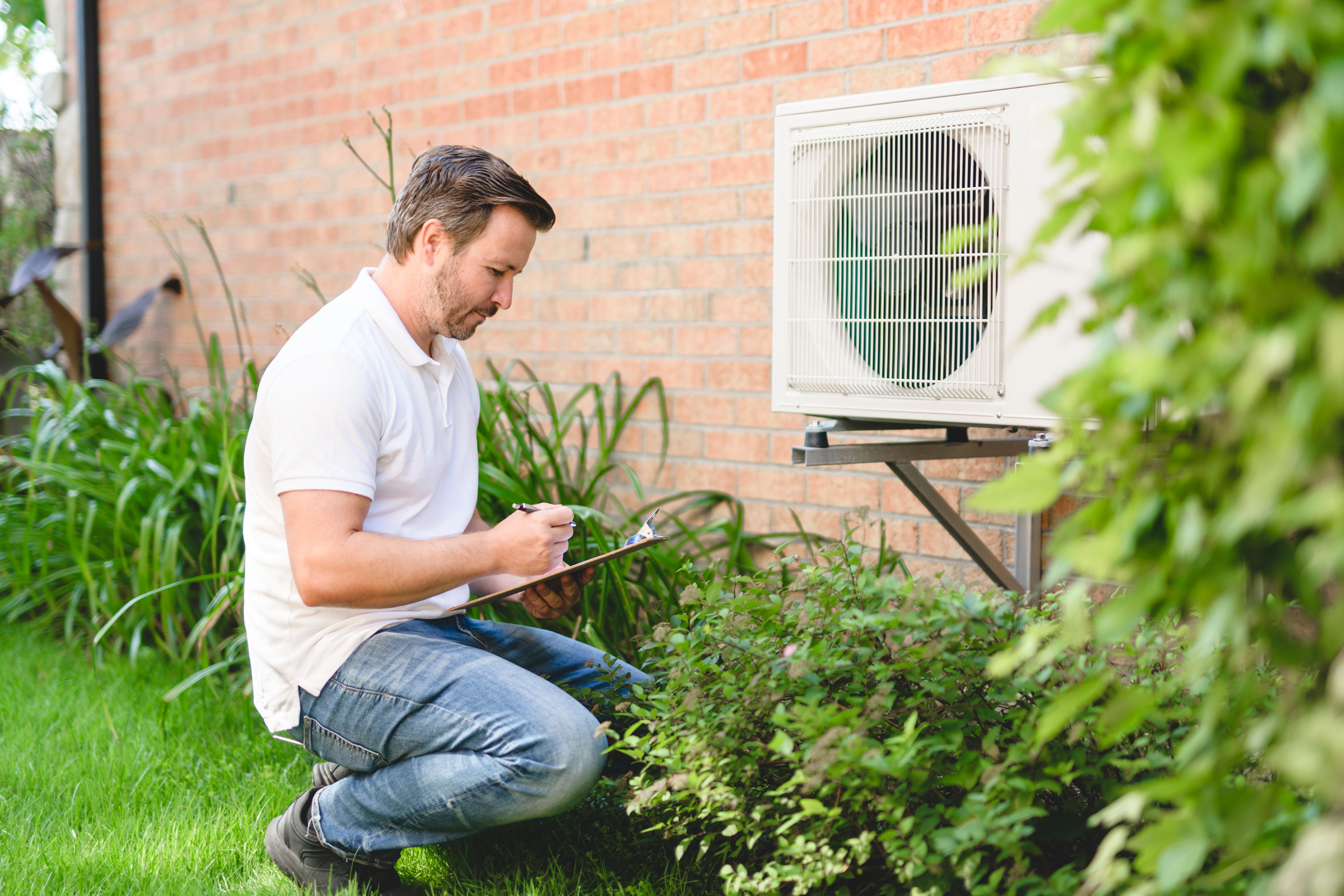
It's easy to assume that any detected temperature variation is indicative of a problem. In reality, not all variations are cause for concern. Factors such as sunlight, wind, and even electrical appliances can affect surface temperatures without indicating structural issues.
Proper interpretation of thermal images requires expertise. Skilled inspectors differentiate between benign temperature changes and those warranting further investigation.
Myth 4: All Thermal Cameras Are the Same
Not all thermal cameras are created equal. There are significant differences in resolution, sensitivity, and functionality among models. High-quality cameras provide more detailed images, which can be crucial for accurate diagnosis.
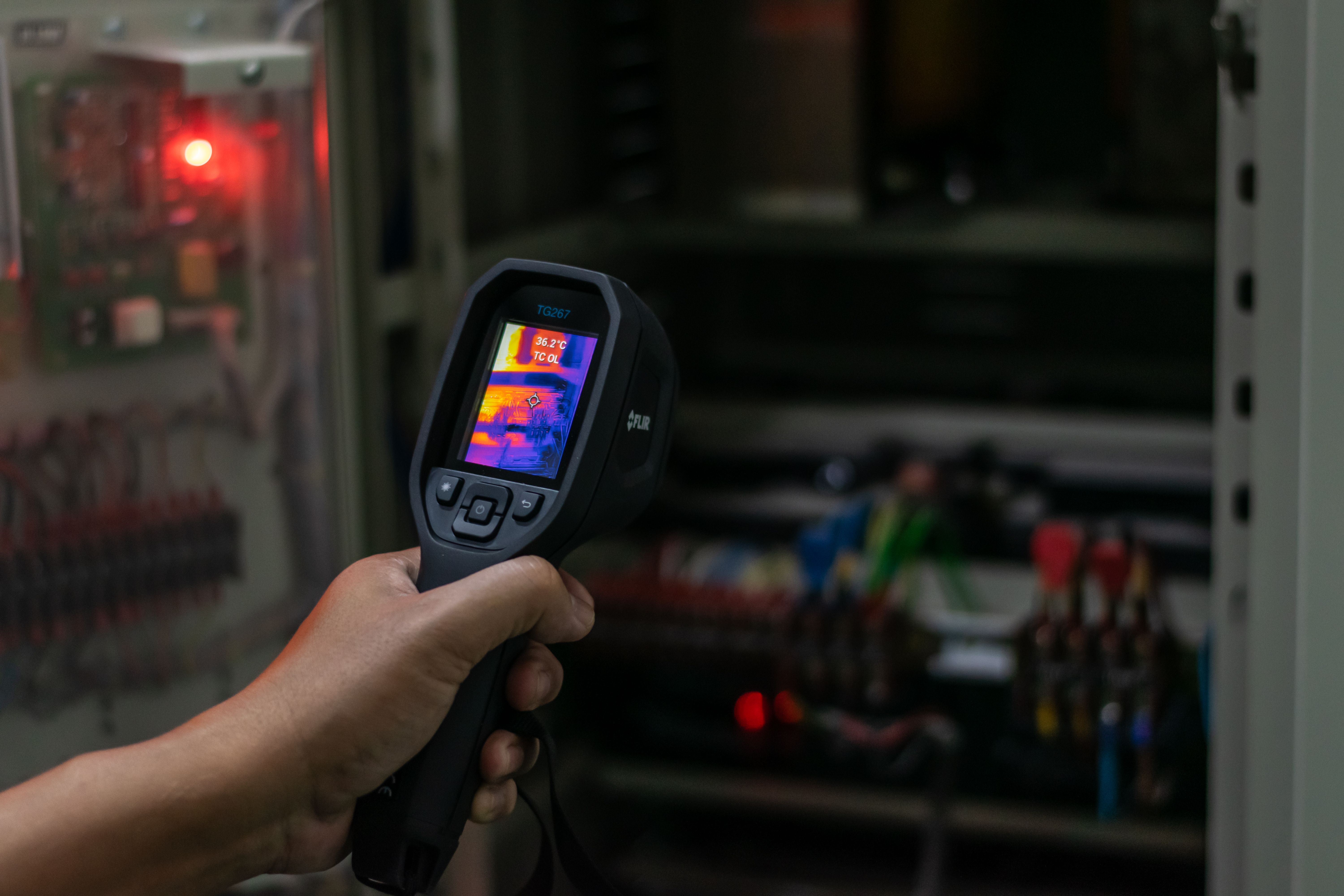
Professionals choose equipment based on the specific needs of each inspection. They consider factors such as the size of the area being inspected and the level of detail required to ensure precise results.
Conclusion: Embracing Thermal Imaging with Clarity
By debunking these myths, we can better appreciate the role of thermal imaging in structural inspections. This technology serves as an invaluable tool when used correctly and understood in the context of a comprehensive inspection process.
For property owners and inspectors alike, recognizing the capabilities and limitations of thermal imaging leads to more informed decisions and ultimately, safer and more reliable structures.