Top Benefits of Using Drones for Bridge Inspections


Revolutionizing Bridge Inspections with Drones
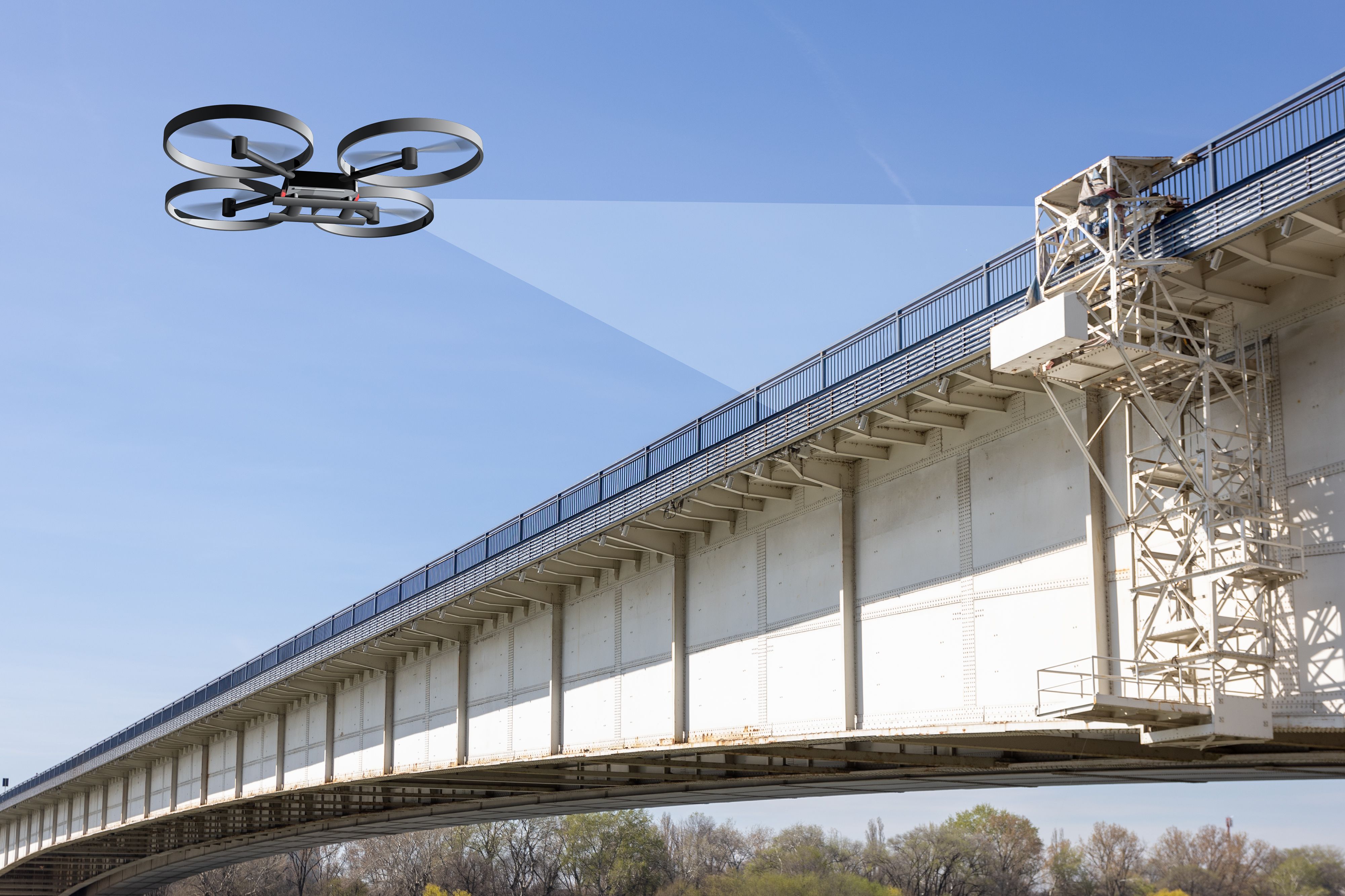
The advent of drone technology has significantly transformed various industries, and the field of bridge inspections is no exception. Traditionally, inspecting bridges was a labor-intensive and time-consuming task, often requiring road closures and endangering personnel. However, the integration of drones into this process has introduced a host of benefits that not only improve efficiency but also enhance safety and accuracy.
Enhanced Safety for Inspectors
One of the primary benefits of using drones for bridge inspections is the enhanced safety they provide. Drones can access hard-to-reach areas without the need for inspectors to physically climb or use scaffolding. This reduces the risk of accidents and injuries associated with manual inspections. By keeping personnel out of harm's way, drones significantly minimize the hazards that inspectors face daily.
Additionally, drones can operate in various weather conditions, further ensuring that inspections can be conducted safely and promptly. This flexibility allows for more frequent inspections, which can identify potential structural issues before they become critical.

Improved Efficiency and Cost-Effectiveness
Drones dramatically improve the efficiency of bridge inspections. Traditional methods often require extensive preparations, such as setting up equipment and securing work areas. In contrast, drones can be deployed quickly with minimal setup time, allowing inspections to begin almost immediately.
This increased efficiency translates into cost savings. With fewer resources needed for setup and execution, the overall cost of inspections is reduced. Moreover, because drones can complete inspections faster, there is less disruption to traffic flow and fewer road closures, further lowering associated costs.
Unmatched Data Collection and Analysis
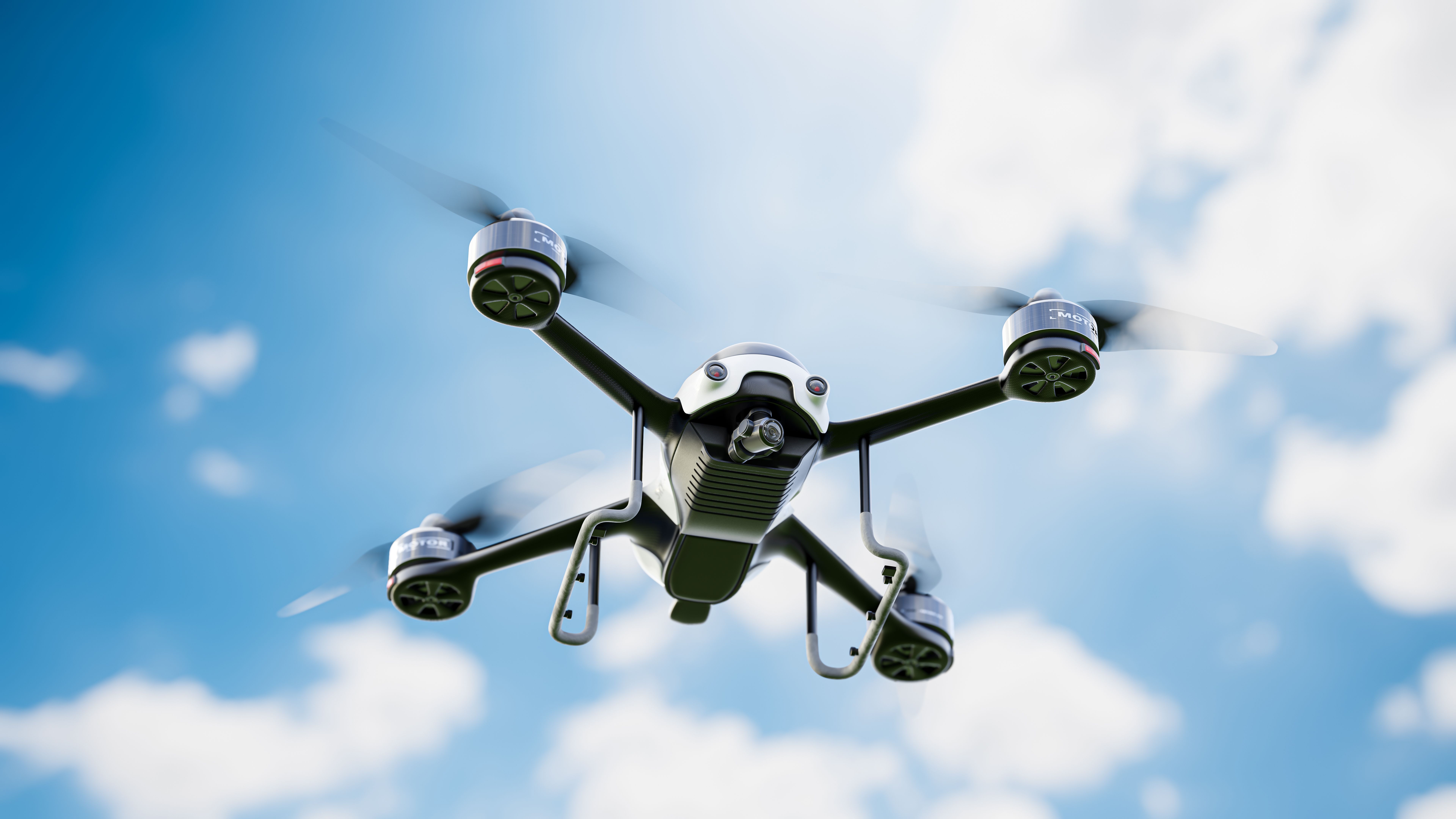
Drones are equipped with high-resolution cameras and sensors that capture detailed images and data from various angles. This capability allows for comprehensive assessments of a bridge's condition. The data collected can be used to create 3D models, providing a more accurate analysis than traditional methods.
The use of drones also facilitates the integration of advanced technologies such as AI and machine learning. These technologies can analyze the data collected by drones to identify patterns or anomalies, assisting engineers in making informed decisions about maintenance and repairs.
Environmental Benefits
Utilizing drones for bridge inspections also offers environmental advantages. Traditional inspection methods often rely on large vehicles and machinery that contribute to emissions and environmental degradation. Drones, on the other hand, are much more environmentally friendly as they require less fuel and produce negligible emissions.
This reduction in environmental impact is particularly important as industries strive to adopt more sustainable practices. By opting for drone-based inspections, companies can reduce their carbon footprint while still maintaining high standards of structural integrity.

The Future of Bridge Inspections
As technology continues to advance, the role of drones in bridge inspections is expected to grow even further. Future innovations may include even more sophisticated sensors, enhanced automation capabilities, and improved integration with other technologies such as augmented reality.
The continued development and adoption of drone technology will likely lead to safer, more efficient, and environmentally friendly bridge inspections. By embracing this cutting-edge technology, industries can ensure that infrastructure remains safe and reliable while reducing costs and minimizing their environmental impact.