Top 5 Benefits of Using Drones for Bridge Inspections


Introduction to Drone Technology in Bridge Inspections
Bridge inspections are crucial for maintaining the safety and integrity of infrastructure. Traditional methods can be time-consuming and costly. Enter drones, an innovative solution that is transforming the way inspections are conducted. Drones offer a range of benefits that make them an attractive option for this vital task.
Benefit 1: Enhanced Safety
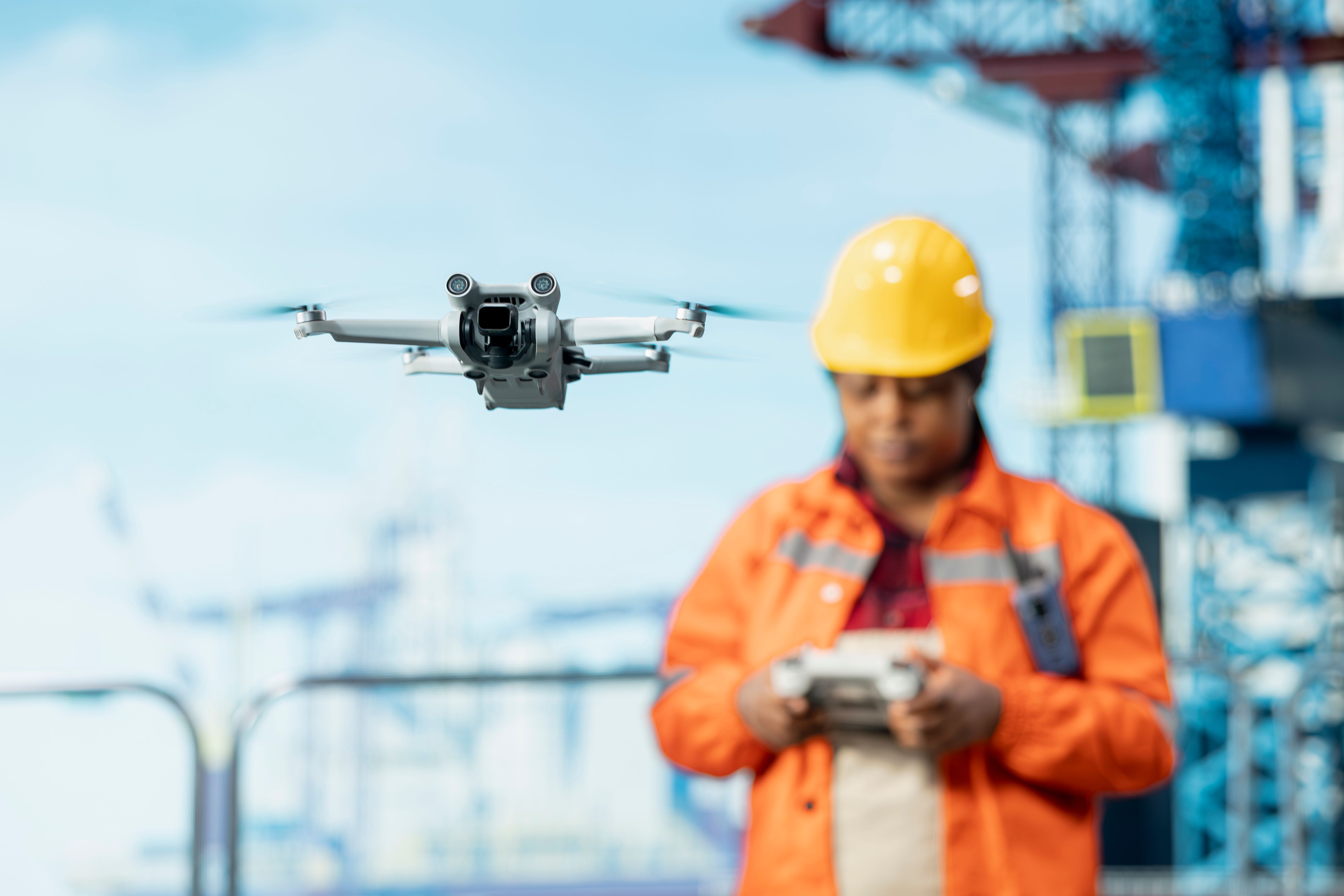
One of the most significant advantages of using drones for bridge inspections is enhanced safety. Drones eliminate the need for inspectors to physically access hard-to-reach areas, reducing the risk of accidents and injuries. Inspectors can operate drones from a safe distance, obtaining detailed visual data without putting themselves in harm's way.
Benefit 2: Cost-Effectiveness
Traditional bridge inspections often require special equipment and significant manpower, leading to high costs. Drones, on the other hand, provide a cost-effective alternative. They require fewer resources and can cover large areas quickly, reducing overall inspection expenses.

Reduced Equipment Needs
By using drones, the need for heavy machinery, scaffolding, and other expensive equipment is minimized. This reduction not only cuts costs but also simplifies the logistics involved in setting up inspections.
Benefit 3: Time Efficiency
Drones can significantly decrease the time required to complete bridge inspections. Traditional methods may take days or even weeks, while drones can accomplish the task in a fraction of the time. This efficiency allows for more frequent inspections, ensuring that potential issues are identified and addressed promptly.

Benefit 4: High-Quality Data Collection
Drones are equipped with advanced cameras and sensors that capture high-resolution images and data. This technology enables inspectors to identify minute details and potential problems that might be missed with the naked eye. The data collected can be analyzed and stored for future reference, providing a comprehensive overview of the bridge's condition.
Advanced Imaging Capabilities
With features such as thermal imaging and 3D mapping, drones offer detailed insights into the structural integrity of bridges. These capabilities allow for more accurate assessments and informed decision-making regarding maintenance and repairs.
Benefit 5: Minimal Disruption to Traffic
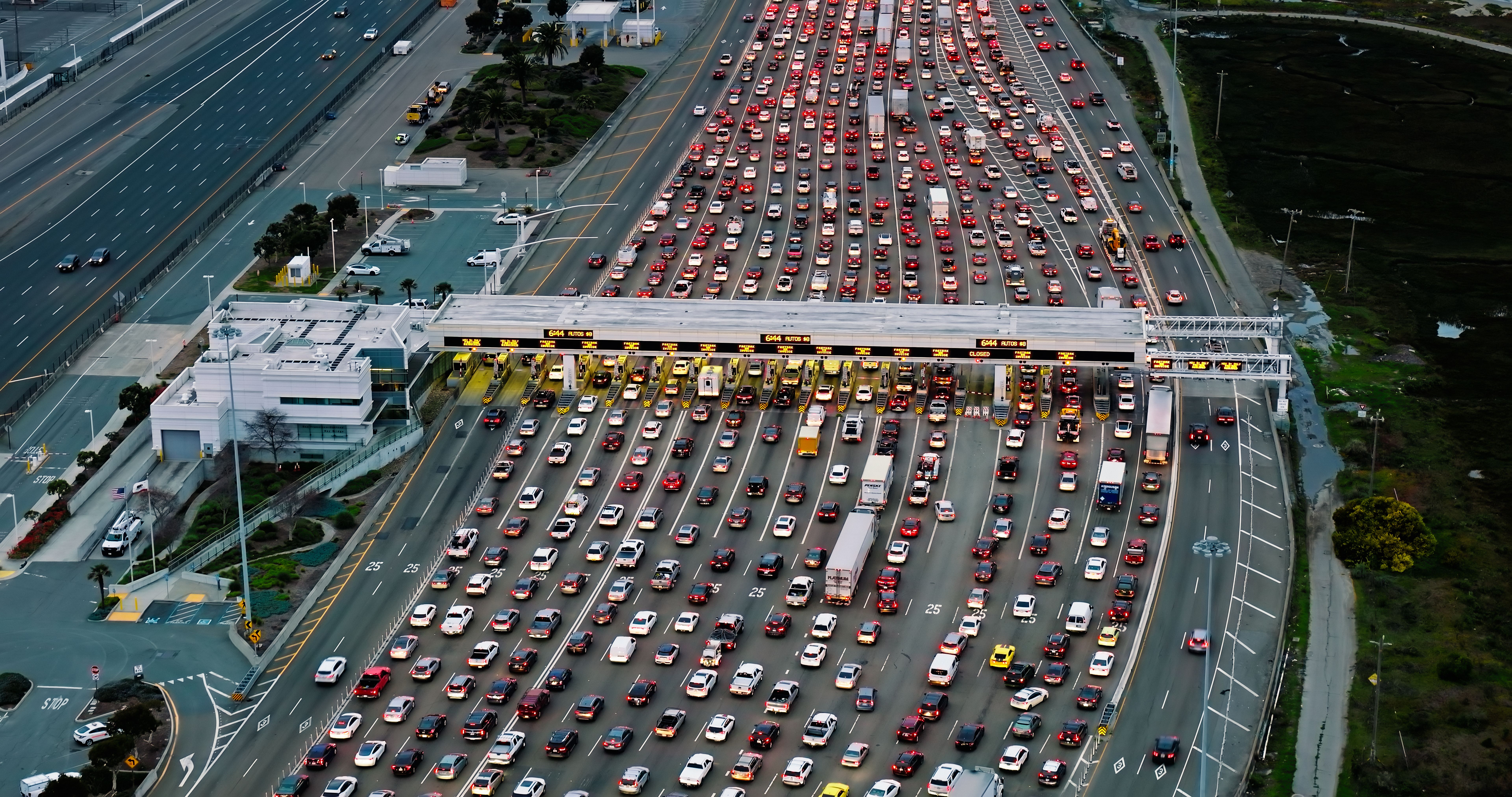
Traditional inspections often require lane closures and traffic disruptions, causing inconvenience for commuters. Drones can perform inspections without affecting the flow of traffic, leading to minimal disruption and ensuring that daily activities continue smoothly.
Conclusion
The use of drones in bridge inspections is revolutionizing the field by providing a safer, more efficient, and cost-effective solution. As technology continues to advance, the role of drones in infrastructure management is likely to expand, offering even greater benefits in the future. Embracing this innovation can lead to improved safety and longevity of our vital transportation networks.