The Ultimate Guide to Thermal Roof Inspections for Insurance Claims


When it comes to filing insurance claims for roof damage, a thermal roof inspection can be a game changer. This advanced technology uses infrared cameras to detect issues that might be invisible to the naked eye, ensuring a comprehensive evaluation. Whether you're a homeowner or an insurance adjuster, understanding the nuances of thermal roof inspections is crucial for efficient claims processing.
Why Choose Thermal Roof Inspections?
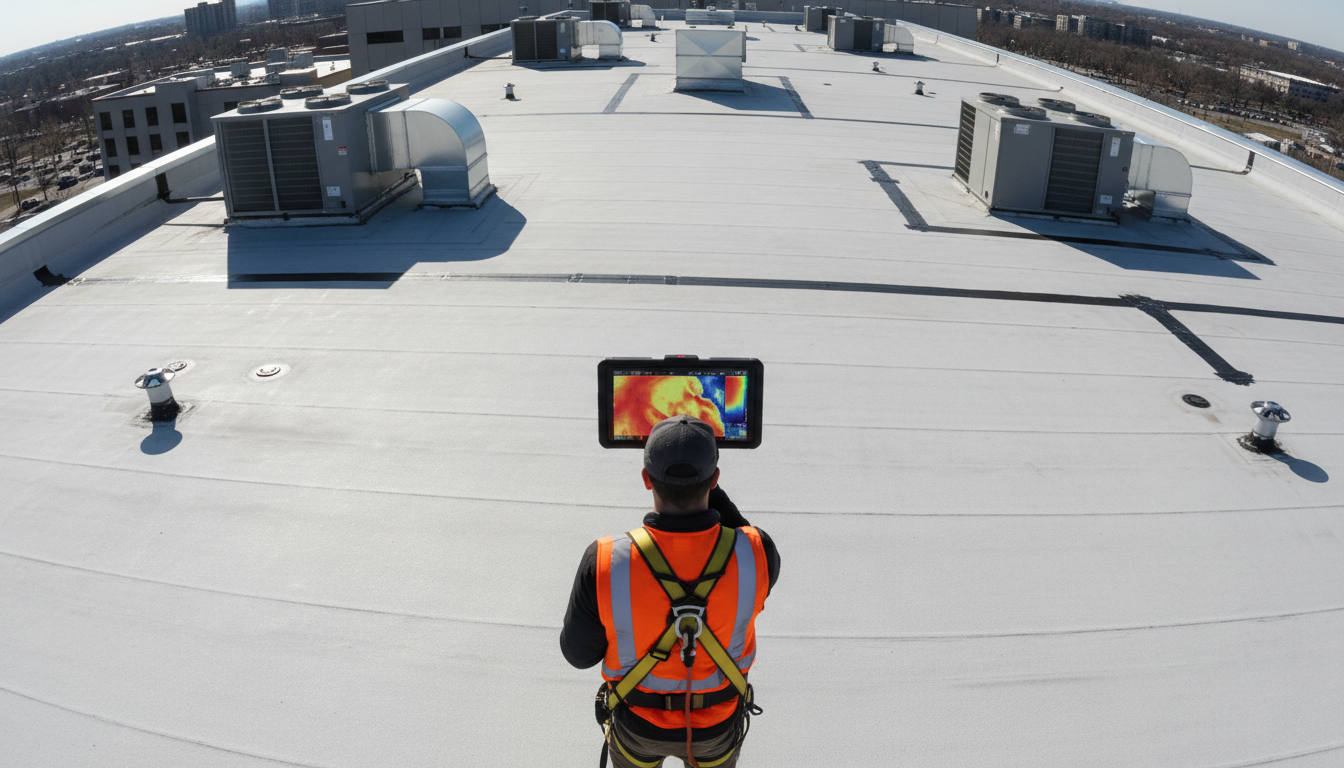
Thermal roof inspections provide a non-invasive way to diagnose roof damage. By identifying temperature variations, these inspections can pinpoint areas where moisture has infiltrated, leading to potential leaks and structural issues. This precision not only aids in accurate damage assessment but also helps in preventing future problems.
Insurance companies often prefer thermal inspections because they offer a detailed view of the roof's condition without the need for destructive testing. This method can save both time and money during the claims process, making it a preferred choice for insurers and policyholders alike.
The Technology Behind Thermal Inspections
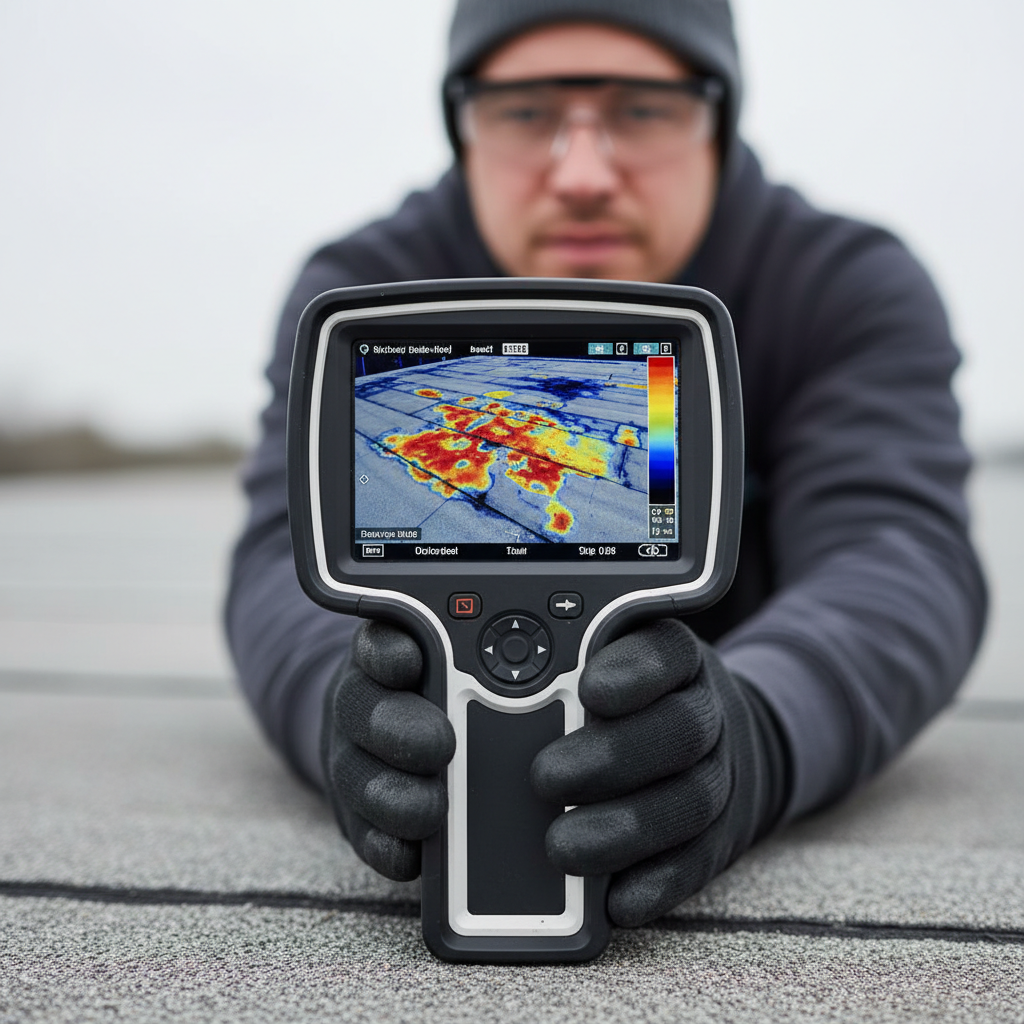
Infrared cameras capture the heat emitted from the roof surface, highlighting temperature differences. These discrepancies can indicate wet insulation, trapped moisture, or other issues that might compromise the roof's integrity. The resulting thermal images provide a visual map of potential problem areas.
Steps in a Thermal Roof Inspection
- Preparation: The roof should be dry and free of debris for an accurate reading.
- Inspection: A certified professional uses an infrared camera to scan the roof.
- Analysis: The captured images are analyzed to detect anomalies.
- Report: A detailed report is generated, highlighting areas of concern.
Each step is crucial in ensuring a thorough inspection, leading to a reliable assessment for insurance claims.
Common Issues Detected
Thermal inspections can uncover a wide range of issues, including:
- Water leaks
- Insulation gaps
- Roof membrane damage
- Structural weaknesses
Benefits for Insurance Claims
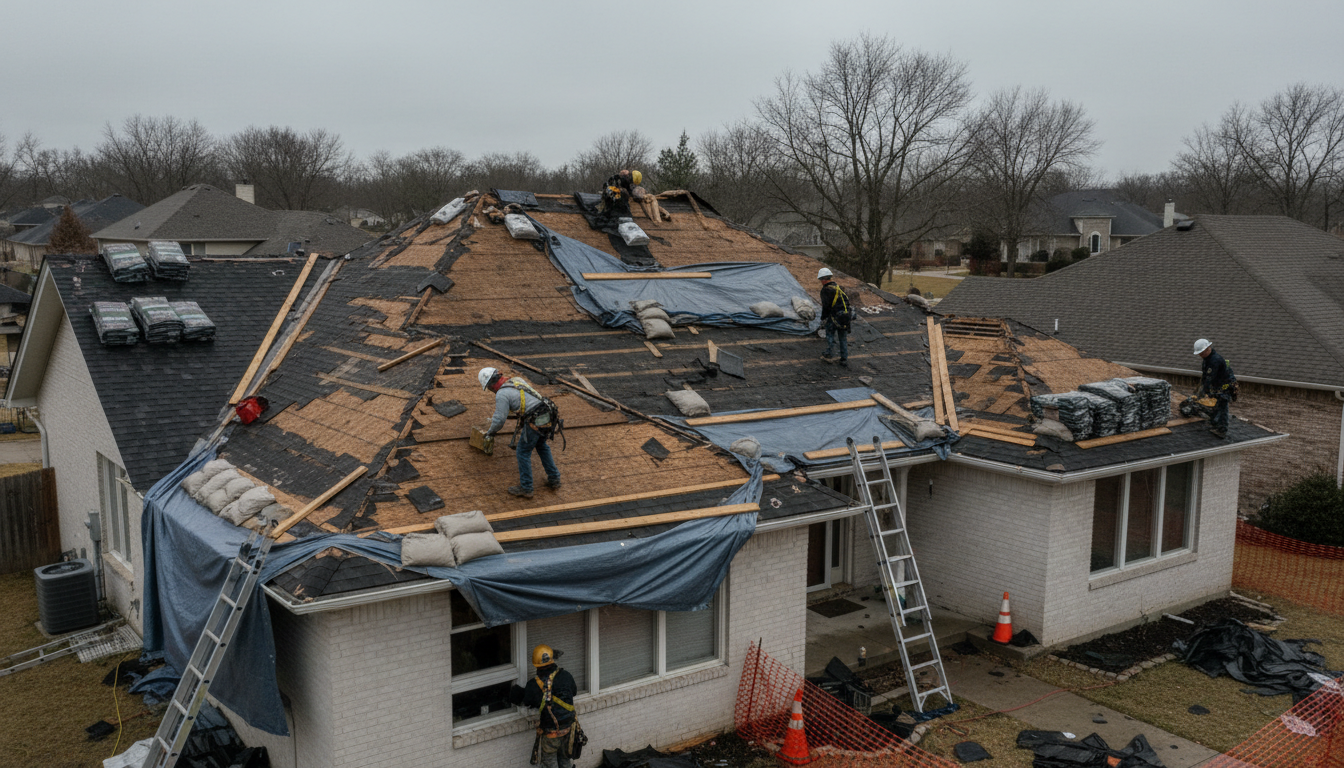
For insurance claims, thermal roof inspections offer several benefits. They provide undeniable proof of damage, which can streamline the approval process. The detailed reports generated from these inspections can serve as critical documentation, reducing disputes and facilitating smoother claims settlements.
Moreover, these inspections help in forecasting potential future damage, allowing insurers to make informed decisions about coverage and risk assessment.
Choosing the Right Professional
To ensure an accurate inspection, it is essential to hire a certified professional with experience in thermal imaging. Look for inspectors who are well-versed in interpreting thermal data and have a proven track record with insurance claims.
By investing in a professional thermal roof inspection, you can maximize your insurance claim's effectiveness, ensuring that all damage is accounted for and appropriately addressed.