The Importance of Heat Loss Scans for Your Home


Understanding Heat Loss in Your Home
As homeowners, we often focus on aesthetics and comfort, but energy efficiency is just as crucial. One significant aspect of energy efficiency is understanding and mitigating heat loss. This process not only ensures a comfortable living environment but also reduces energy bills. A heat loss scan is an effective tool to identify areas where your home may be losing heat.
What is a Heat Loss Scan?
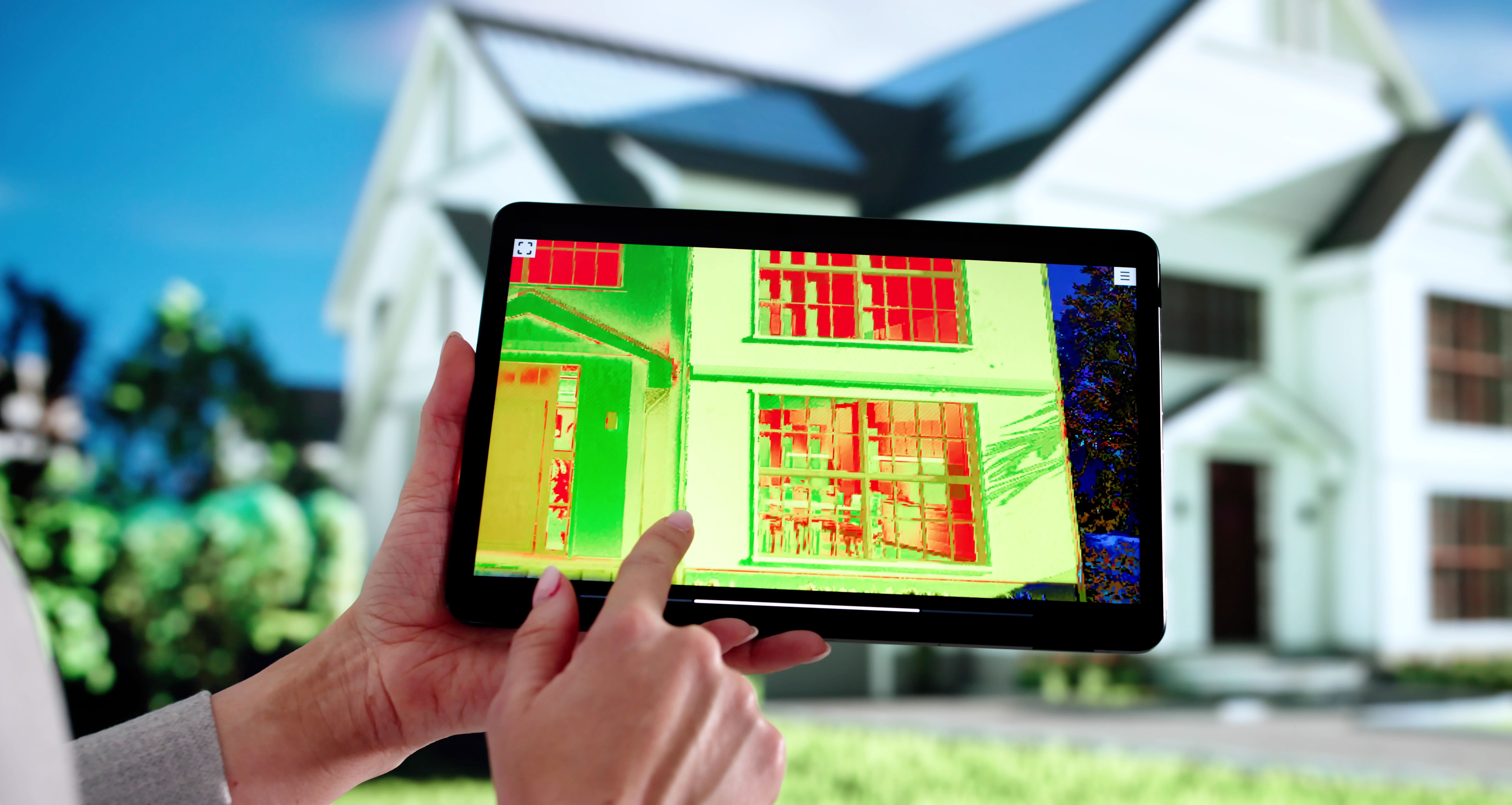
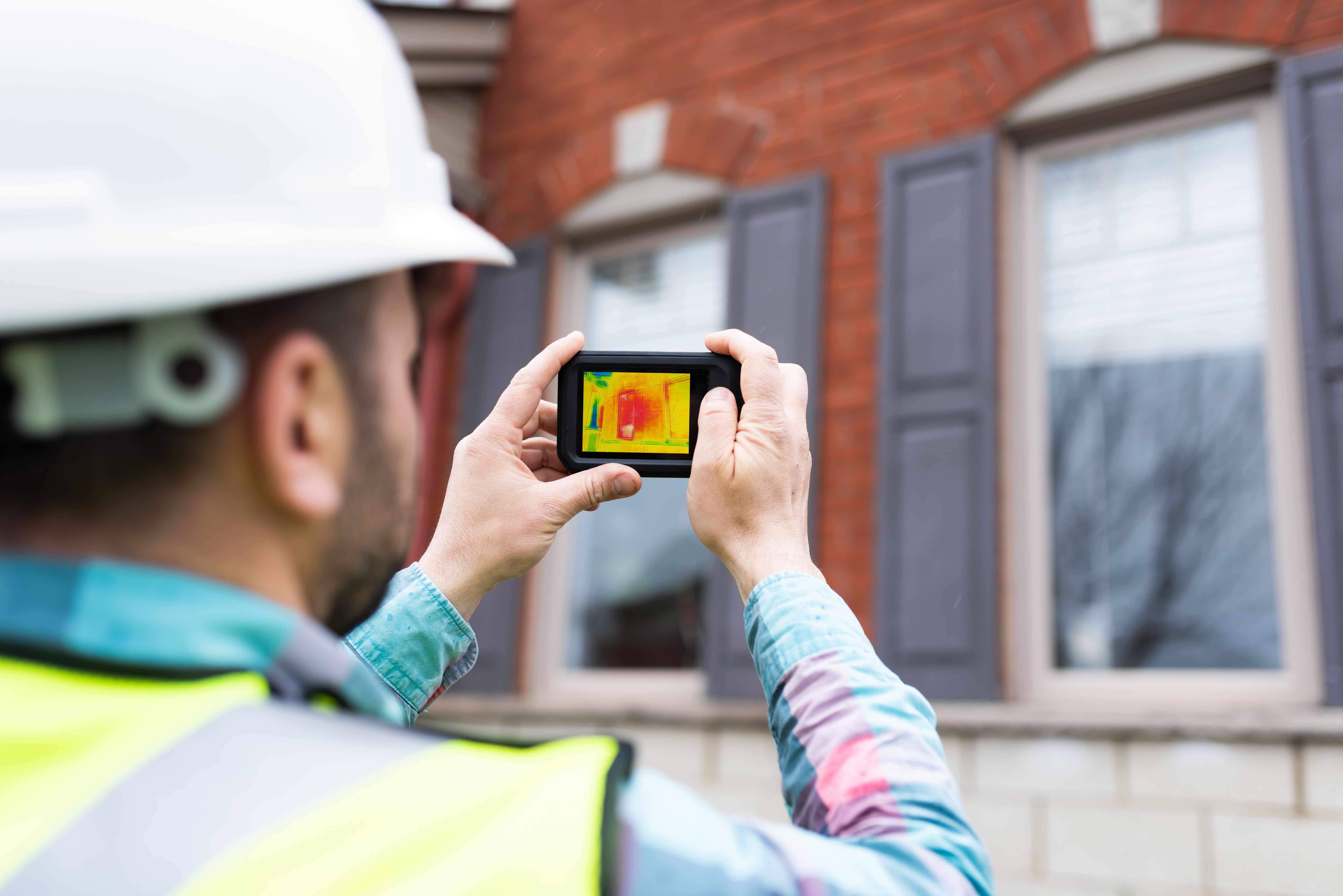
A heat loss scan is a diagnostic procedure that uses thermal imaging technology to identify areas where heat escapes from your home. This scan highlights temperature variations across different surfaces, helping you pinpoint problem areas such as poorly insulated walls, ceilings, and windows.
The scan produces images that show warm and cool spots, making it easier to address specific issues. By understanding where heat loss occurs, homeowners can take targeted actions to improve insulation and seal leaks.
Benefits of Conducting a Heat Loss Scan
Conducting a heat loss scan offers several benefits. Firstly, it provides a clear visual representation of your home's thermal performance. This allows you to make informed decisions about improvements. Secondly, identifying and addressing heat loss can lead to significant savings on energy bills. Lastly, improving your home's energy efficiency contributes positively to the environment by reducing your carbon footprint.
Common Areas of Heat Loss
Heat loss can occur in various parts of a home. The most common areas include:
- Windows and doors: Poor sealing and single-glazed windows can lead to significant heat loss.
- Walls: Insufficient insulation in walls can cause heat to escape.
- Roof and attic: Heat rises, making the roof and attic common culprits for heat loss.
Addressing these areas can greatly enhance your home's energy efficiency.
Steps to Take After a Heat Loss Scan
Once you have the results of a heat loss scan, it's time to take action. Here are some steps you can consider:
- Seal gaps around windows and doors using weatherstripping or caulk.
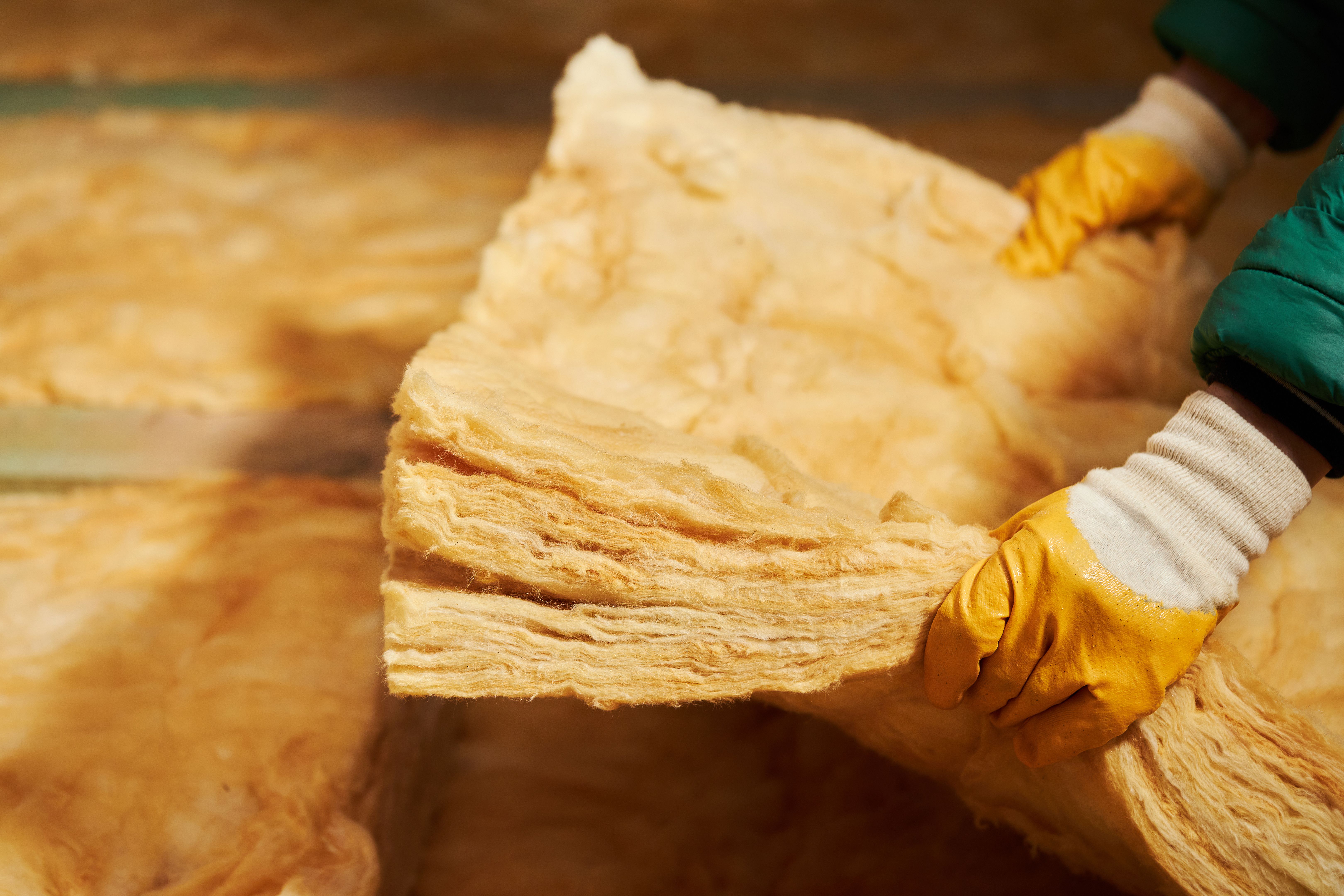
- Improve insulation in walls, attic, and other exposed areas.
- Consider upgrading to energy-efficient windows.
- Regularly check and maintain HVAC systems for optimal performance.
Professional vs. DIY Heat Loss Scans
While some homeowners may opt for DIY thermal cameras, professional heat loss scans offer more precise results. Professionals use high-quality equipment and have the expertise to interpret the data accurately. This ensures that you get the most reliable information for your energy efficiency improvements.
Ultimately, the choice between DIY and professional services depends on the complexity of the issues and your comfort level with interpreting the data.
Long-Term Benefits
Investing in a heat loss scan and addressing the identified issues can have long-term benefits. Not only will you enjoy a more comfortable home environment, but you will also see a return on investment through reduced energy bills. Furthermore, improving your home's energy efficiency can increase its value, making it an attractive prospect for future buyers.
In conclusion, understanding and addressing heat loss is a critical aspect of home maintenance. By conducting a heat loss scan, you take the first step towards a more energy-efficient and cost-effective home.