The Future of Drone Technology in Industrial Inspections

Revolutionizing Industrial Inspections
Drones have swiftly transitioned from niche gadgets to essential tools in various industries. Among these, their role in industrial inspections is particularly groundbreaking. By offering a safer, faster, and more cost-effective solution, drones are redefining how inspections are conducted across sectors such as oil and gas, construction, and power generation.
Enhancing Safety and Efficiency
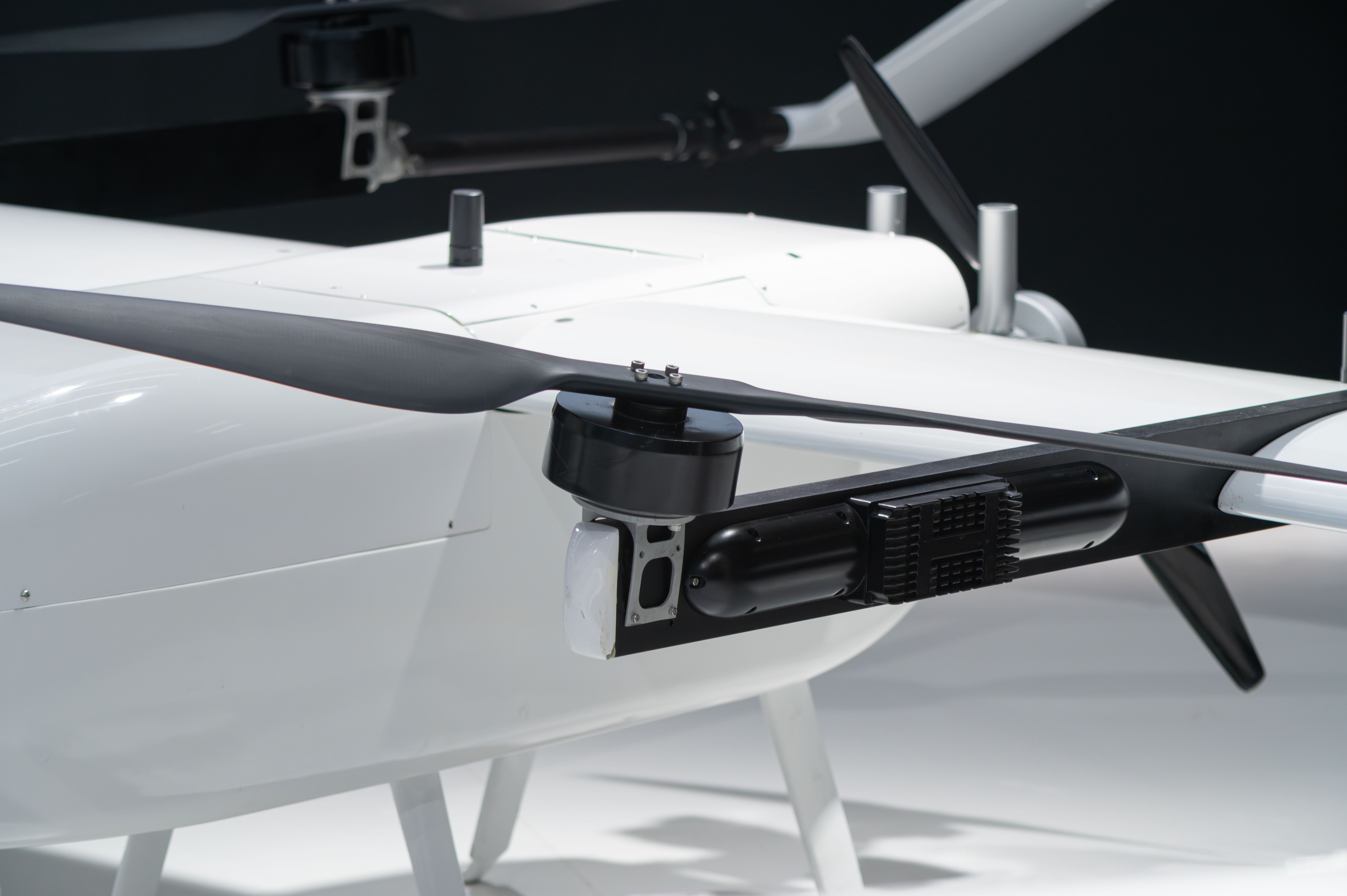
One of the most significant advantages of using drones in industrial inspections is the enhancement of safety. Traditional inspection methods often require workers to engage in potentially hazardous activities, such as climbing tall structures or entering confined spaces. Drones eliminate these risks by providing access to difficult-to-reach areas without endangering human lives.
Moreover, drones can perform inspections much faster than human inspectors. With their ability to cover large areas quickly and provide real-time data, they significantly reduce the time required for inspection processes. This increase in efficiency can lead to substantial cost savings for companies.
Advanced Data Collection and Analysis
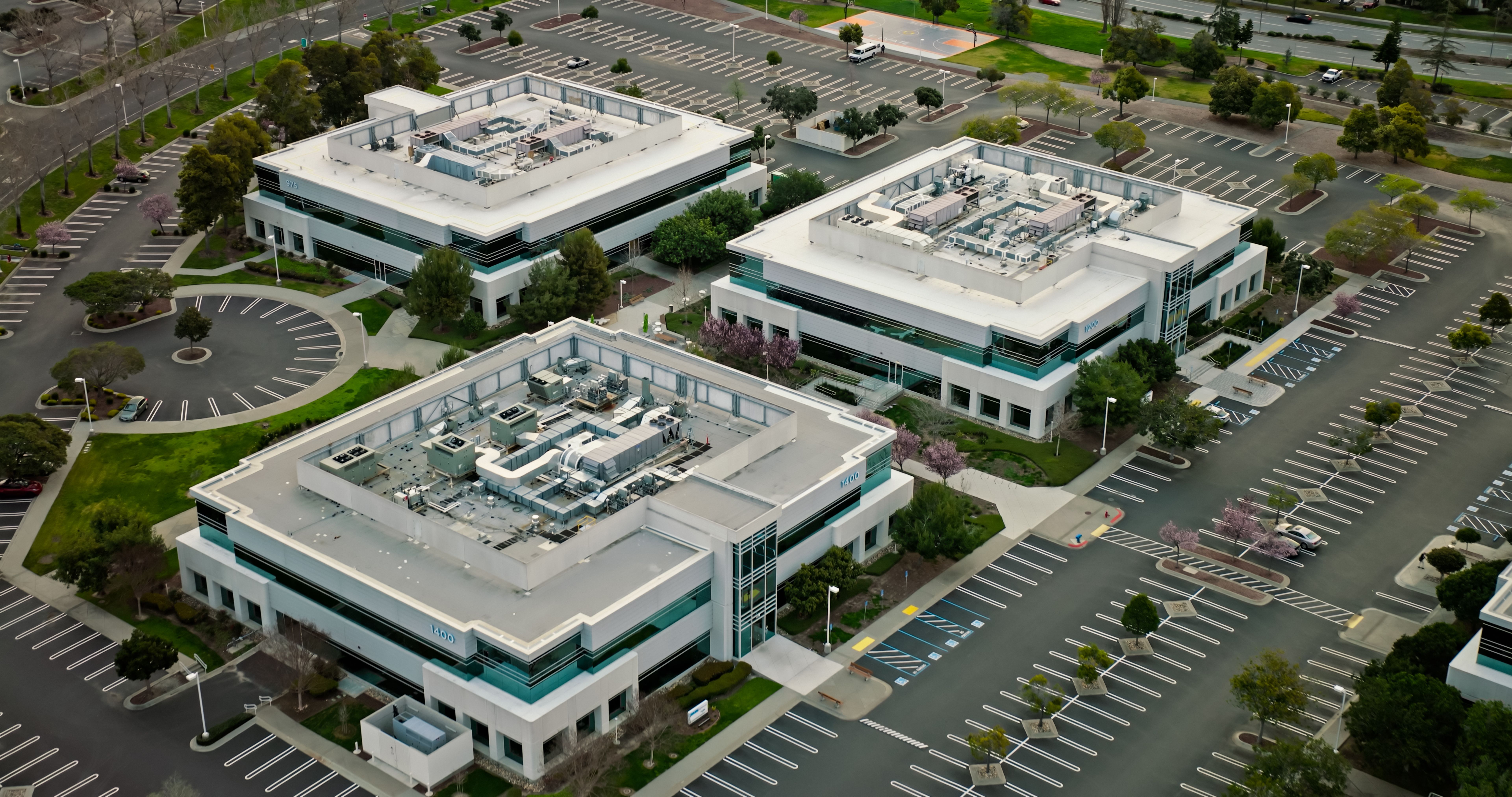
Drones equipped with high-resolution cameras and sensors can capture detailed imagery and data that are far superior to what the human eye can detect. These drones can be equipped with technologies such as thermal imaging and LiDAR, enabling them to identify issues like heat leaks or structural weaknesses that might not be visible otherwise.
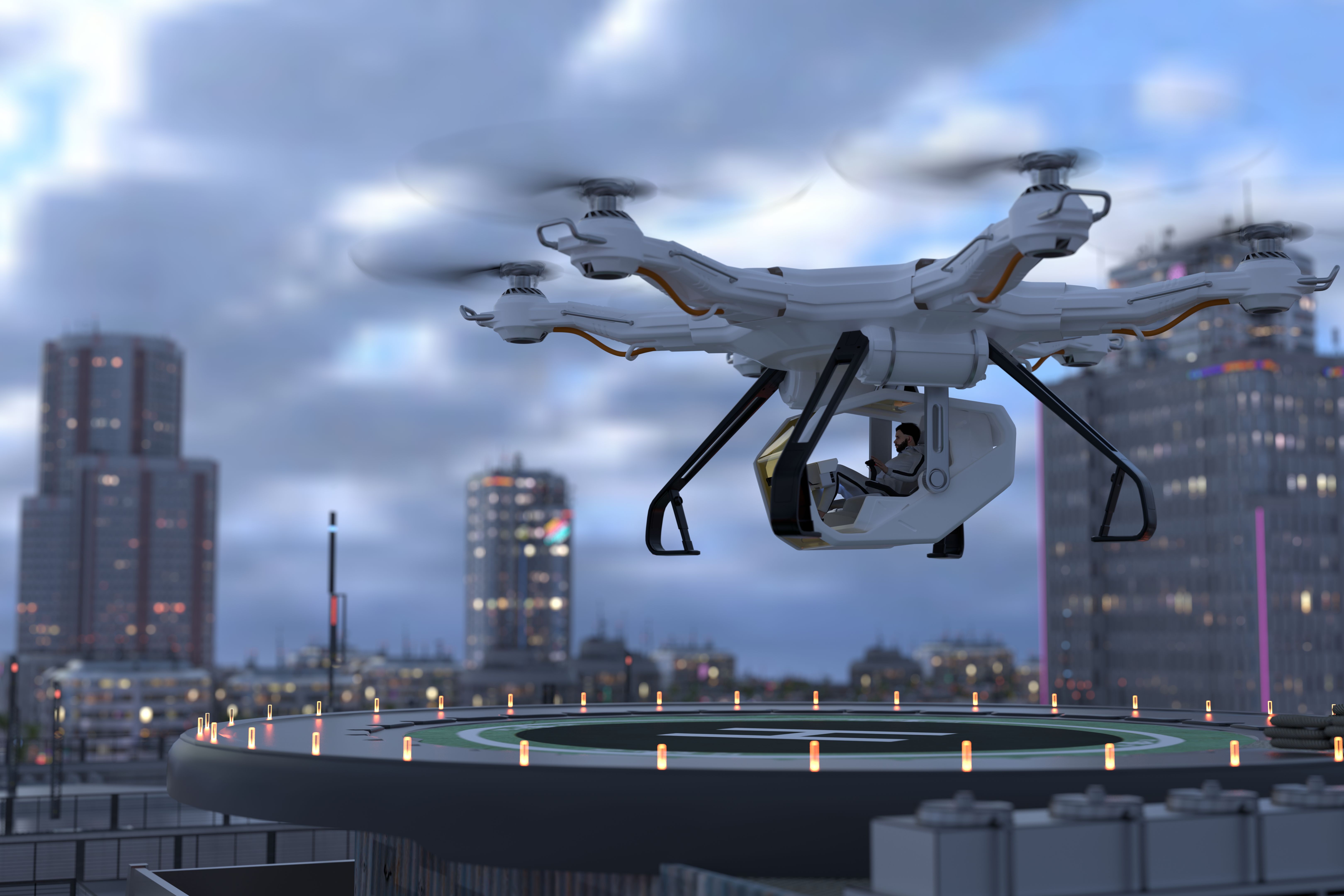
Additionally, the integration of artificial intelligence and machine learning with drone technology allows for automated data analysis. This means that drones can not only collect data but also process it to provide actionable insights, helping businesses make informed decisions quickly.
Cost-Effectiveness and Scalability
Implementing drones in industrial inspections can lead to significant cost reductions. Traditional methods often involve high labor costs and the necessity of equipment like scaffolding or cranes. Drones eliminate these requirements, reducing both direct and indirect costs.
Furthermore, as drone technology continues to evolve, it is becoming more affordable, making it accessible for businesses of all sizes. This scalability ensures that even smaller companies can leverage the benefits of drone inspections.
The Future of Drone Technology
The future of drone technology in industrial inspections looks incredibly promising. As advancements continue, we can expect drones to become even more autonomous, capable of performing complex inspections with minimal human intervention. This evolution will further enhance their efficiency and reliability.
Moreover, with the development of more robust regulatory frameworks, the integration of drones into industrial operations will likely become more seamless, paving the way for widespread adoption across various sectors.
Conclusion
In conclusion, the future of drone technology in industrial inspections is poised to transform the industry. By improving safety, efficiency, and data accuracy, drones are set to become indispensable tools in the industrial sector. As technology continues to advance, the potential applications and benefits of drones will only expand, making them a cornerstone of modern industrial operations.