Remote Site Inspection: A Comprehensive Guide to Ensuring Safety and Efficiency

In recent years, the landscape of site inspections has dramatically shifted. With advancements in technology and a growing emphasis on safety, remote site inspections have emerged as a valuable alternative to traditional methods. This approach offers numerous benefits, including increased efficiency, reduced costs, and enhanced safety for personnel.

Understanding Remote Site Inspection
Remote site inspection leverages technology to conduct thorough evaluations of sites without the need for physical presence. This method utilizes tools such as drones, 360-degree cameras, and virtual reality to gather critical data. By employing these technologies, inspectors can access hard-to-reach areas and obtain a comprehensive view of the site.
One of the key advantages of remote inspections is the ability to maintain operations during challenging conditions, such as adverse weather or restricted access scenarios. This flexibility ensures that inspections are conducted on schedule without compromising safety.
Key Technologies in Remote Site Inspection
The success of remote site inspections largely depends on the technologies employed. Here are some of the most effective tools used in the industry:
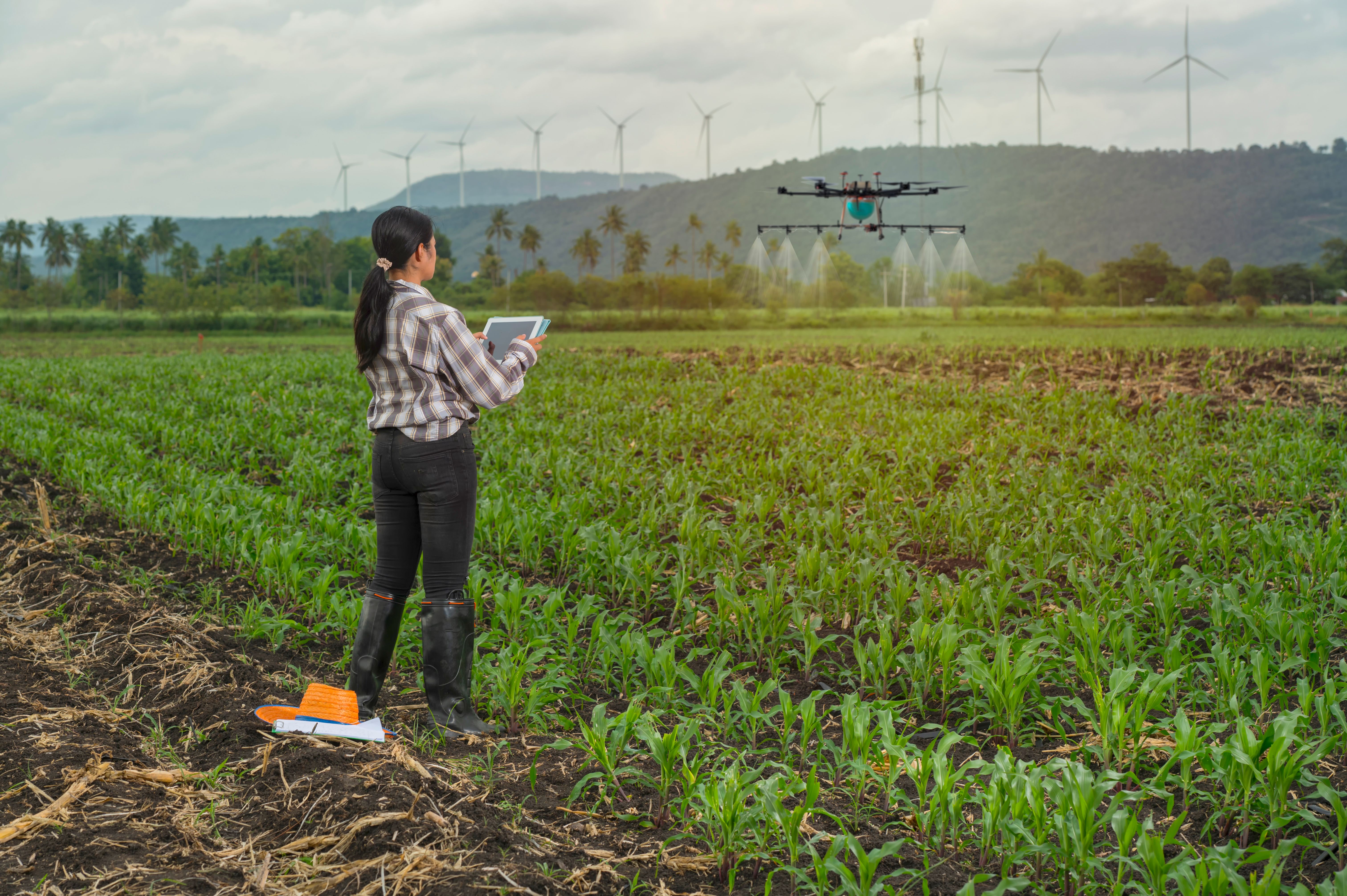
- Drones: Equipped with high-resolution cameras, drones provide aerial views and detailed imagery of the site, enabling inspectors to assess conditions from a distance.
- 360-Degree Cameras: These cameras capture panoramic views, allowing for a comprehensive examination of the site from any angle.
- Virtual Reality (VR): VR technology offers immersive experiences, enabling inspectors to virtually "walk" through the site and identify potential issues.
Benefits of Remote Site Inspection
Remote site inspections offer multiple advantages over traditional methods. They significantly reduce the need for travel, saving time and expenses, and minimizing the environmental impact. Moreover, they enhance safety by reducing the risk of accidents and exposure to hazardous conditions.
Additionally, remote inspections allow for better documentation and data management. Digital records can be easily stored, retrieved, and analyzed, facilitating compliance with regulations and standards.
Challenges and Considerations
Despite their benefits, remote site inspections are not without challenges. One primary concern is the initial investment in technology and training. Organizations must ensure they have the necessary infrastructure and skilled personnel to effectively implement remote inspections.
Data security and privacy are also critical considerations. Companies must safeguard the information obtained during inspections to prevent unauthorized access and ensure compliance with data protection laws.

Implementing Remote Site Inspections
To successfully adopt remote site inspections, organizations should follow a structured approach:
- Assess Needs: Determine the specific requirements and objectives of the inspection process.
- Select Technologies: Choose the appropriate tools and technologies that align with the inspection goals.
- Train Personnel: Provide comprehensive training to staff on the use of technology and data management practices.
- Conduct Trials: Implement pilot programs to evaluate the effectiveness and identify areas for improvement.
By carefully planning and executing these steps, organizations can transition to remote site inspections smoothly and efficiently.
In conclusion, remote site inspections represent a significant advancement in the field of site management. By embracing this innovative approach, companies can enhance safety, efficiency, and overall performance, paving the way for a more sustainable future.