Reducing Scope Creep with Independent Roof Documentation in Commercial Projects


Understanding Scope Creep in Commercial Roofing Projects
Scope creep is a common challenge in commercial roofing projects. It occurs when the project's scope expands beyond the original plans, often leading to increased costs and extended timelines. This can be particularly problematic in large-scale projects where precision and control are crucial. Understanding how to manage and reduce scope creep is essential for project success.
In many cases, scope creep results from unclear project specifications, poor communication, or unexpected issues arising during construction. By addressing these factors, project managers can keep the project on track and within budget.
The Role of Independent Roof Documentation
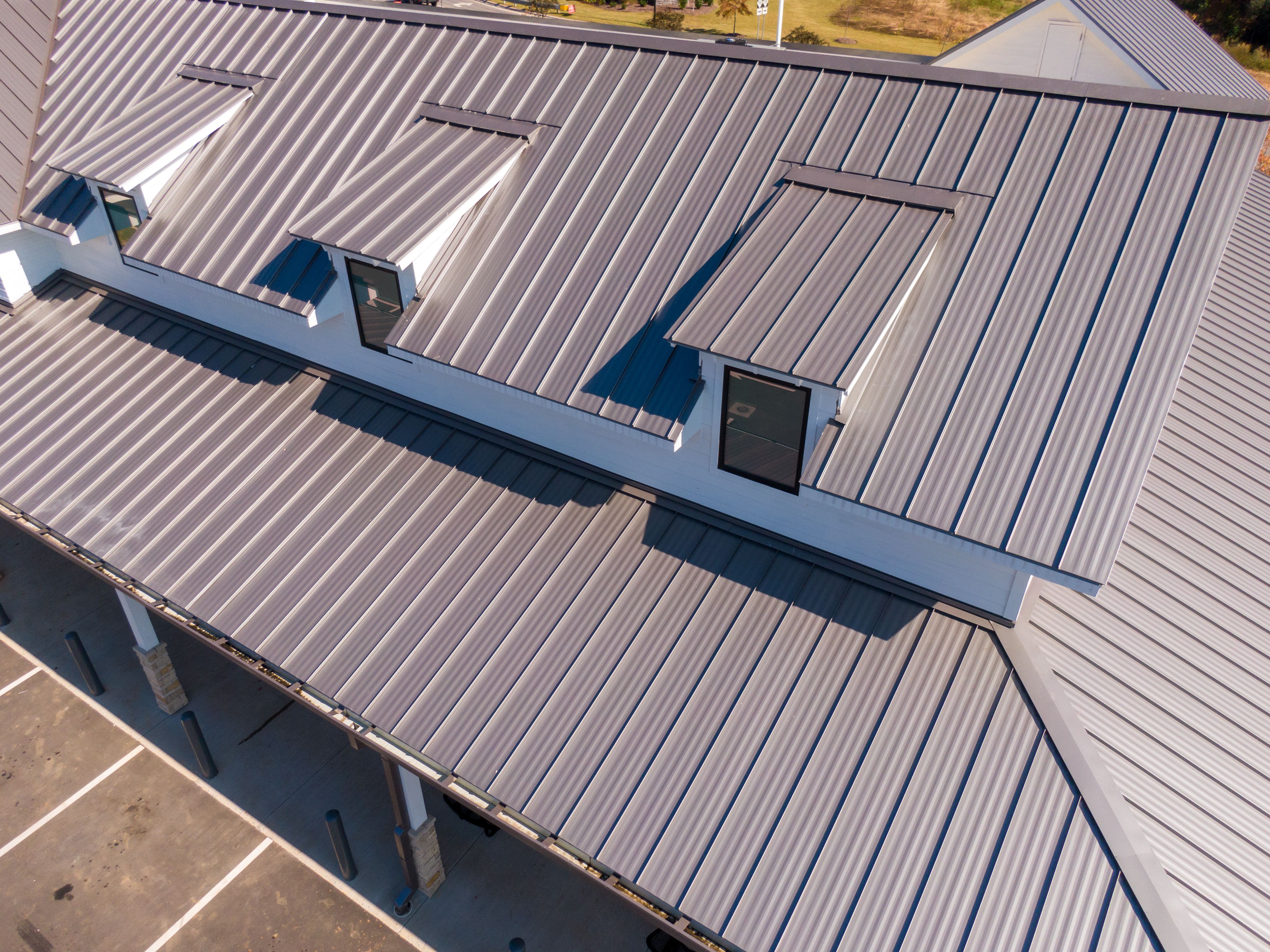
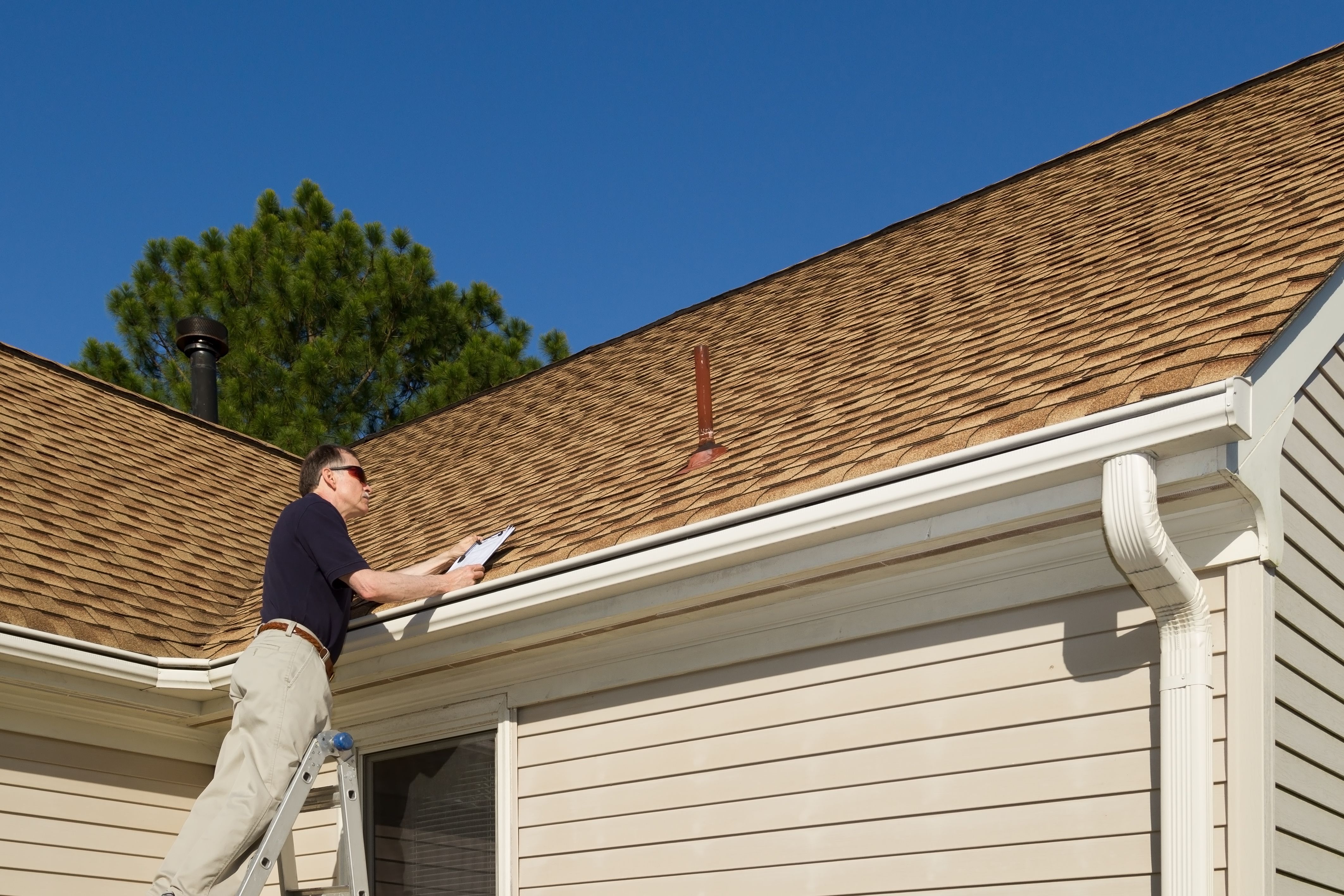
Independent roof documentation plays a pivotal role in reducing scope creep. By providing a clear, unbiased view of the project’s current state, independent documentation helps in maintaining transparency and accountability. This documentation typically includes detailed reports, photographs, and measurements that offer an accurate depiction of the roof's condition.
Having this documentation ensures that all parties involved have a shared understanding of the project's requirements and progress. This helps in preventing misunderstandings and miscommunications that could lead to scope creep.
Benefits of Independent Documentation
Independent roof documentation offers several benefits:
- Transparency: Clear and objective records help all stakeholders understand the project's status.
- Accountability: Documentation holds contractors accountable for their work, ensuring they adhere to the agreed-upon scope.
- Problem Identification: Early identification of potential issues can prevent costly changes later in the project.
Implementing Effective Documentation Practices
To maximize the benefits of independent roof documentation, it's essential to implement effective documentation practices. This involves regular inspections, using advanced tools and technology, and ensuring that all findings are meticulously recorded and shared with relevant parties.
Consider utilizing drones or other advanced imaging technologies to capture comprehensive views of the roof. These technologies can provide high-resolution images that help in identifying issues not visible from the ground.
Collaboration and Communication
Effective collaboration and communication among stakeholders are crucial in reducing scope creep. Regular meetings and updates can ensure that everyone is aligned with the project goals and aware of any changes or challenges that may arise.
Encouraging open communication channels allows team members to voice concerns or suggest improvements, leading to a more efficient and effective project management process.
Conclusion
Reducing scope creep in commercial roofing projects requires a strategic approach that includes independent roof documentation, effective communication, and advanced technology. By implementing these practices, project managers can ensure that projects are completed on time and within budget, ultimately leading to greater client satisfaction and successful outcomes.
Incorporating these strategies not only helps in managing current projects but also builds a foundation for better management of future projects, enhancing the overall efficiency and reliability of your roofing endeavors.