Preparing Your Property for Winter: A Drone Inspection Checklist


Understanding the Importance of Winter Preparation
As winter approaches, property owners should take proactive steps to ensure their buildings are ready for the harsh weather conditions. One effective way to assess potential issues is through a drone inspection. Drones can access hard-to-reach areas, providing a comprehensive overview of your property's condition. With a drone inspection, you can identify problems early and prevent costly repairs.
Advantages of Drone Inspections
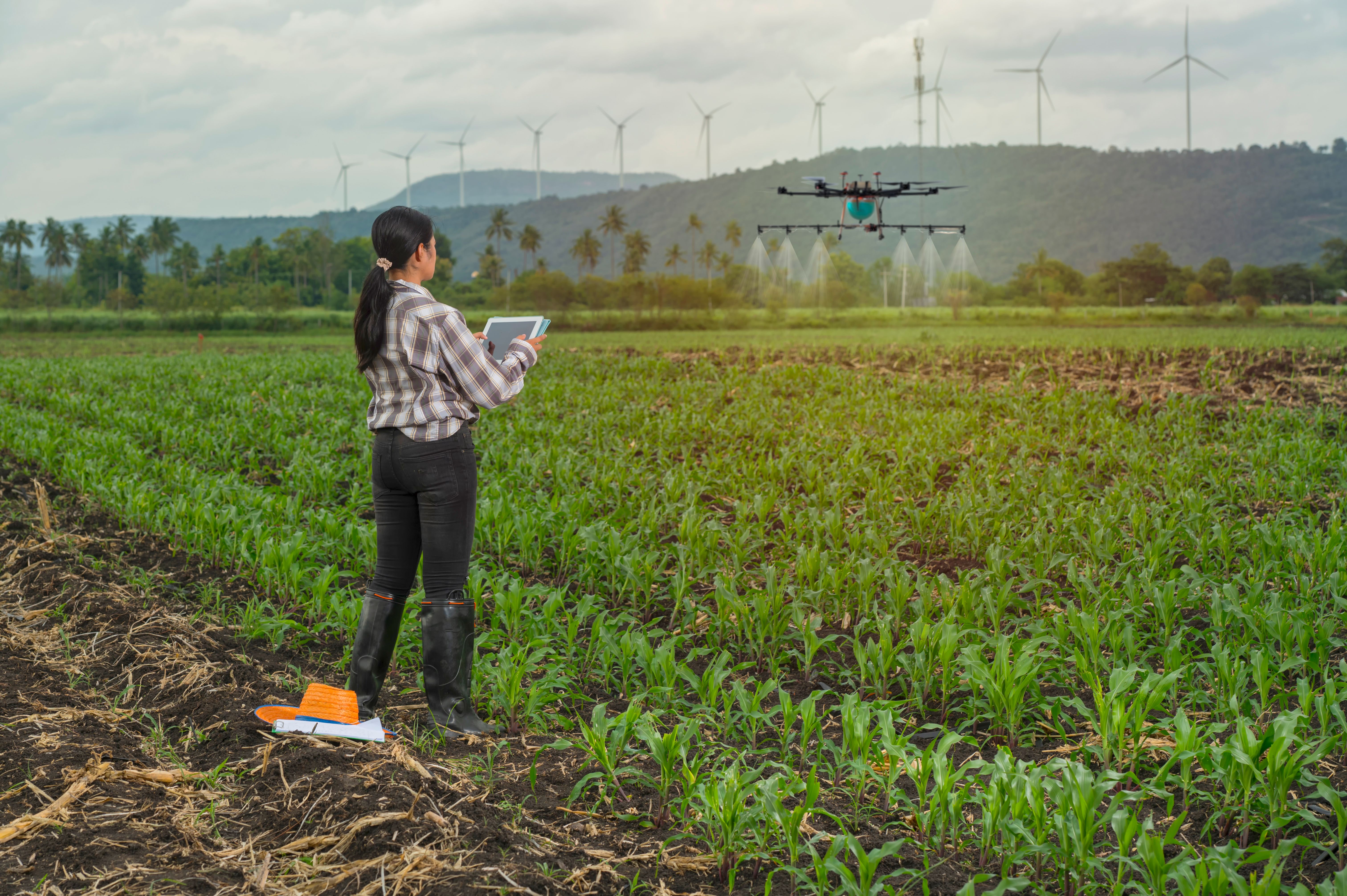
Drone inspections offer numerous benefits, especially when preparing for winter. They provide a safe and efficient way to inspect roofs, gutters, and other elevated areas without the need for ladders or scaffolding. Drones can capture high-resolution images and videos, allowing for detailed analysis of the property's condition. Additionally, drone inspections are often more cost-effective than traditional methods.
Another advantage is the ability to inspect large properties quickly. Whether you manage residential, commercial, or industrial properties, drones can cover vast areas in a fraction of the time it would take a human inspector. This efficiency ensures that you can address any issues promptly before winter sets in.
Preparing for a Drone Inspection
Before conducting a drone inspection, it's essential to plan thoroughly. Start by creating a checklist of areas you want to inspect, such as the roof, gutters, chimneys, and exterior walls. Ensure that your drone is in good working order and that its batteries are fully charged.
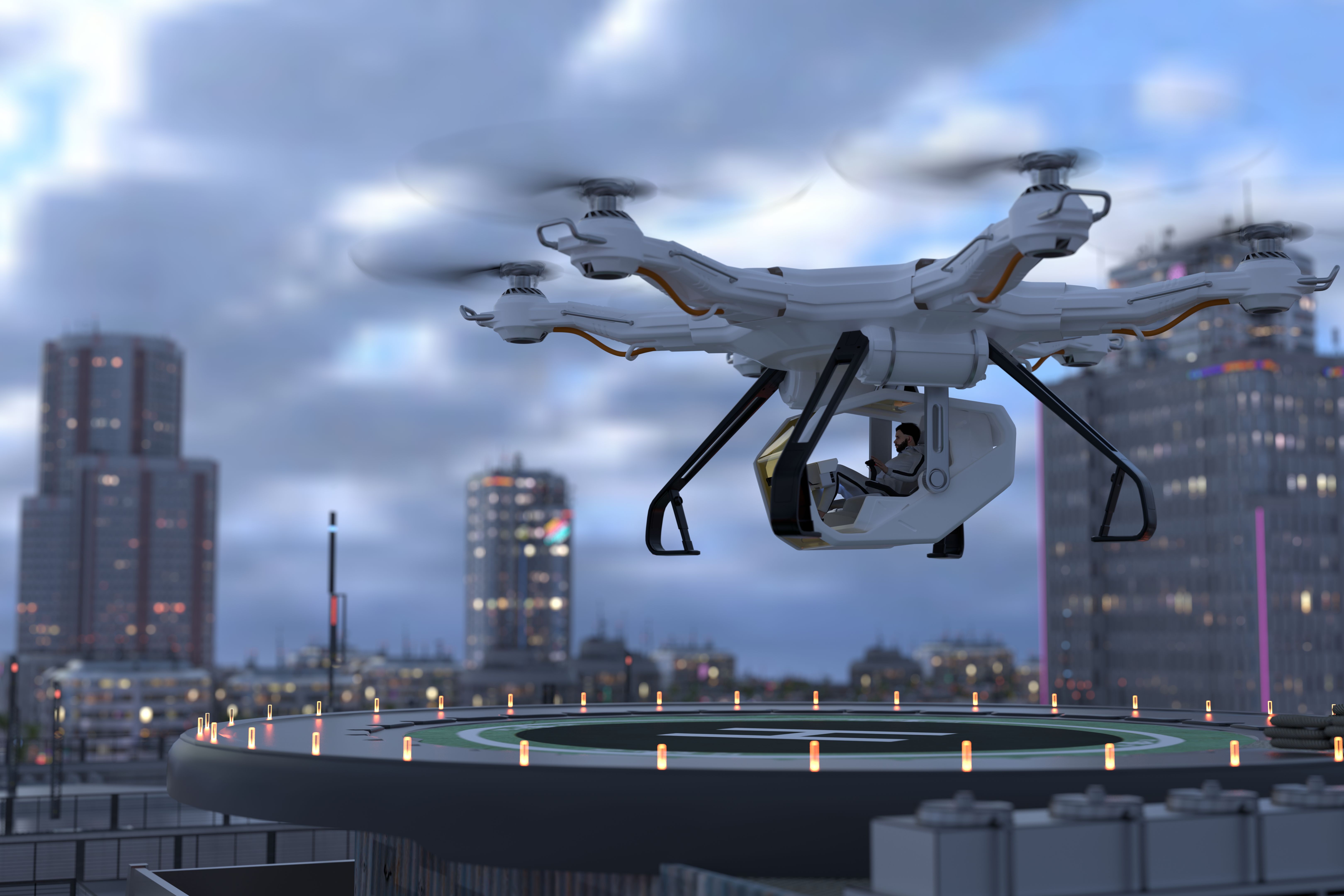
It's also crucial to check the weather conditions on the day of the inspection. Ideal conditions are clear skies with minimal wind, ensuring that the drone can operate safely and capture high-quality images. Additionally, ensure compliance with local regulations regarding drone flight to avoid any legal issues.
Key Areas to Inspect
During the drone inspection, focus on critical areas that are prone to winter damage. Here are some essential spots to include in your checklist:
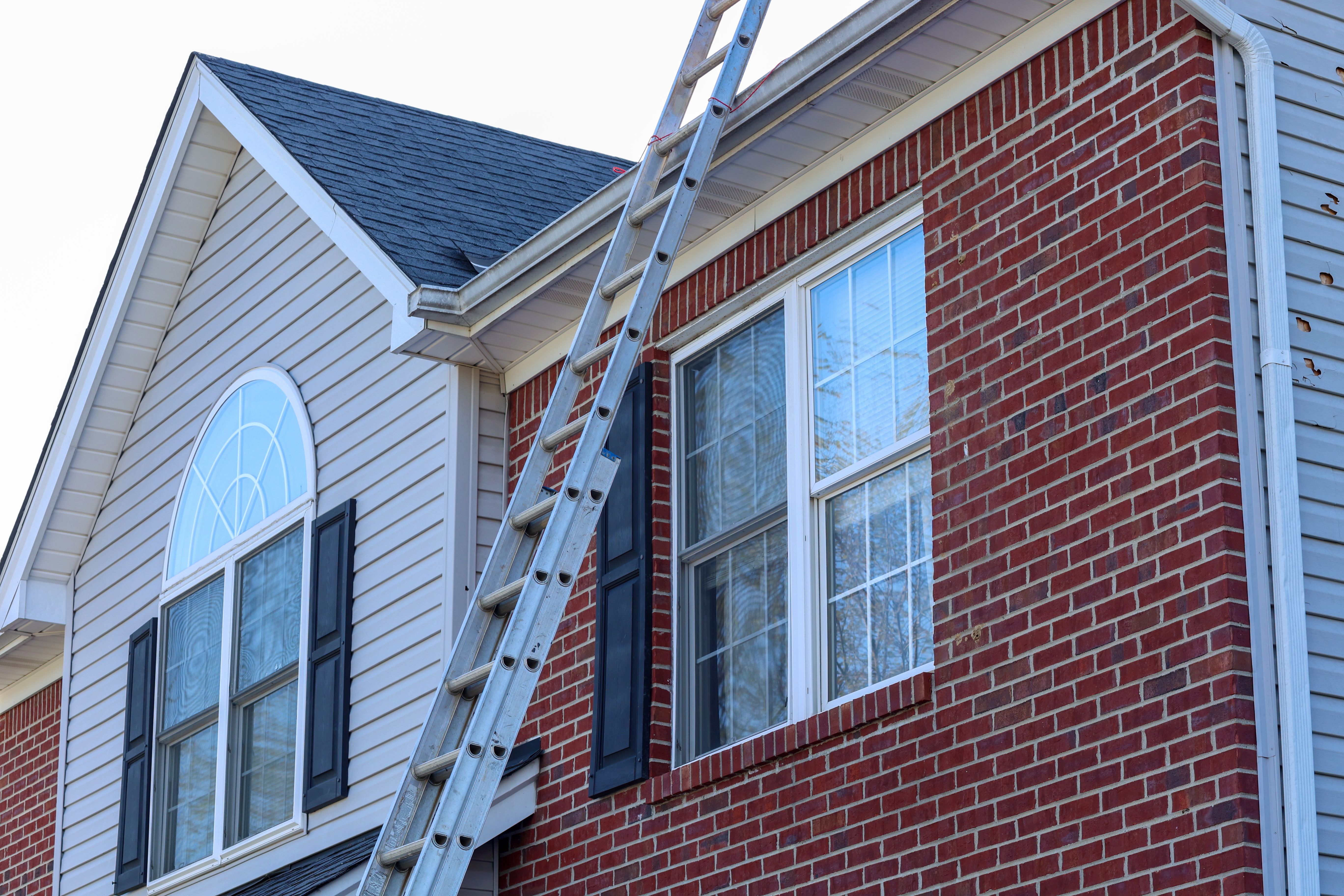
- Roof: Look for missing or damaged shingles, cracks, and signs of wear.
- Gutters and Downspouts: Check for blockages that could lead to water buildup and ice dams.
- Chimneys: Inspect for cracks or structural weaknesses that could cause safety hazards.
- Exterior Walls: Identify any cracks or damage to prevent water infiltration.
Analyzing Drone Inspection Data
Once the inspection is complete, review the captured images and videos to identify potential issues. Pay close attention to any signs of damage or wear that could worsen during winter. Use software tools to enhance images if needed, allowing for a more detailed analysis.
If any problems are detected, prioritize repairs based on severity. Addressing these issues before winter arrives can save you from costly repairs down the line and ensure the safety and comfort of your property.
The Future of Property Inspections
The use of drones in property inspections is becoming increasingly popular due to their efficiency and effectiveness. As technology advances, drones will likely offer even more sophisticated capabilities, such as thermal imaging for detecting heat loss or moisture intrusion.

By incorporating drone inspections into your regular maintenance routine, you can maintain your property's value and functionality while minimizing risks associated with winter weather. Embrace this innovative approach to property management and stay ahead of potential issues.