Maximizing Building Maintenance with Aerial and Thermal Imaging Inspections

In today's fast-paced world, the need for efficient building maintenance has never been more critical. With the advent of advanced technologies, aerial and thermal imaging inspections have become game-changers in the industry. These innovative techniques offer a new perspective on maintaining structures, ensuring safety, and reducing costs.
Understanding Aerial Imaging Inspections
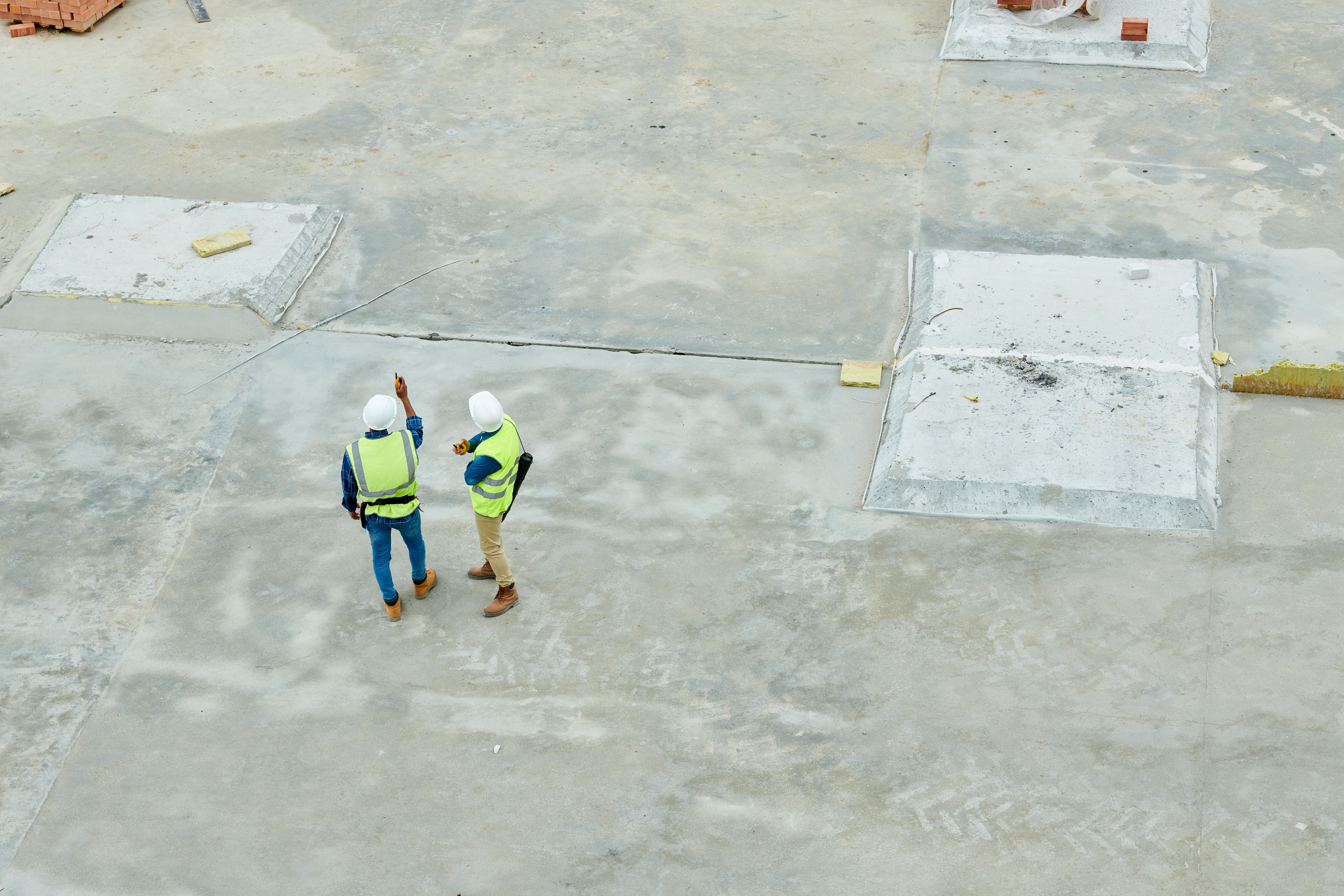
Aerial imaging, primarily conducted through drones, offers a comprehensive view of a building's exterior. This method allows inspectors to capture high-resolution images and videos from various angles, providing insights that are often missed during ground inspections.
One of the prominent advantages of aerial imaging is its ability to access hard-to-reach areas. Roofs, tall structures, and remote sites can be surveyed without the need for scaffolding or cranes. This not only saves time but also minimizes risks associated with manual inspections.

The Role of Thermal Imaging
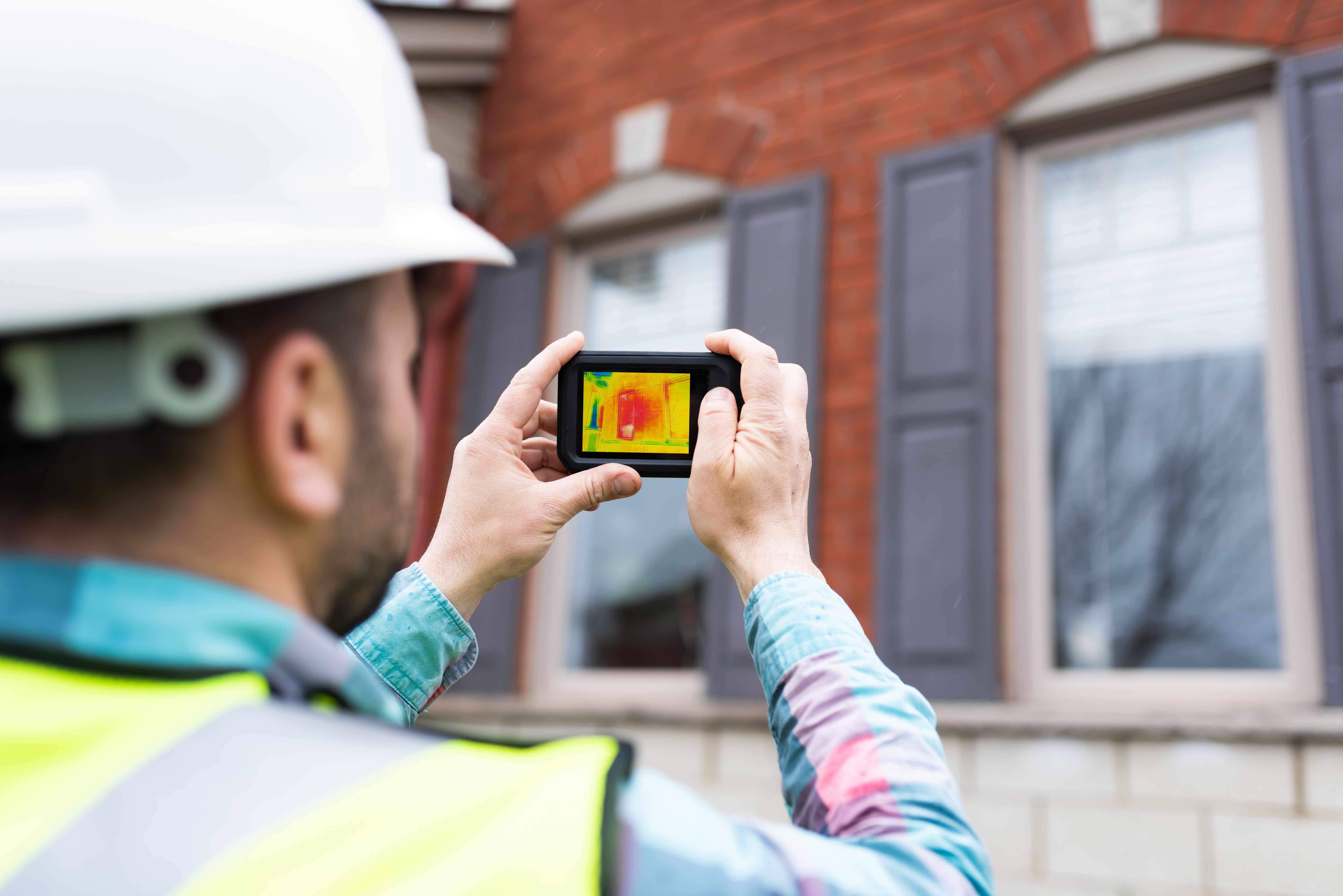
Thermal imaging complements aerial inspections by detecting temperature variations across building surfaces. This technology can identify potential issues such as water leaks, insulation gaps, and electrical faults, which are invisible to the naked eye.
By using thermal cameras, maintenance teams can pinpoint problem areas precisely, allowing for targeted repairs. This proactive approach helps in preventing minor issues from escalating into major problems, thereby extending the lifespan of the building.
Benefits of Combining Aerial and Thermal Inspections
When used together, aerial and thermal imaging provide a holistic view of a building's condition. This integration offers several benefits:
- Comprehensive Analysis: By combining visual and thermal data, inspectors can gain a complete understanding of structural integrity.
- Cost Efficiency: Early detection of issues reduces repair costs and avoids unnecessary interventions.
- Improved Safety: Remote inspections limit the need for physical access, enhancing safety for maintenance crews.
Implementing These Technologies
To maximize the benefits of aerial and thermal imaging, it's essential to partner with experienced service providers. These professionals are equipped with the latest technology and expertise to deliver precise and actionable insights.
Regular training and updates on the latest advancements in imaging technology are crucial for maintaining a competitive edge. By staying informed, facility managers can ensure that they are utilizing the most efficient methods for building maintenance.

Conclusion
Incorporating aerial and thermal imaging inspections into building maintenance strategies is not just a trend—it's a necessity. These technologies provide a detailed and accurate assessment of building conditions, enabling timely interventions and enhancing the overall efficiency of maintenance operations.
As the industry continues to evolve, embracing these innovative solutions will be key to maintaining safe, durable, and cost-effective structures. By leveraging the power of aerial and thermal imaging, facility managers can ensure their buildings remain in top condition for years to come.