How to Prepare Your Building for a Thermal Imaging Inspection


Understanding Thermal Imaging Inspections
Thermal imaging inspections are a powerful tool for identifying issues within a building, such as heat loss, moisture intrusion, and electrical faults. By using infrared technology, these inspections provide detailed insights that are not visible to the naked eye.
Preparing your building for a thermal imaging inspection ensures accurate and useful results. Whether you're a homeowner or a facility manager, understanding the preparation process is key to maximizing the benefits of this advanced technology.
Steps to Prepare Your Building
Ensure Proper Lighting and Conditions
Before the inspection, it's important to create the right conditions. Turn off any artificial lighting and block natural light where possible. This helps in reducing reflections and ensures that the thermal camera captures accurate temperature differences.
Control Indoor Temperature
Thermal imaging is most effective when there's a temperature difference between the inside and outside of the building. Aim for a difference of at least 20°F (about 11°C). This contrast helps in identifying insulation issues and air leaks more clearly.
Preparing Building Systems
Check HVAC Systems
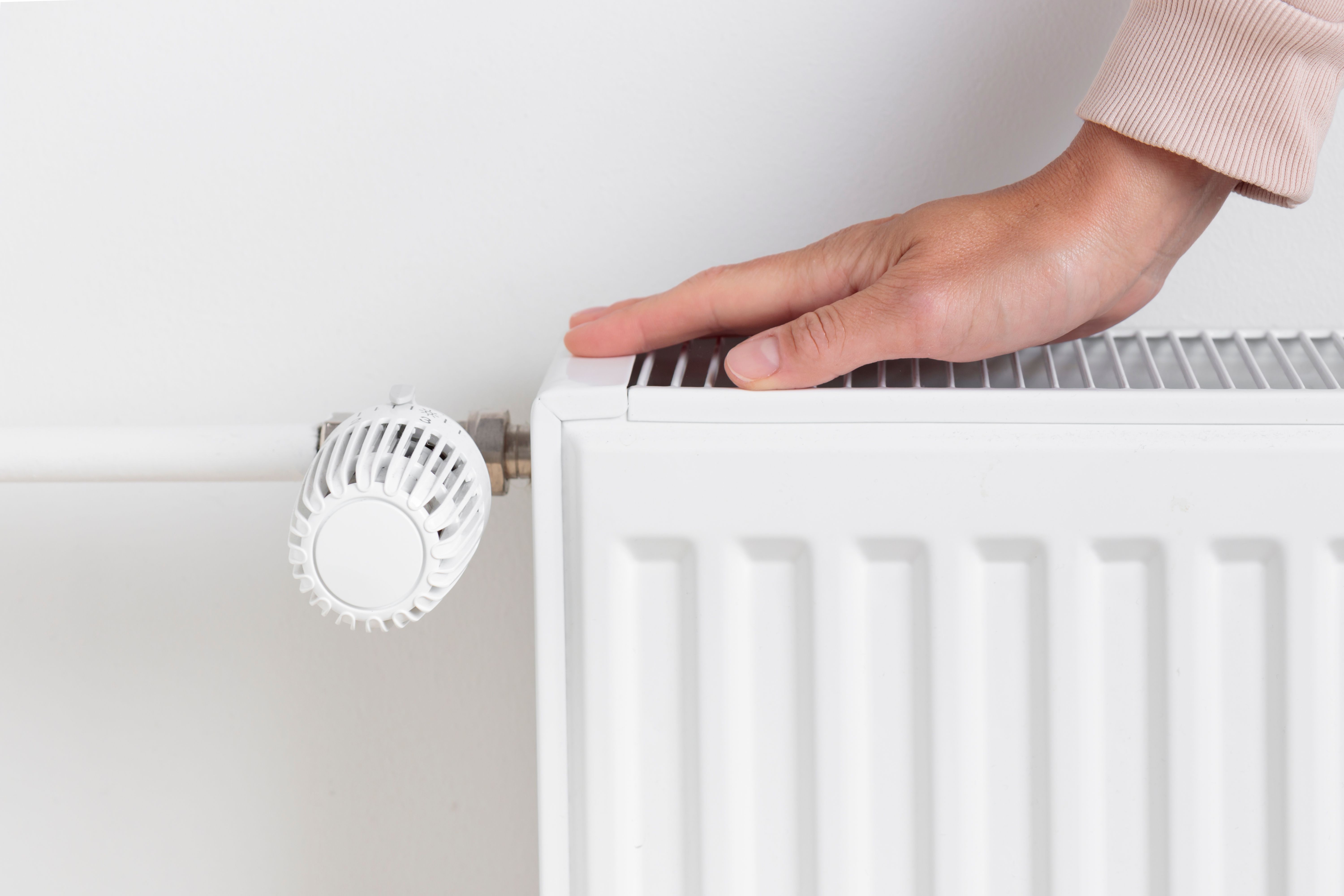
Ensure that your heating, ventilation, and air conditioning (HVAC) systems are operational. Running these systems before and during the inspection can help identify inefficiencies or leaks. Make sure to maintain a consistent temperature during the process.
Identify Problem Areas
Before the inspection, list any known issues or areas of concern, such as drafty rooms or cold spots. Inform the inspector about these areas, as they may require closer examination. This proactive approach can lead to more targeted and effective results.
Maintain Clear Access
Clear Clutter and Obstructions
Ensure that the inspector has easy access to all areas of the building. Remove any obstacles such as furniture or storage items that might hinder the inspection process. Clear pathways allow the inspector to move freely and capture comprehensive data.
Inspect Exterior Areas
Don't forget about the exterior of the building. Ensure that outdoor areas are accessible and clear of debris. This includes trimming any overgrown vegetation that might obstruct the view of walls or windows.
Conclusion
Preparing your building for a thermal imaging inspection involves a few strategic steps that can significantly impact the results. By ensuring proper conditions, maintaining building systems, and providing clear access, you can enhance the effectiveness of the inspection.
For those looking to improve energy efficiency, comfort, and safety, a well-prepared thermal imaging inspection is an invaluable asset. With these guidelines, you are now ready to maximize the benefits of this innovative technology.