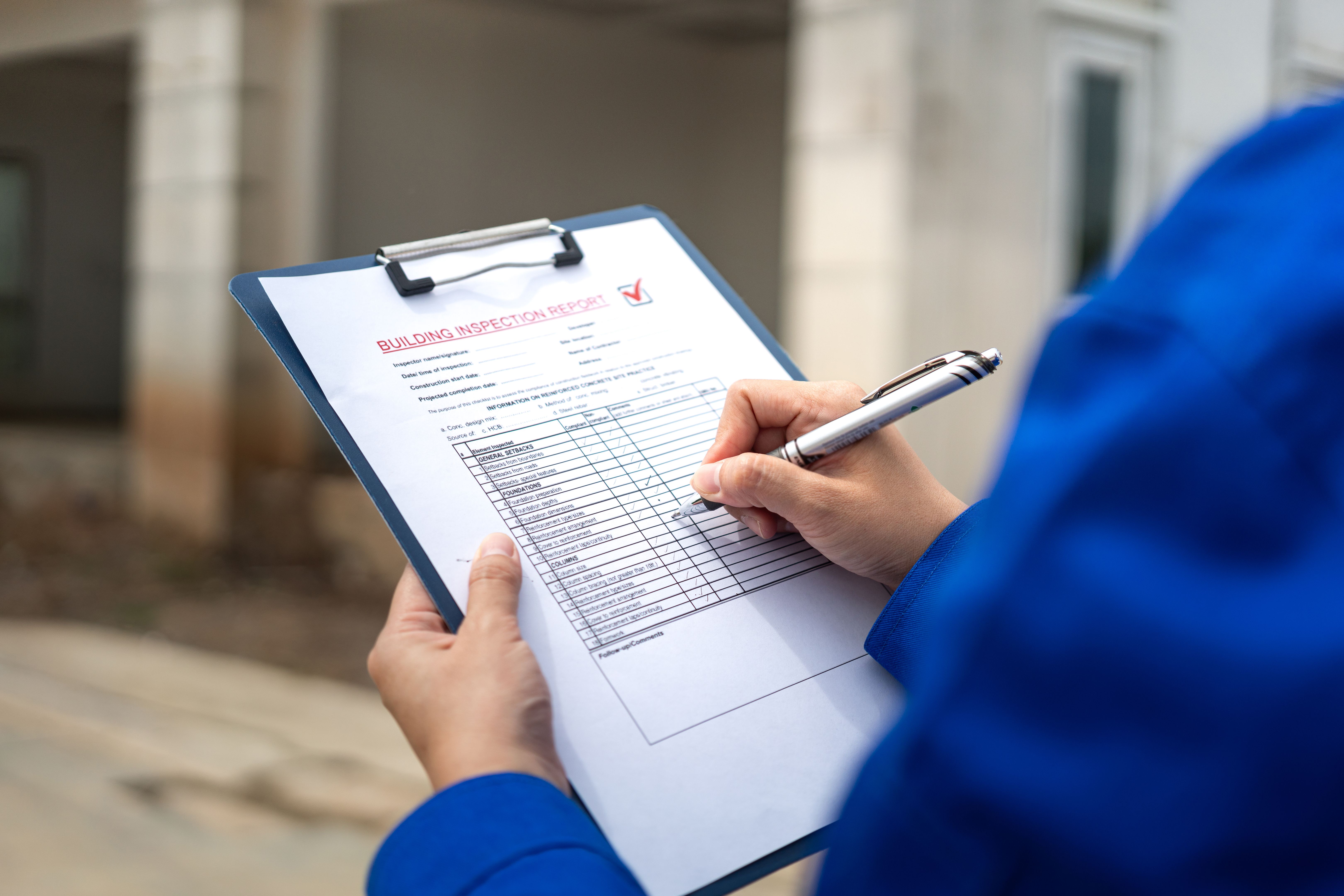
How to Prepare Your Building for a Thermal Imaging Inspection


Understanding Thermal Imaging Inspections
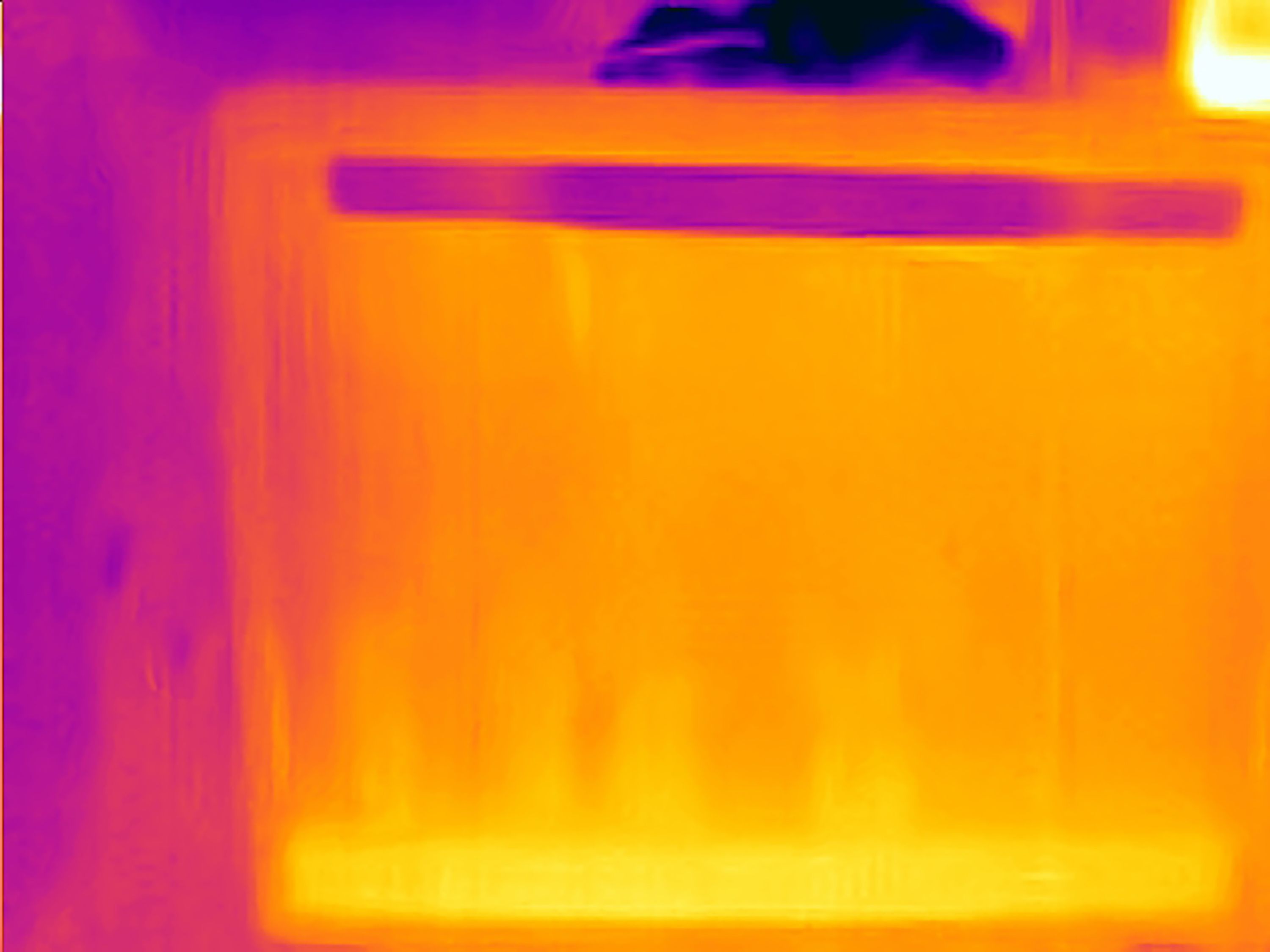
Thermal imaging inspections are a powerful diagnostic tool used to identify energy inefficiencies, electrical issues, and potential moisture problems within a building. They utilize infrared cameras to detect heat variations, which can reveal hidden issues not visible to the naked eye. Preparing your building adequately for these inspections ensures accurate and comprehensive results.
Clear Obstructions
One of the first steps in preparing for a thermal imaging inspection is to clear any obstructions from walls, ceilings, and floors that may impede the infrared camera's view. This includes removing furniture, drapes, or any other items that could block the surfaces being inspected. Clear access allows the inspector to capture more accurate thermal images.
Ensure Proper Temperature Conditions
For optimal results, it is important to maintain a sufficient temperature difference between the inside and outside of the building. Ideally, this difference should be at least 10 degrees Fahrenheit. This contrast helps highlight thermal anomalies more clearly on the infrared images.
Seal Openings and Gaps
Before the inspection, make sure that all windows and doors are sealed tightly to prevent airflow that could affect the temperature distribution. Check for any gaps or cracks in the building envelope and seal them to minimize misleading thermal patterns that could complicate the analysis.
Turn Off Equipment
Electrical equipment and appliances can generate heat that might interfere with the thermal inspection results. Prior to the inspection, turn off non-essential electrical devices and lighting. This helps in identifying real issues rather than being distracted by artificial heat sources.
Coordinate with the Inspection Team
Effective communication with the inspection team is crucial. Discuss any known issues or areas of concern in advance so they can focus on those during the inspection. This collaboration can lead to a more tailored inspection process and a better understanding of any detected anomalies.

Understand the Scope of Inspection
It's important to understand what areas of your building will be covered during the thermal imaging inspection. Review the scope of work with your inspector so you know which sections will be prioritized and ensure that those areas are accessible. This preparation can help streamline the inspection process.
Review and Act on Findings
Once the inspection is complete, thoroughly review the results provided by the inspector. These reports often include thermal images along with explanations of any anomalies found. Use this information to address issues such as insulation deficiencies, electrical problems, or moisture intrusions.
Plan for Future Inspections
Thermal imaging inspections should be part of regular maintenance to ensure your building operates efficiently. Plan for periodic inspections and continuously monitor areas that previously demonstrated issues. By doing so, you can prevent minor problems from escalating into major repairs.