How Thermal Imaging Home Inspections Can Save Energy Costs


Understanding Thermal Imaging Home Inspections
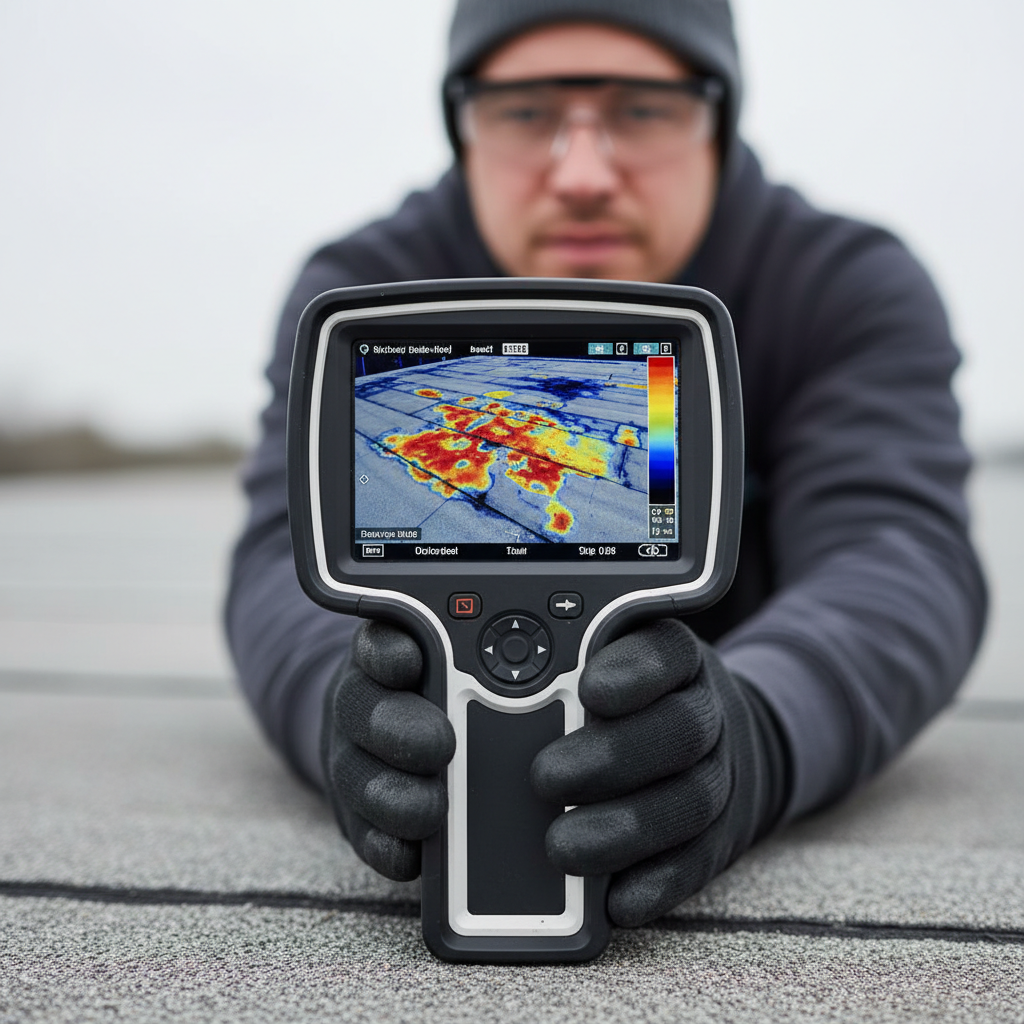
Thermal imaging home inspections have become an essential tool for homeowners looking to improve energy efficiency. By using infrared technology, these inspections can detect areas where heat is escaping, allowing homeowners to address these issues effectively. This technology provides a non-invasive way to identify hidden problems that might be contributing to higher energy bills.
A thermal imaging camera detects variations in temperature across different surfaces within a home. By capturing these differences, it can pinpoint areas of energy loss, such as poorly insulated walls, drafty windows, and doors, or malfunctioning HVAC systems.
The Benefits of Thermal Imaging
One of the most significant benefits of thermal imaging is its ability to identify problems that are not visible to the naked eye. For instance, it can detect moisture problems that could lead to mold growth or structural damage. Additionally, it can reveal electrical issues that could become safety hazards if left unaddressed.
Thermal imaging can save you money by allowing you to make targeted improvements to your home’s insulation and sealing. By addressing these issues, you can reduce energy waste, lower your utility bills, and increase the comfort of your home.
How Thermal Imaging Contributes to Energy Savings
By identifying areas of energy loss, thermal imaging inspections allow homeowners to make informed decisions about where to invest in improvements. Here are some common areas of energy loss that can be detected:
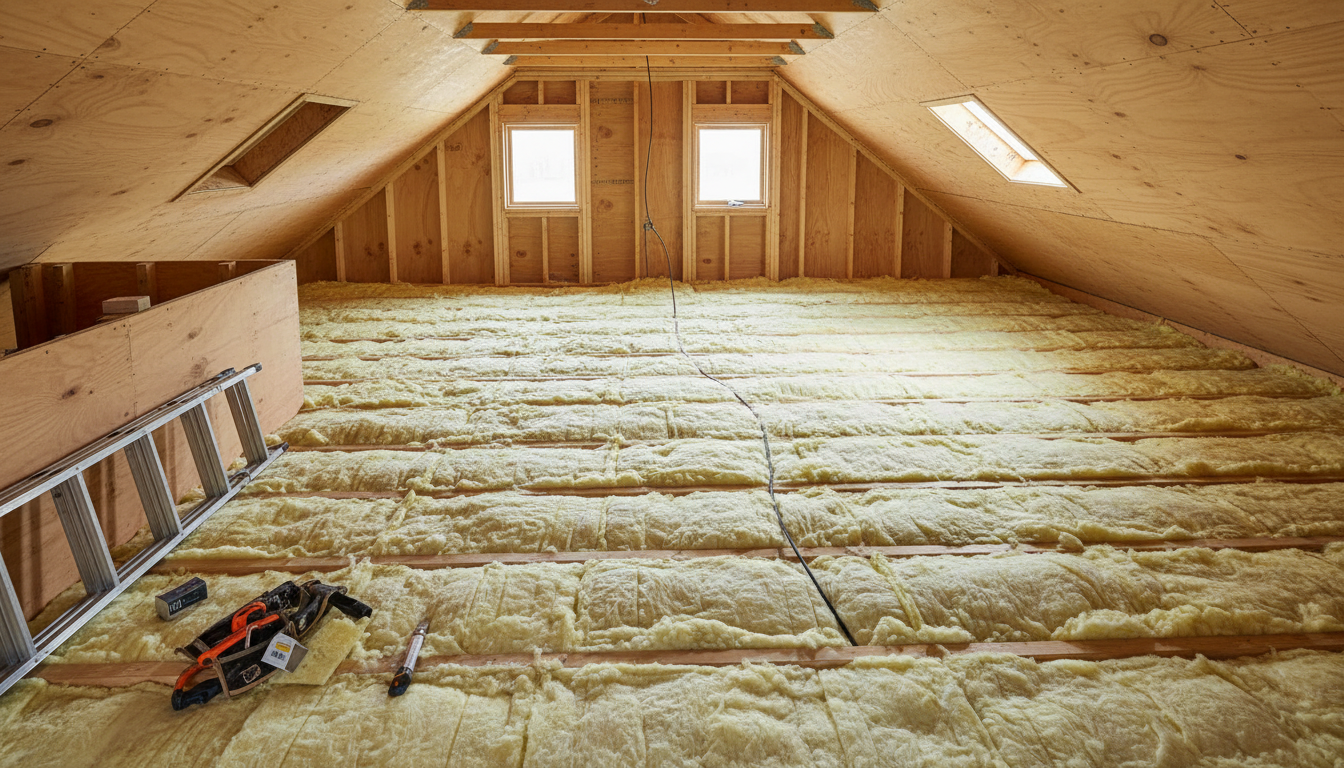
- Insulation gaps: Missing or inadequate insulation can lead to significant heat loss.
- Air leaks: Drafts around windows, doors, and other openings can compromise energy efficiency.
- HVAC issues: Inefficient heating and cooling systems can be detected and addressed.
Steps to Take After a Thermal Imaging Inspection
After completing a thermal imaging inspection, you’ll receive a detailed report highlighting the areas of concern. It’s essential to prioritize these findings based on potential energy savings and safety concerns. Here are some steps to take:
- Seal any identified air leaks with weatherstripping or caulking.
- Enhance or replace insulation where necessary.
- Repair or upgrade HVAC systems to ensure they are operating efficiently.
Choosing a Professional for Thermal Imaging
While some homeowners might consider performing a thermal imaging inspection themselves, hiring a professional is often the best choice. Professionals have the expertise to interpret the results accurately and can provide comprehensive solutions to the problems identified.
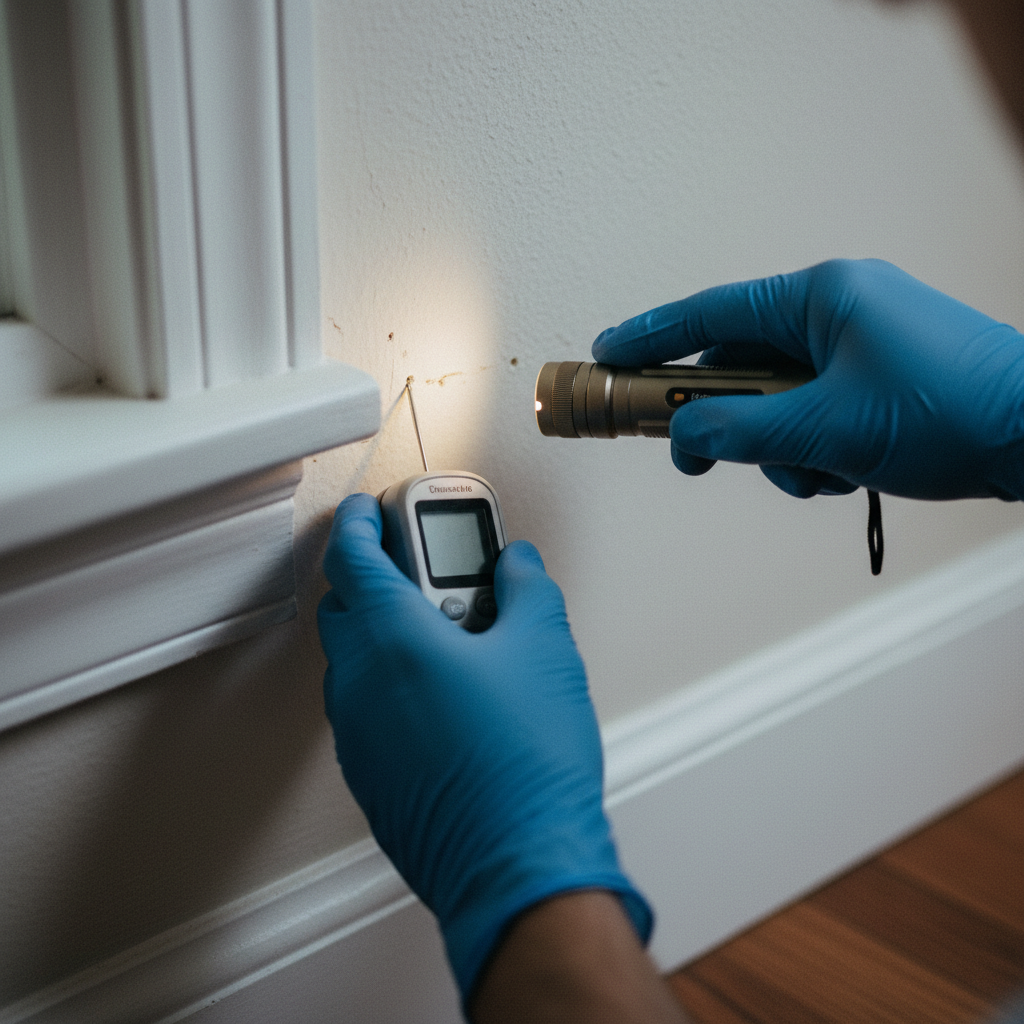
When choosing a thermal imaging service, look for certified inspectors with experience in energy audits. A reputable professional will provide you with the most accurate information and guidance on how to improve your home's energy efficiency.
Conclusion
Investing in a thermal imaging home inspection can lead to significant energy savings and increased comfort. By identifying and addressing areas of energy loss, homeowners can reduce their environmental impact and enjoy lower utility bills. Consider scheduling a thermal imaging inspection today to take the first step toward a more energy-efficient home.