How Drones Are Revolutionizing Storm Damage Assessment


The Role of Drones in Storm Damage Assessment
In recent years, drones have become an invaluable tool in a variety of industries, and their impact on storm damage assessment is particularly noteworthy. These flying devices offer a new perspective that allows for rapid and efficient evaluation of storm-affected areas, providing critical data to decision-makers.
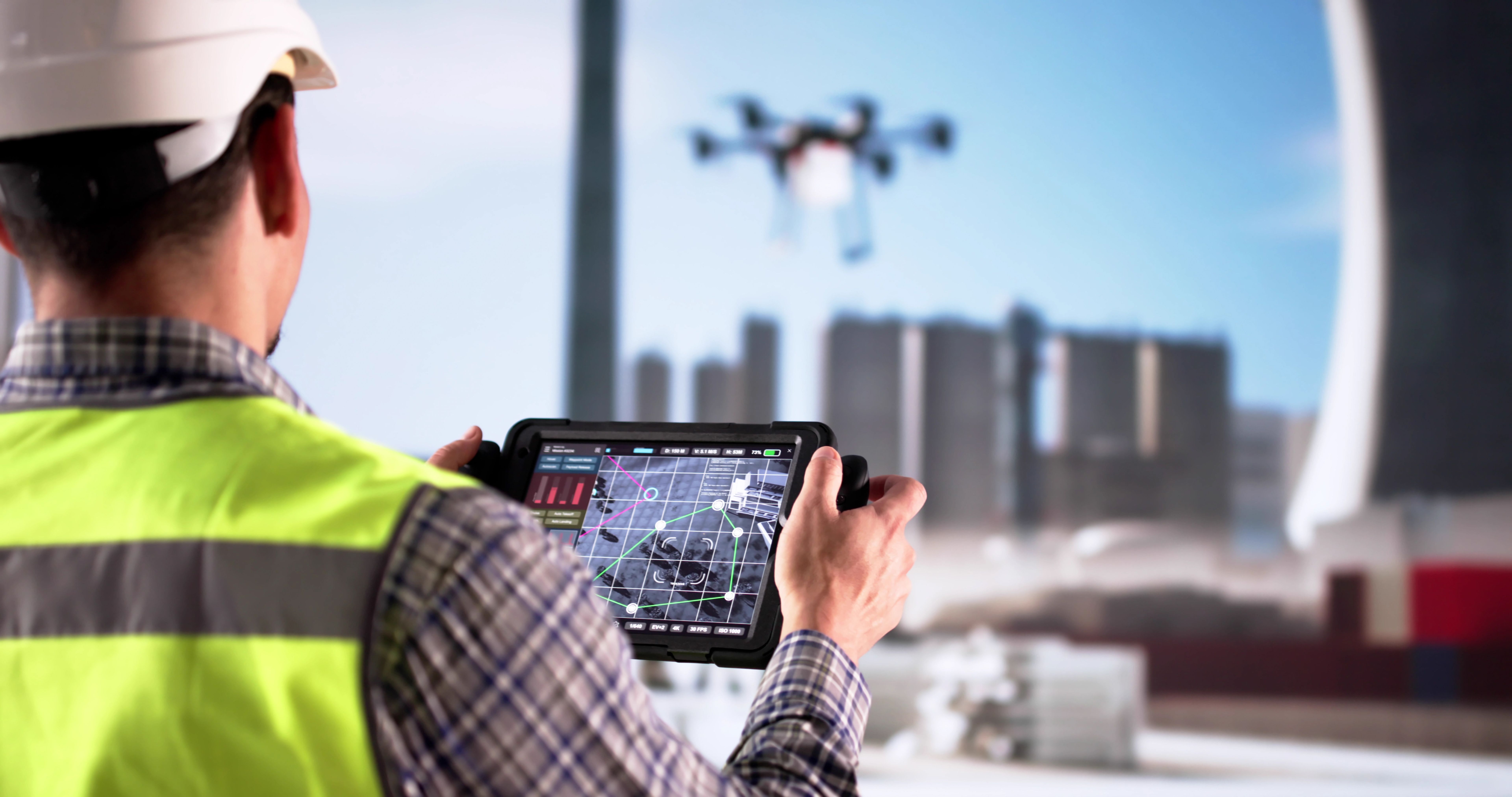
Speed and Efficiency in Data Collection
One of the most significant advantages of using drones in storm damage assessment is the speed at which they can collect data. Traditional methods often involve ground teams surveying damaged areas, which can be time-consuming and potentially dangerous. Drones can quickly cover large areas and access hard-to-reach locations, providing real-time information.
This rapid deployment is crucial in the aftermath of severe weather events, where time-sensitive decisions need to be made regarding relief efforts and resource allocation. The ability to gather data efficiently helps aid organizations and local governments respond more effectively.
Enhanced Accuracy and Detail
Drones are equipped with high-resolution cameras and sensors that capture detailed images and data. This level of precision is essential for accurately assessing the extent of damage to infrastructure, homes, and natural landscapes. Detailed aerial imagery can reveal structural damage, flooding, and other hazards that may not be visible from the ground.
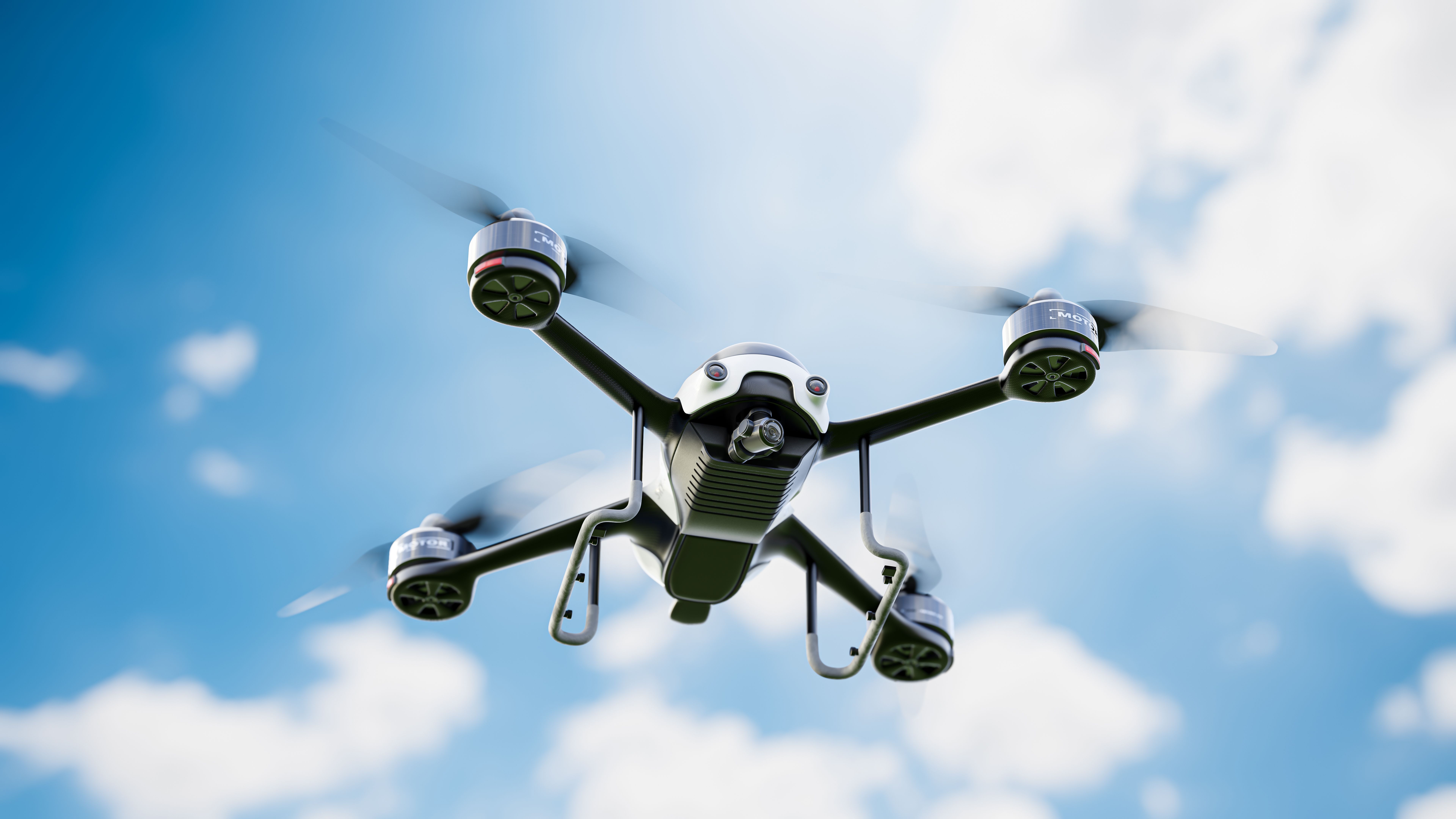
Additionally, drones can be fitted with thermal imaging cameras to detect heat signatures, which can be particularly useful in identifying fires or hotspots in the aftermath of a storm. This capability further enhances the accuracy of damage assessments and supports more informed decision-making.
Safety and Risk Reduction
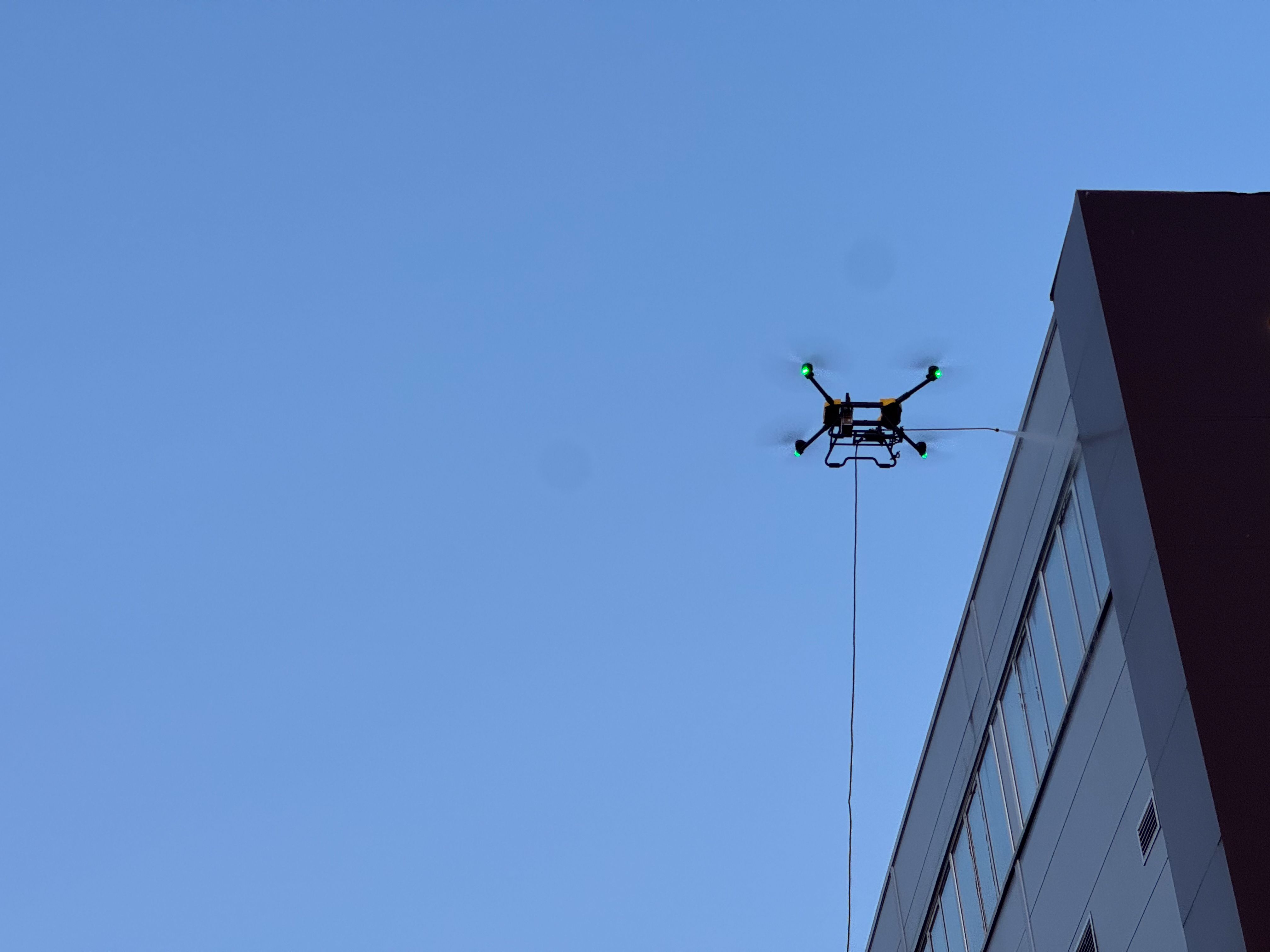
Conducting storm damage assessments can pose significant risks to human surveyors, especially in unstable or hazardous environments. Drones mitigate these risks by allowing assessments to be conducted remotely, reducing the need for personnel to enter dangerous areas.
This safety benefit is particularly important in scenarios where the structural integrity of buildings is compromised, or where there is a risk of electrical hazards. By minimizing human exposure to such risks, drones play a critical role in protecting personnel while still delivering essential data.
Cost-Effectiveness
Compared to traditional methods, using drones for storm damage assessment can be more cost-effective. They require fewer resources, such as manpower and equipment, and can complete assessments in a fraction of the time. This efficiency translates into reduced operational costs for organizations involved in disaster response and recovery.
Moreover, the ability to quickly evaluate damage means that resources can be allocated more effectively, ensuring that aid reaches the areas where it is most needed without unnecessary expenditure.
The Future of Drones in Disaster Management
As drone technology continues to evolve, their role in storm damage assessment is expected to expand. Innovations such as artificial intelligence and machine learning may enhance their capabilities, allowing for even more sophisticated data analysis and predictive modeling.
The integration of drones into broader disaster management strategies represents a significant step forward in our ability to respond to natural disasters. By providing critical insights with speed, accuracy, and safety, drones are revolutionizing how we assess and address storm damage worldwide.