How Drone Imaging is Revolutionizing Wildlife Management in Denton County

In recent years, drone imaging has emerged as a groundbreaking tool in wildlife management, offering new capabilities for monitoring and protecting animal populations. In Denton County, this technology is transforming the way conservationists and researchers approach wildlife management, providing valuable insights and enhancing conservation efforts.
Enhanced Monitoring Capabilities
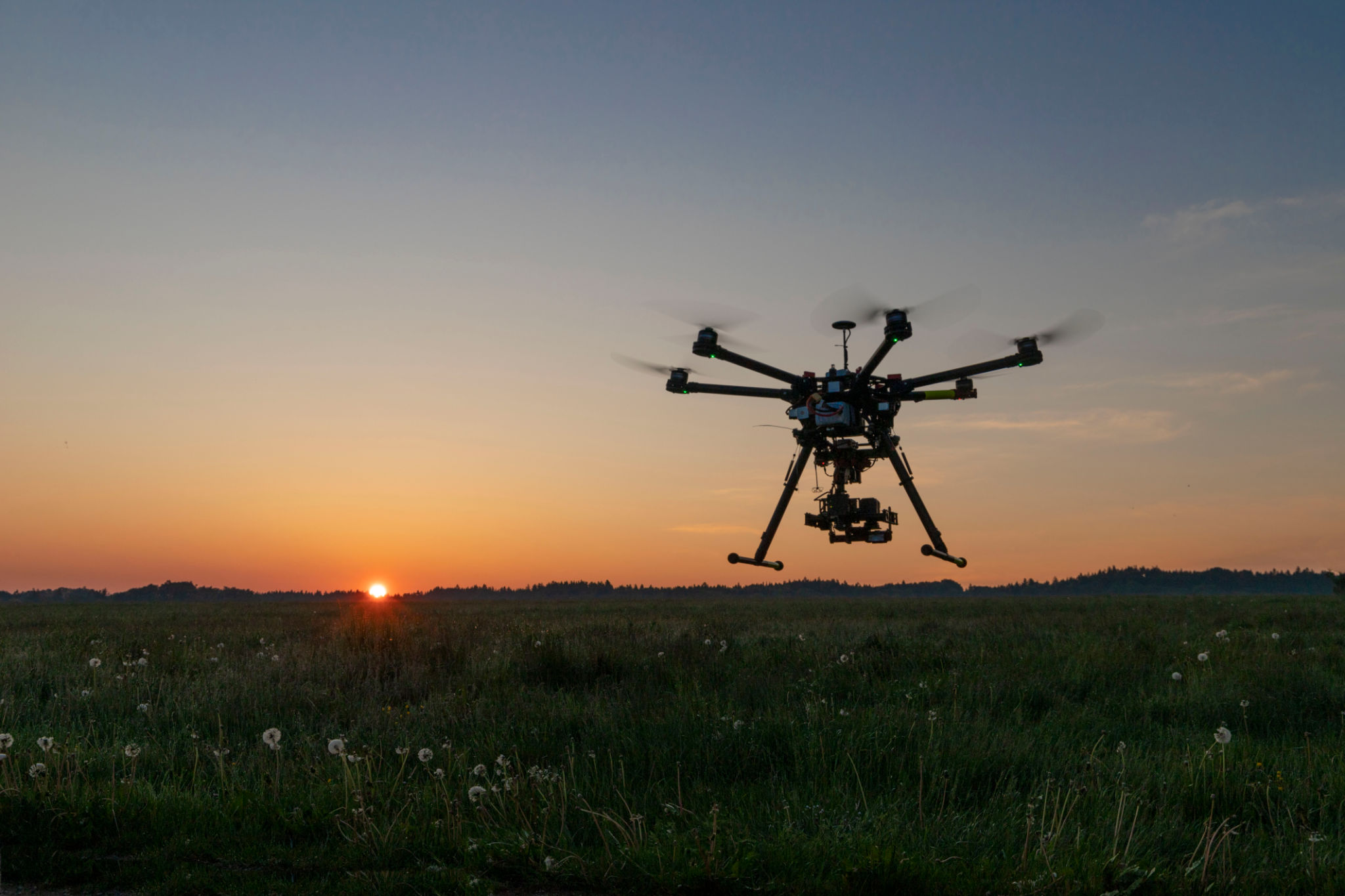
Drones equipped with high-resolution cameras and thermal imaging technology are allowing wildlife managers to monitor animal populations more effectively. These devices can cover large areas quickly and provide real-time data, making it easier to track movements and behaviors without disturbing the animals. This is particularly important in habitats where human presence could disrupt natural patterns.
For example, drones can be used to monitor nesting sites, track migration paths, and observe feeding habits from a safe distance. This non-invasive method is crucial for the well-being of sensitive species and helps gather data that was previously difficult to obtain.
Improving Conservation Strategies
With detailed aerial images and data, conservationists can develop more effective strategies for habitat preservation and restoration. Drones help identify areas that require intervention, such as regions affected by deforestation or pollution. This targeted approach ensures that resources are used efficiently, ultimately benefiting the wildlife and their ecosystems.
Moreover, drones can assist in identifying illegal activities like poaching or logging. By providing a bird’s-eye view of protected areas, these devices help authorities respond quickly to threats, enhancing the enforcement of conservation laws.

Facilitating Research and Education
The data collected by drones is invaluable for research purposes. Scientists can analyze the footage to study animal behavior, population dynamics, and ecological changes over time. This information is crucial for developing long-term conservation plans and understanding the impact of environmental changes on wildlife.
Additionally, drone imagery can be used for educational purposes, raising awareness about local wildlife and conservation efforts. Schools and community groups can benefit from visual materials that bring attention to the importance of preserving natural habitats and the species that inhabit them.

Challenges and Considerations
While the benefits of drone imaging in wildlife management are significant, there are also challenges to consider. Ensuring the privacy and safety of wildlife is paramount, and regulations must be in place to prevent misuse. Operators must adhere to guidelines to avoid disturbing animals, especially in sensitive areas.
Moreover, the initial investment in drone technology can be substantial. However, the long-term benefits and cost savings from more efficient monitoring and management efforts often justify the expense.
The Future of Wildlife Management
As technology advances, the potential for drones in wildlife management will continue to grow. Innovations such as AI-powered image analysis and improved battery life will enhance the capabilities of drones, allowing for even more comprehensive data collection and analysis.
In Denton County, the integration of drone technology into wildlife management practices is a promising development that could serve as a model for other regions. By harnessing the power of drone imaging, we can ensure a more sustainable future for both wildlife and their habitats.