How Aerial Imaging Transforms Roof Inspections for Insurance Claims in DFW

In the rapidly evolving world of technology, aerial imaging has become a game-changer, especially in the realm of roof inspections for insurance claims in the Dallas-Fort Worth (DFW) area. Traditionally, roof inspections required manual checks, which were not only time-consuming but also posed safety risks. With the advent of aerial imaging, these challenges are being effectively addressed.
Enhancing Accuracy and Detail
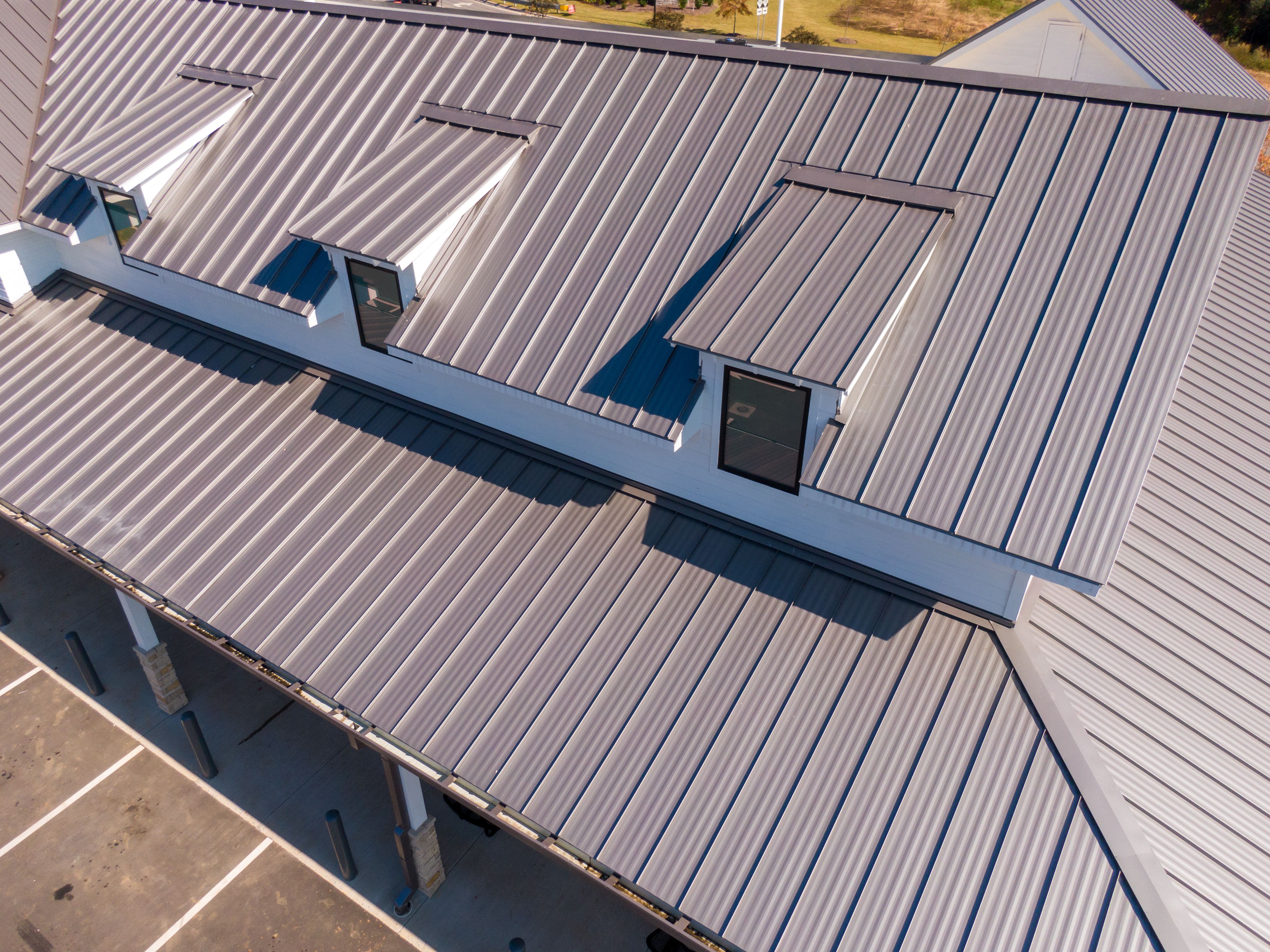
Aerial imaging provides a bird’s-eye view of rooftops, allowing inspectors to capture high-resolution images that reveal intricate details. This level of detail is crucial when assessing damage for insurance claims. By using drones equipped with advanced cameras, inspectors can pinpoint specific areas of concern, ensuring that nothing is overlooked.
Moreover, aerial imaging minimizes human error. Traditional inspections might miss hidden damages, but aerial technology offers comprehensive coverage, leaving no stone unturned. This enhances the accuracy of the assessments and helps in creating more reliable reports for insurance purposes.
Improving Safety Measures
One of the significant advantages of using aerial imaging is the enhanced safety it offers. Inspectors no longer need to climb onto roofs, which reduces the risk of accidents and injuries. This is especially important in DFW, where weather conditions can make roofs slippery and hazardous.
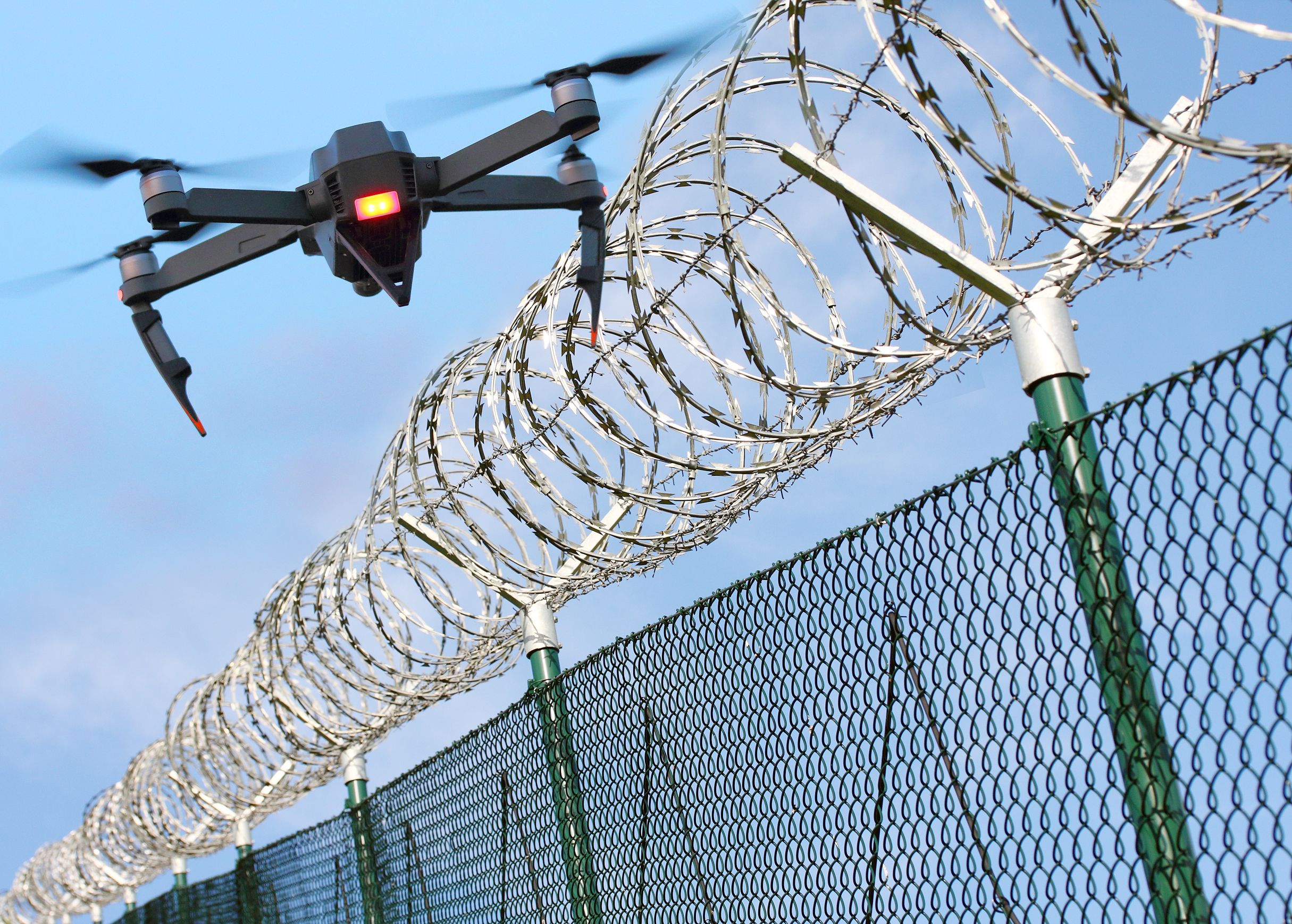
By utilizing drones, companies can ensure the safety of their employees while still delivering precise inspection results. This not only benefits the inspectors but also provides peace of mind to homeowners, knowing that their property is being assessed without risk.
Efficiency and Cost-Effectiveness
Aerial imaging is not only safer but also more efficient. Drones can cover large areas in a fraction of the time it takes for manual inspections. This speed translates to faster processing of insurance claims, benefiting both insurers and policyholders.
From a cost perspective, aerial imaging reduces the need for extensive labor and equipment. By cutting down on time and resources, insurance companies can offer more competitive rates and services to their clients.
Data Integration and Analysis
Another transformative aspect of aerial imaging is the ability to integrate data with advanced software. The images captured can be processed using specialized programs that analyze the extent of damage and generate detailed reports. This integration allows for more informed decision-making and supports the claims process with solid evidence.
In the DFW area, where severe weather conditions can lead to frequent insurance claims, having access to precise data and comprehensive reports is invaluable. It ensures that all stakeholders are on the same page and that claims are handled swiftly and fairly.
Conclusion
The introduction of aerial imaging in roof inspections for insurance claims is revolutionizing the industry in DFW. By enhancing accuracy, improving safety, boosting efficiency, and enabling detailed data analysis, aerial technology is setting a new standard for how inspections are conducted. As this technology continues to advance, it is likely to become an indispensable tool for insurers and homeowners alike.