Exploring the Latest Trends in Drone Technology for Aerial Imaging Services

Introduction to Drone Technology
The world of drone technology has been evolving at a rapid pace, especially in the realm of aerial imaging services. These advancements have opened up new possibilities for industries ranging from agriculture to filmmaking. As we delve into the latest trends, it's clear that drone technology is reshaping how we capture and analyze the world from above.
One of the most significant trends is the integration of advanced sensors and cameras. Drones are now equipped with high-resolution imaging systems, providing unparalleled clarity and detail. This technological leap allows professionals to capture stunning visuals and gather critical data for analysis.
Enhanced Autonomous Capabilities
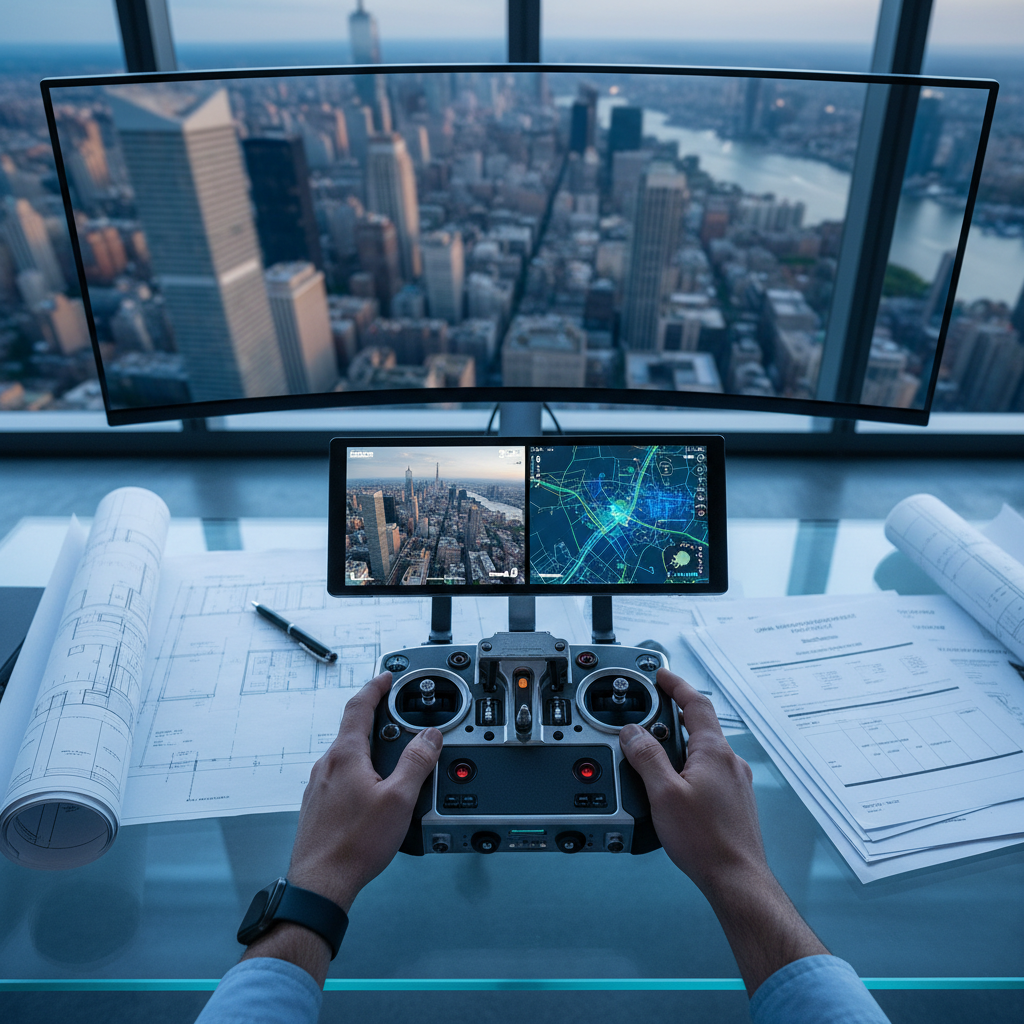
Another trend making waves is the enhancement of autonomous capabilities. Modern drones are increasingly able to operate independently, thanks to sophisticated AI and machine learning algorithms. These systems enable drones to navigate complex environments, avoid obstacles, and follow predefined flight paths with minimal human intervention.
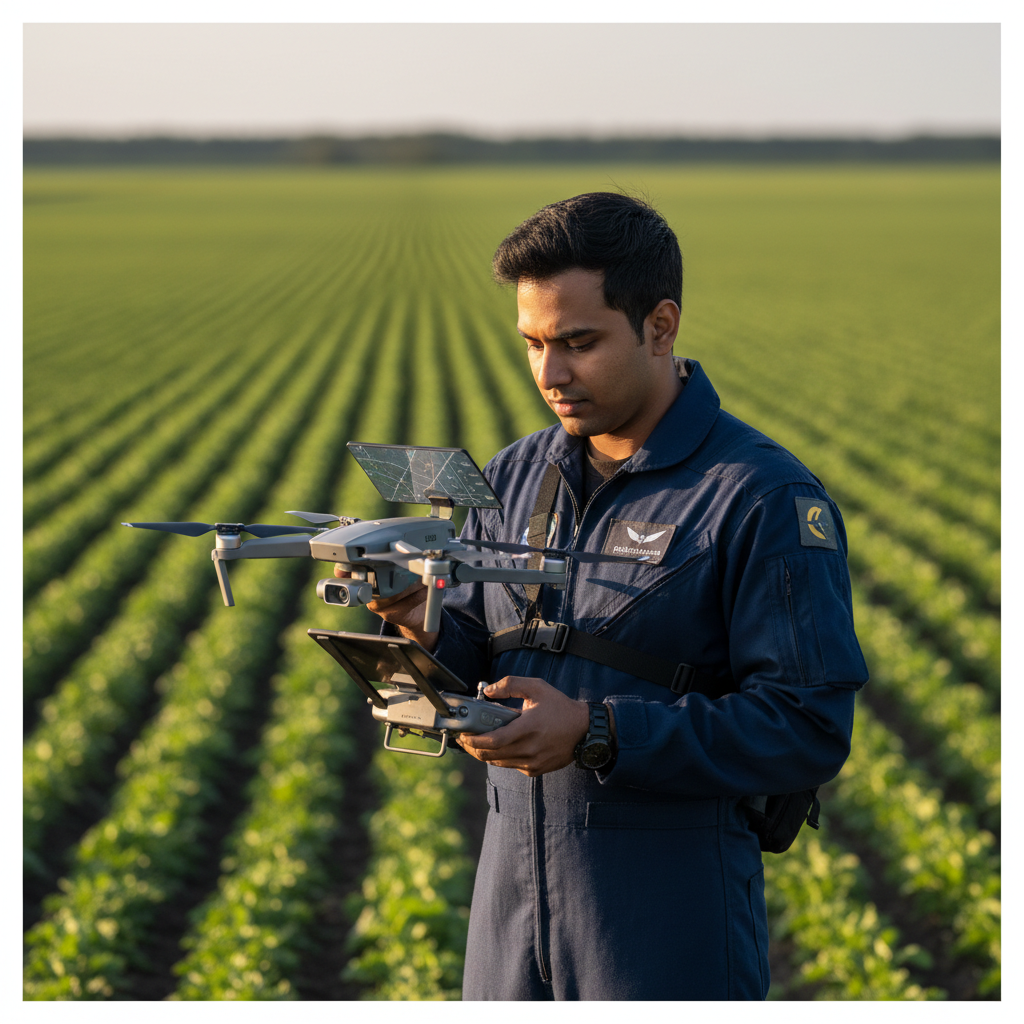
This autonomy not only increases efficiency but also opens doors to new applications. For instance, in agriculture, drones can autonomously monitor crop health and provide real-time data to farmers, optimizing resource management and yield.
Real-Time Data Transmission
Real-time data transmission has become a cornerstone of aerial imaging services. With the integration of 5G technology, drones can now transmit high-definition video and data instantly. This capability is particularly valuable in industries such as emergency response and infrastructure inspection, where timely information is crucial.
Environmental and Safety Considerations
As drone technology continues to advance, there is a growing focus on environmental and safety considerations. Manufacturers are developing quieter and more energy-efficient drones, reducing noise pollution and conserving energy. These innovations ensure that drones are not only effective but also environmentally responsible.
Moreover, safety protocols are being enhanced with features like geofencing and collision avoidance systems. These advancements help prevent accidents and ensure that drones operate safely in populated areas.
Regulatory Developments
The rapid growth of drone technology has also led to significant regulatory developments. Governments worldwide are establishing frameworks to manage the integration of drones into airspace. These regulations are designed to ensure safety while promoting innovation and commercial use.
Future Prospects in Aerial Imaging
Looking ahead, the future of drone technology in aerial imaging services is promising. With continuous advancements in AI, sensor technology, and battery life, drones are set to become even more powerful tools for capturing and analyzing data. The potential applications are vast, from urban planning to wildlife conservation.
As these technologies continue to evolve, industries must stay informed and adaptable. Embracing the latest trends in drone technology will not only enhance operational efficiency but also unlock new opportunities for growth and innovation.