Exploring Advanced Drone Inspection Technology for Solar Panels


The Rise of Drone Technology in Solar Panel Inspections
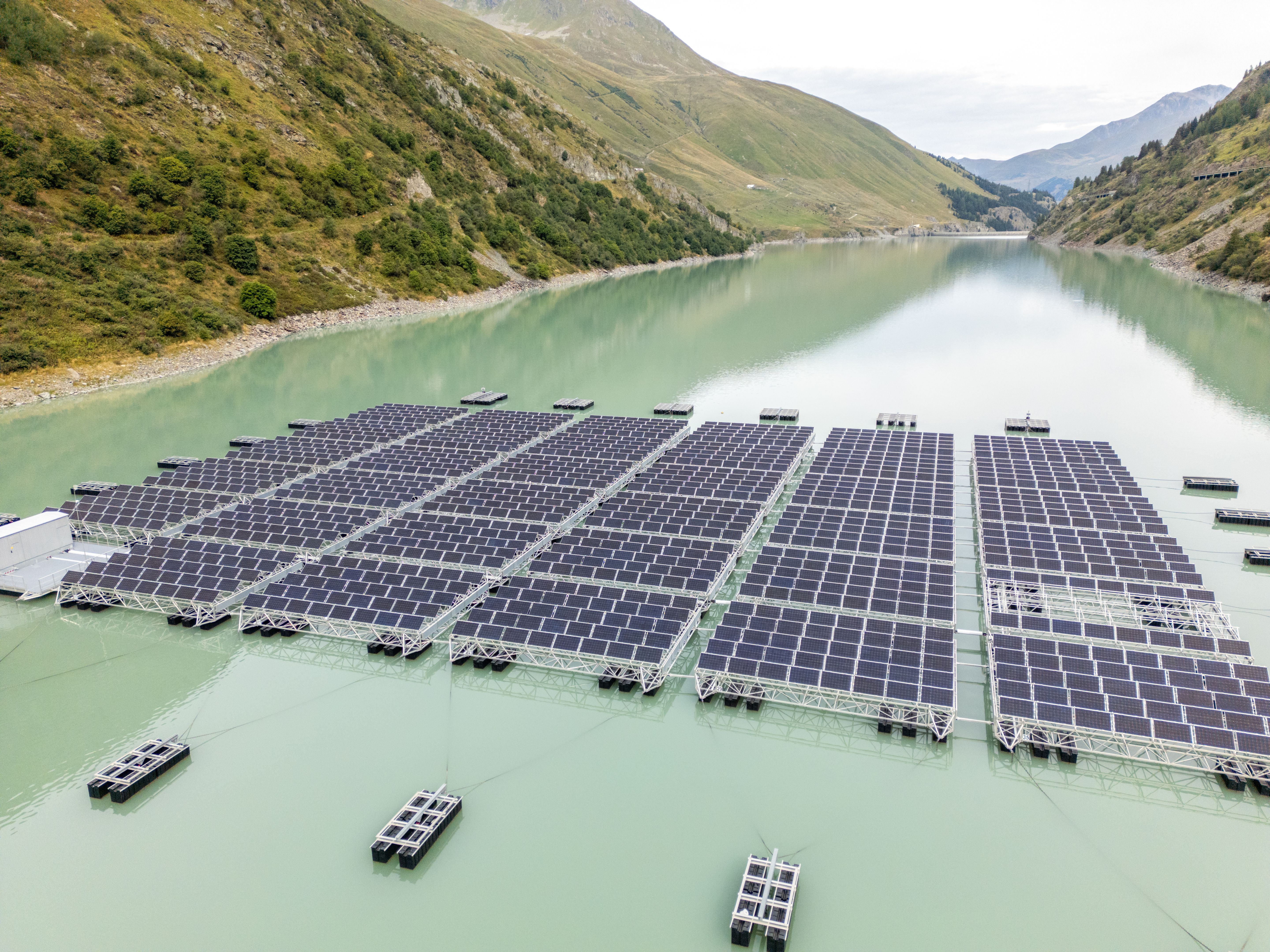
The adoption of drone technology for solar panel inspections is revolutionizing the way solar farms are maintained and monitored. As the demand for renewable energy resources grows, ensuring the efficiency and longevity of solar panels becomes crucial. Drones offer a cutting-edge solution that is both efficient and cost-effective, making them an invaluable tool in the solar industry.
Traditionally, solar panel inspections required manual labor, which could be time-consuming and risky. Drones, however, can cover large areas in a fraction of the time, providing real-time data and high-resolution imagery. By employing advanced imaging technologies, drones can detect issues such as hotspots, cracks, or dirt accumulation that might affect the performance of the panels.
Advanced Imaging Technology
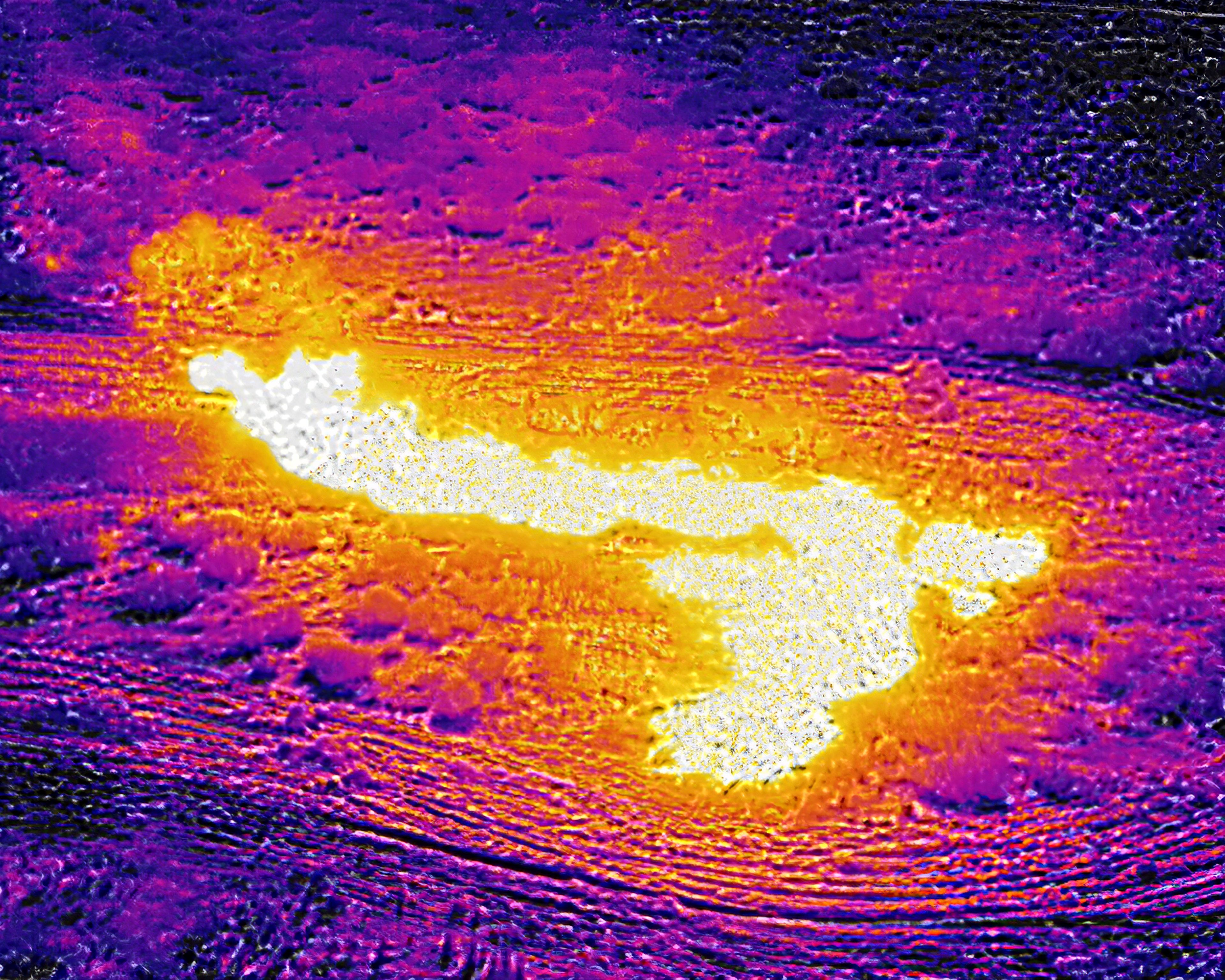
One of the key features of drone inspections is the use of advanced imaging technology. Thermal imaging cameras mounted on drones can identify temperature variations across the panel surface. Hotspots detected through thermal imaging can indicate potential issues such as faulty cells or electrical imbalances, allowing for swift corrective action before significant problems develop.
Additionally, drones equipped with high-resolution cameras can capture detailed images of the panels. These images provide valuable insights into the condition of the panels and can be used to monitor changes over time. This ability to track and analyze data helps in predictive maintenance, ultimately enhancing the overall efficiency and lifespan of solar installations.
Efficiency and Cost-Effectiveness
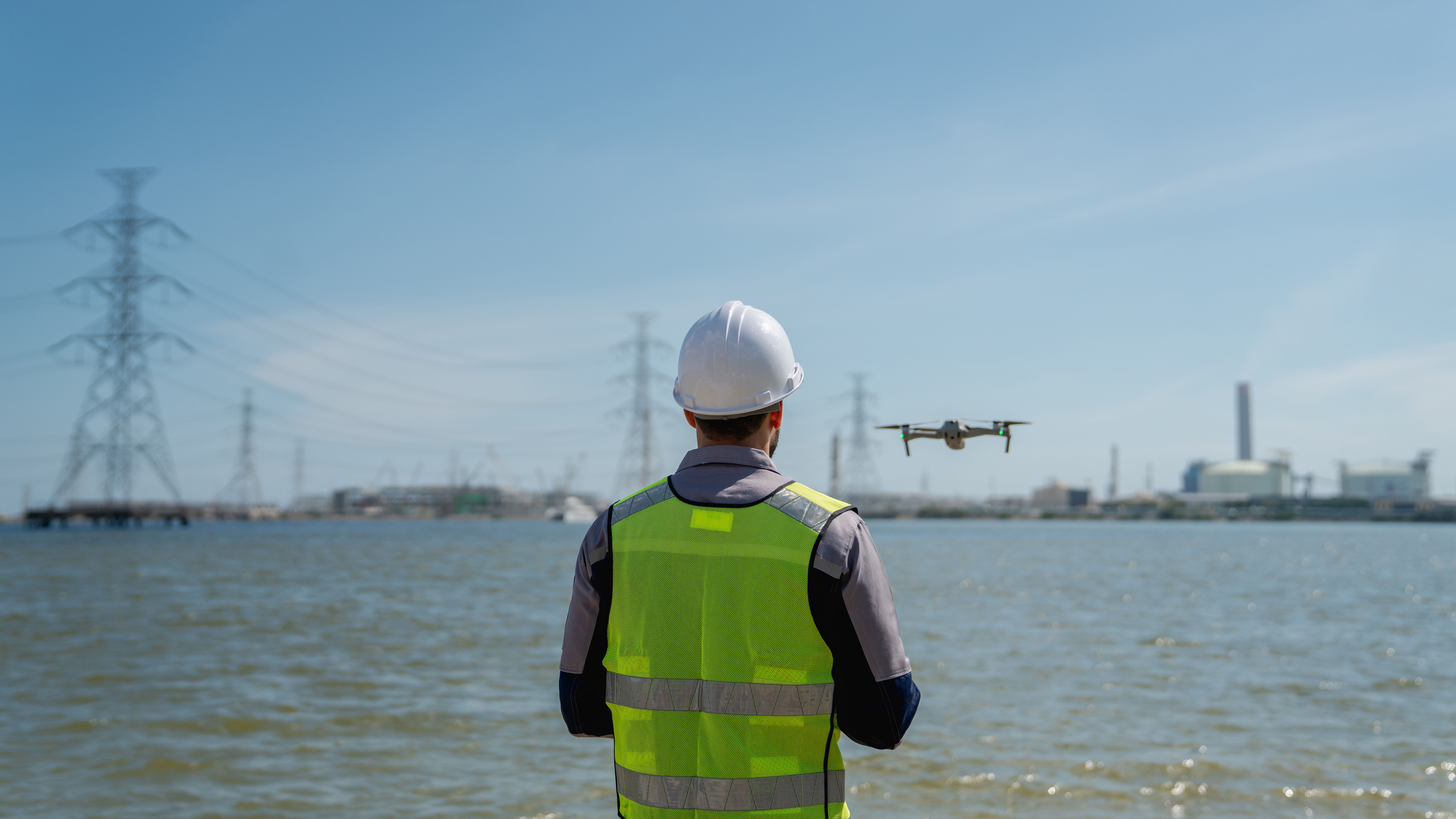
Utilizing drones for solar panel inspections is not only faster but also more cost-effective compared to traditional methods. The reduction in human labor needed for inspections translates to lower operational costs, making it a financially viable option for large-scale solar farms. In addition, drones minimize downtime, as they can quickly identify issues that might otherwise require longer inspection times.
By reducing the need for scaffolding or cherry pickers, drones also decrease the risks associated with working at heights. This enhances safety for personnel and reduces insurance costs related to inspection activities.
Data Analysis and Reporting
The data collected by drones during solar panel inspections is invaluable for maintenance teams and stakeholders. Drones can collect vast amounts of data quickly and accurately, which can then be analyzed using specialized software. This analysis provides insights into panel performance, potential faults, and areas requiring attention.
Moreover, detailed reports generated from drone data allow for informed decision-making regarding maintenance schedules and resource allocation. This proactive approach to maintenance helps prevent costly repairs and ensures optimal panel performance.
Environmental Benefits
Beyond efficiency and cost savings, drone inspections offer environmental benefits. By increasing the accuracy and frequency of inspections, drones help ensure that solar panels operate at peak efficiency, maximizing energy production from renewable sources. This contributes to reducing carbon footprints and promoting sustainable energy practices.
Furthermore, drones have minimal environmental impact themselves, as they require less energy to operate compared to traditional inspection methods. This aligns with the broader goals of sustainability and environmental responsibility within the renewable energy sector.
The Future of Drone Inspections in Solar Energy
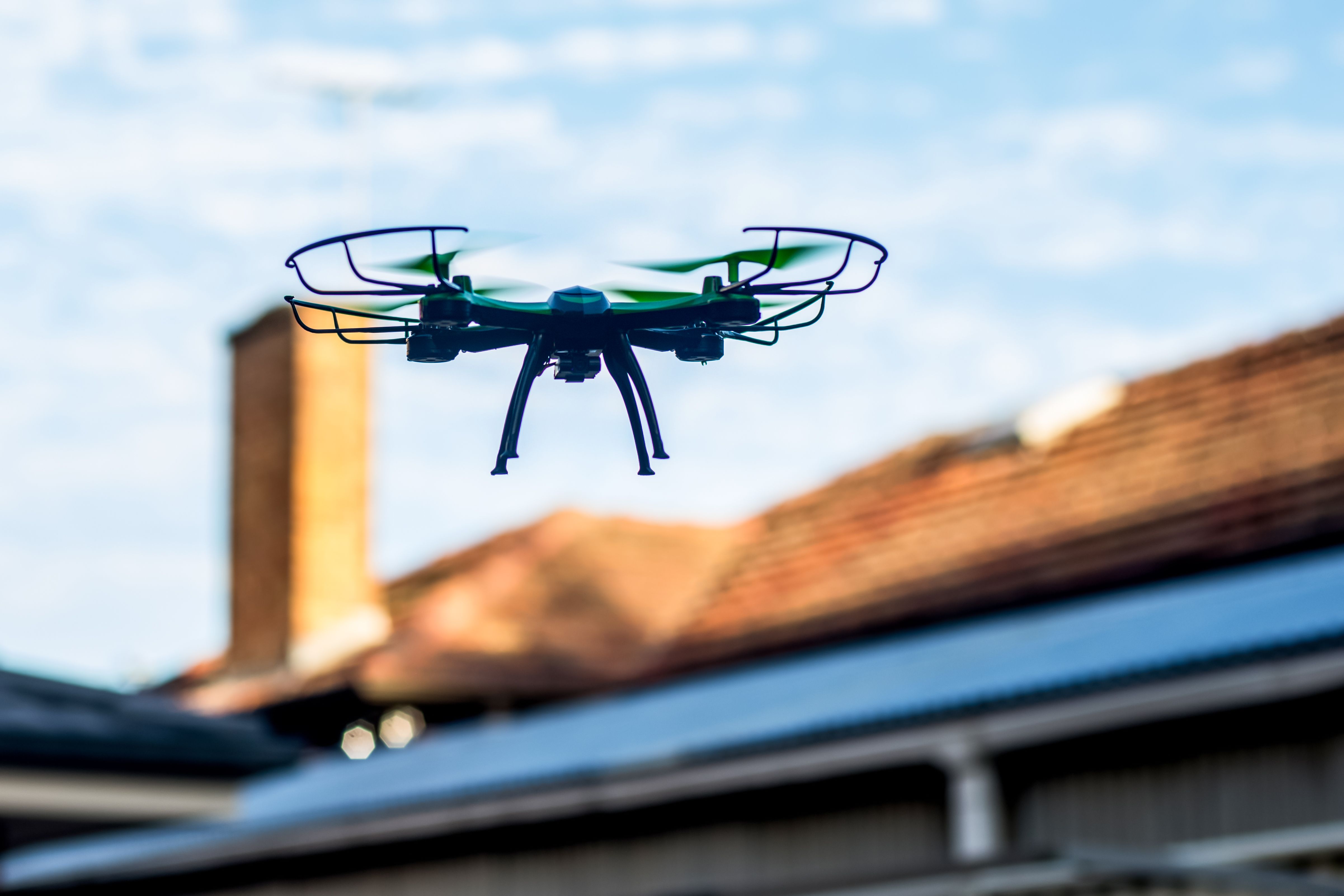
As drone technology continues to evolve, its applications in the solar industry are expected to expand even further. Innovations such as artificial intelligence (AI) and machine learning are being integrated into drone systems to enhance their analytical capabilities. These advancements will allow for even more precise assessments and predictive maintenance strategies.
In conclusion, advanced drone inspection technology represents a significant leap forward in maintaining and optimizing solar panel installations. By enhancing efficiency, reducing costs, and promoting sustainability, drones are set to play an increasingly vital role in the future of solar energy management.