DIY vs. Professional Drone Inspections: What Homeowners Need to Know

Understanding Drone Inspections
With the rise of drone technology, homeowners now have the option to conduct aerial inspections of their properties. These inspections can be done either as a DIY project or by hiring professional services. Understanding the differences between these two approaches is essential for making an informed decision that suits your needs.
Drones provide a unique vantage point, allowing for thorough inspections of roofs, gutters, chimneys, and other hard-to-reach areas. They can capture high-resolution images and videos, helping to identify issues that may not be visible from the ground.
Pros and Cons of DIY Drone Inspections
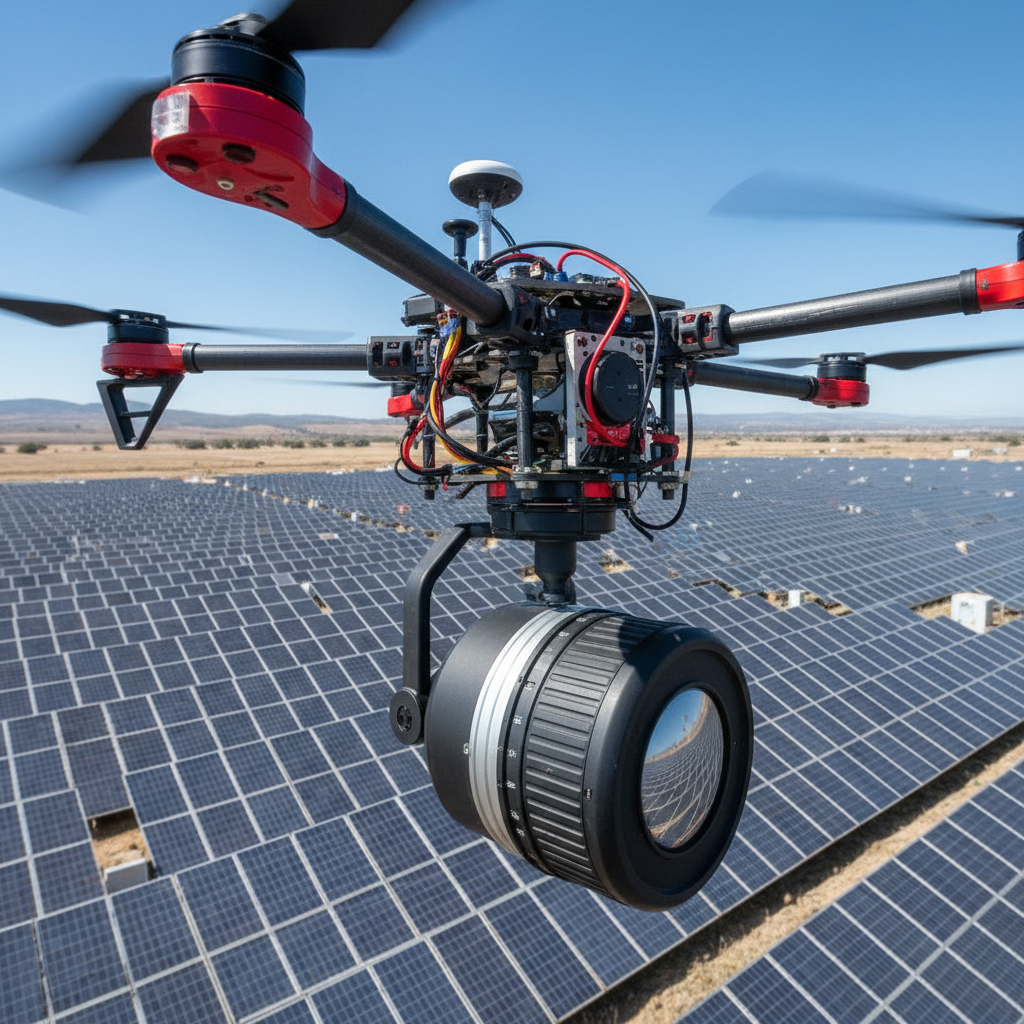
Opting for a DIY drone inspection can be appealing due to its cost-effectiveness and flexibility. By purchasing or renting a drone, homeowners can conduct inspections on their schedule without the need to coordinate with a service provider.
However, DIY inspections come with challenges. Operating a drone requires skill and practice, especially to navigate tight spaces or around obstacles. There may also be legal regulations regarding drone usage in residential areas that must be adhered to.
Advantages of Professional Drone Inspections
Professional drone inspection services offer several benefits that might outweigh the DIY approach for some homeowners. These companies employ experienced pilots who are skilled at maneuvering drones safely and efficiently. They also use advanced equipment that might be beyond the reach of a typical consumer-grade drone.
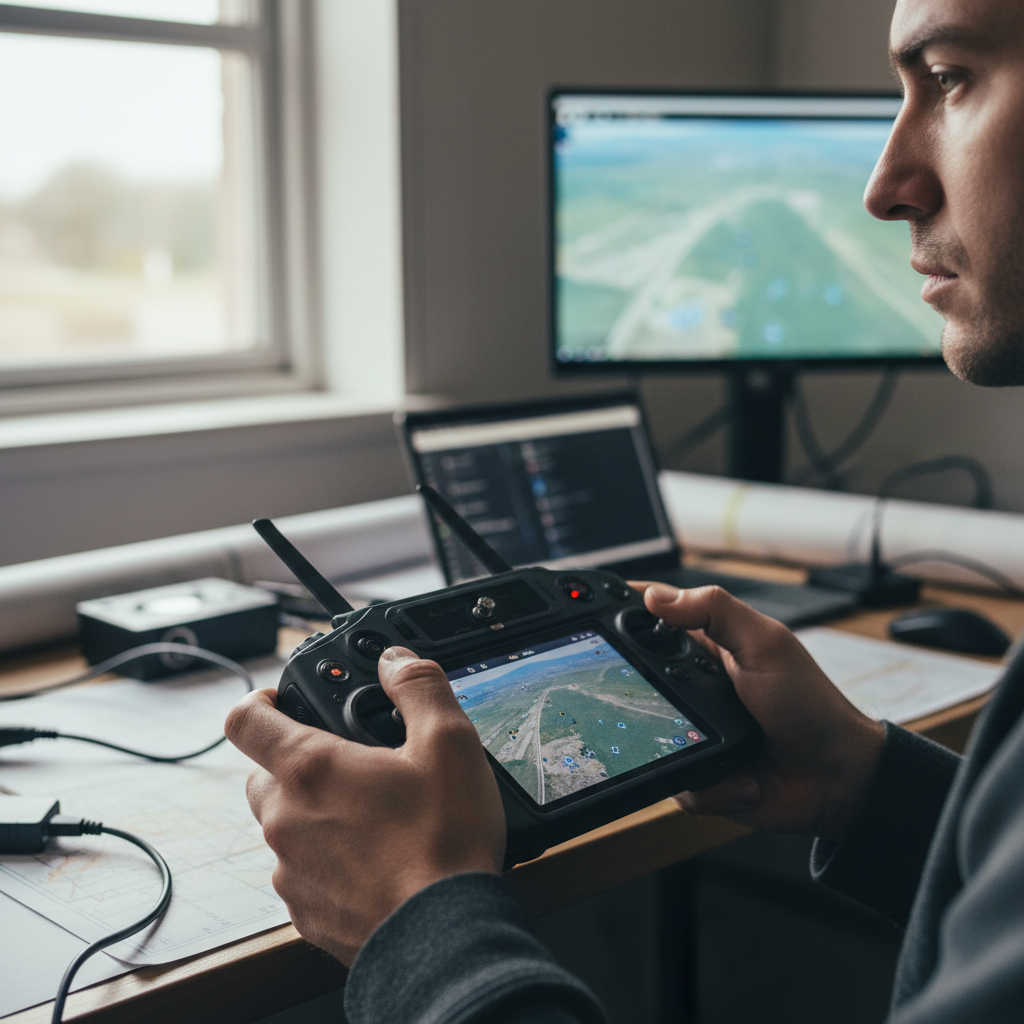
Moreover, professionals can provide detailed reports and insights based on the data collected, which can be crucial for identifying issues like roof damage, structural weaknesses, or pest infestations.
Safety and Compliance Considerations
Safety is a significant concern when it comes to drone inspections. Professionals are trained to handle drones safely, reducing the risk of accidents or damage to property. They are also familiar with local regulations, ensuring compliance with laws governing drone flights.
For DIY enthusiasts, understanding and following these regulations is critical to avoid fines or legal issues. Proper training and adherence to safety guidelines are essential to conducting a successful DIY inspection.

Cost Considerations
The cost of professional drone inspections can vary widely based on the size of the property and the complexity of the inspection required. While this might be a more significant upfront investment compared to a DIY approach, the insights and peace of mind provided can be worth the expense.
On the other hand, the initial investment in purchasing a drone for personal use can also be substantial. Additionally, ongoing costs may include maintenance, repairs, and potential upgrades to keep the equipment up to date.
Making the Right Choice
The decision between DIY and professional drone inspections depends on several factors, including budget, personal skill level, and the specific needs of the property. Homeowners should weigh the potential risks and benefits of each approach to determine the best fit for their situation.
Whether opting for DIY or professional services, drone inspections offer an innovative way to maintain and protect your home. By making an informed choice, homeowners can leverage this technology to ensure their property remains in excellent condition.