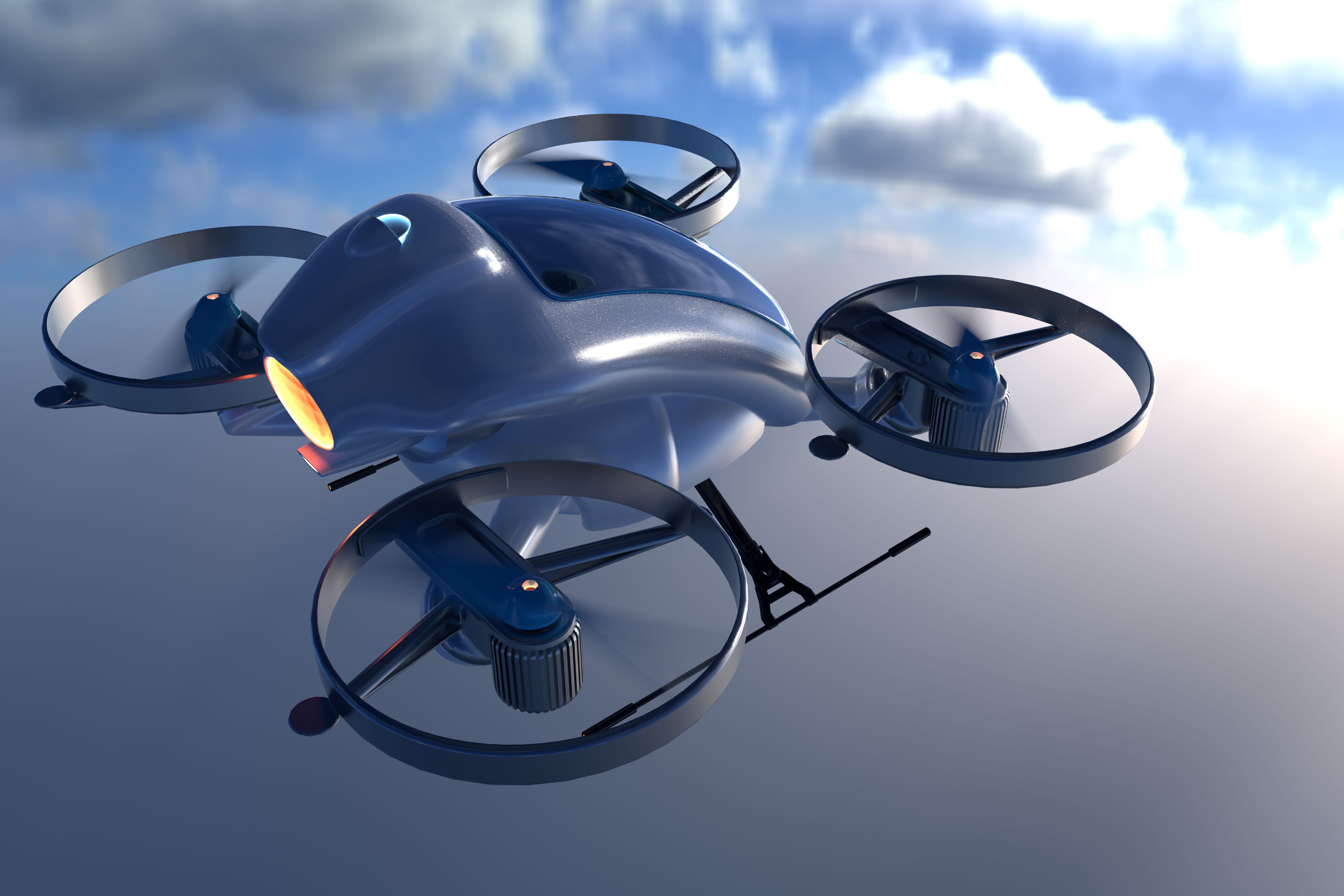
Demystifying Drone Inspections: Addressing Common Misconceptions and FAQs

Understanding Drone Inspections
In recent years, drone inspections have become a game-changer across various industries, offering a revolutionary way to gather data and inspect hard-to-reach areas. However, despite their growing popularity, several misconceptions still exist about the effectiveness and practicality of drone inspections. This post aims to address these misconceptions and provide clear answers to frequently asked questions.
What Are Drone Inspections?
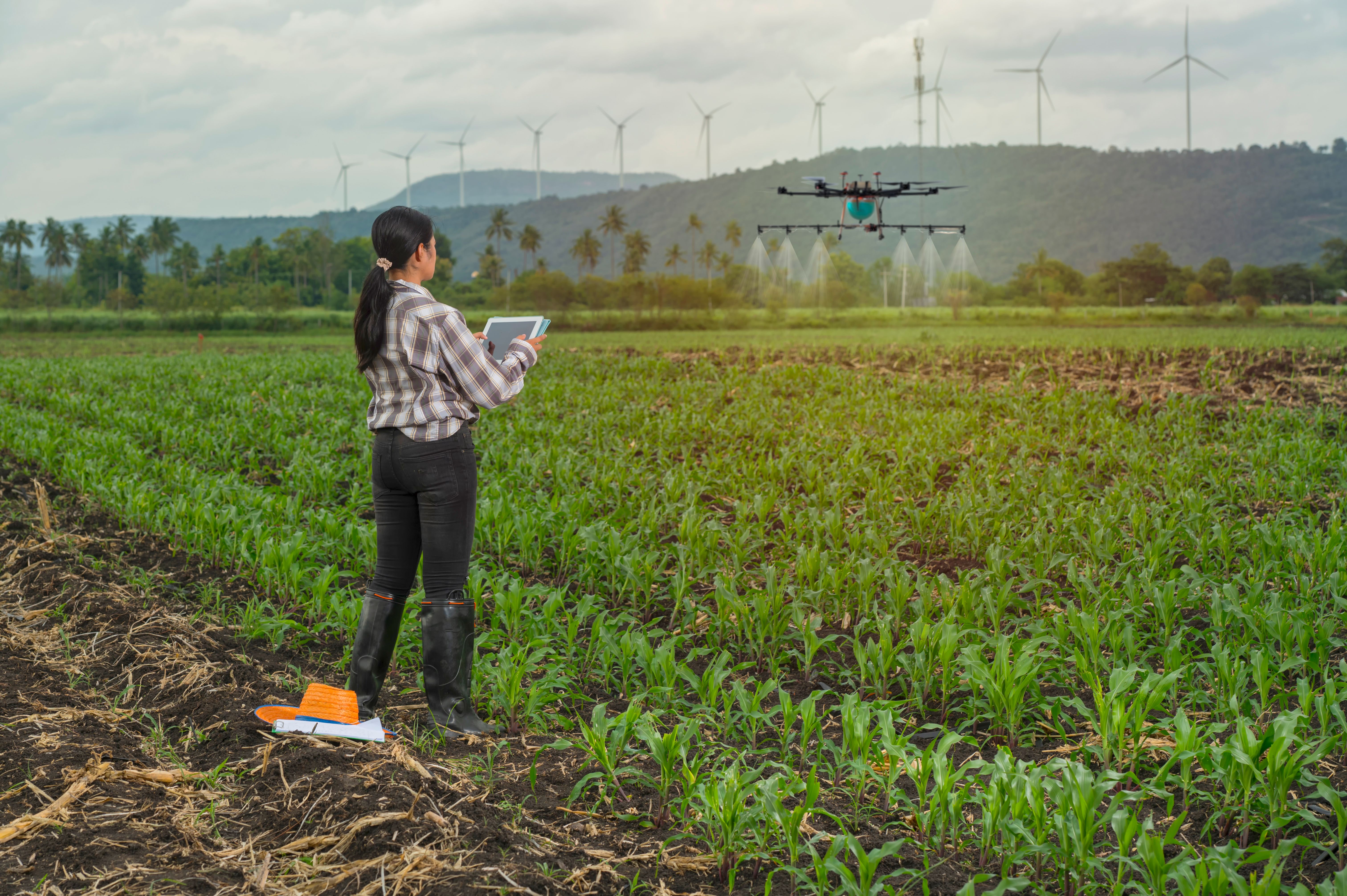
Drone inspections involve the use of unmanned aerial vehicles (UAVs) to capture detailed images and videos of structures, landscapes, and various assets. These aerial inspections provide a comprehensive view that traditional methods often can't achieve, making them invaluable for industries such as construction, agriculture, and energy.
One common misconception is that drone inspections are only suitable for large-scale operations. In reality, they are incredibly versatile and can be tailored to fit small businesses and individual projects as well.
Debunking Common Misconceptions
Myth: Drones Are Too Expensive
Many believe that deploying drones for inspections is prohibitively expensive. While initial setup costs can be significant, the overall cost-effectiveness of drone inspections often surpasses traditional methods. Drones reduce the need for scaffolding, cranes, and extensive labor, leading to significant savings in the long run.
Myth: Drones Compromise Data Accuracy
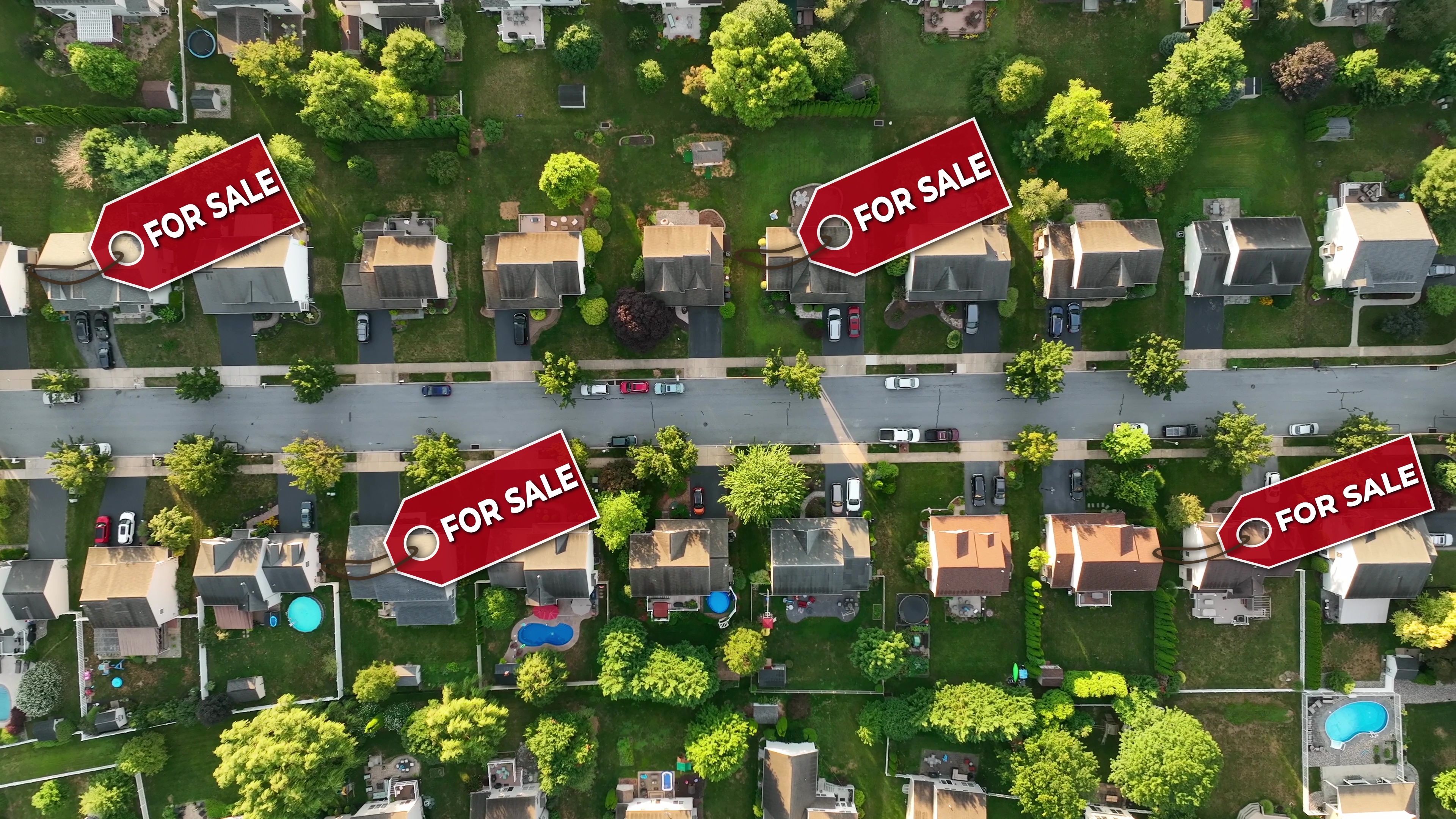
Another misconception is that drones cannot provide accurate data. On the contrary, drones equipped with high-resolution cameras and sensors can capture precise measurements and detailed imagery. Advanced software further enhances data accuracy through processing and analysis, delivering results that are often more reliable than manual inspections.
Frequently Asked Questions
How Safe Are Drone Inspections?
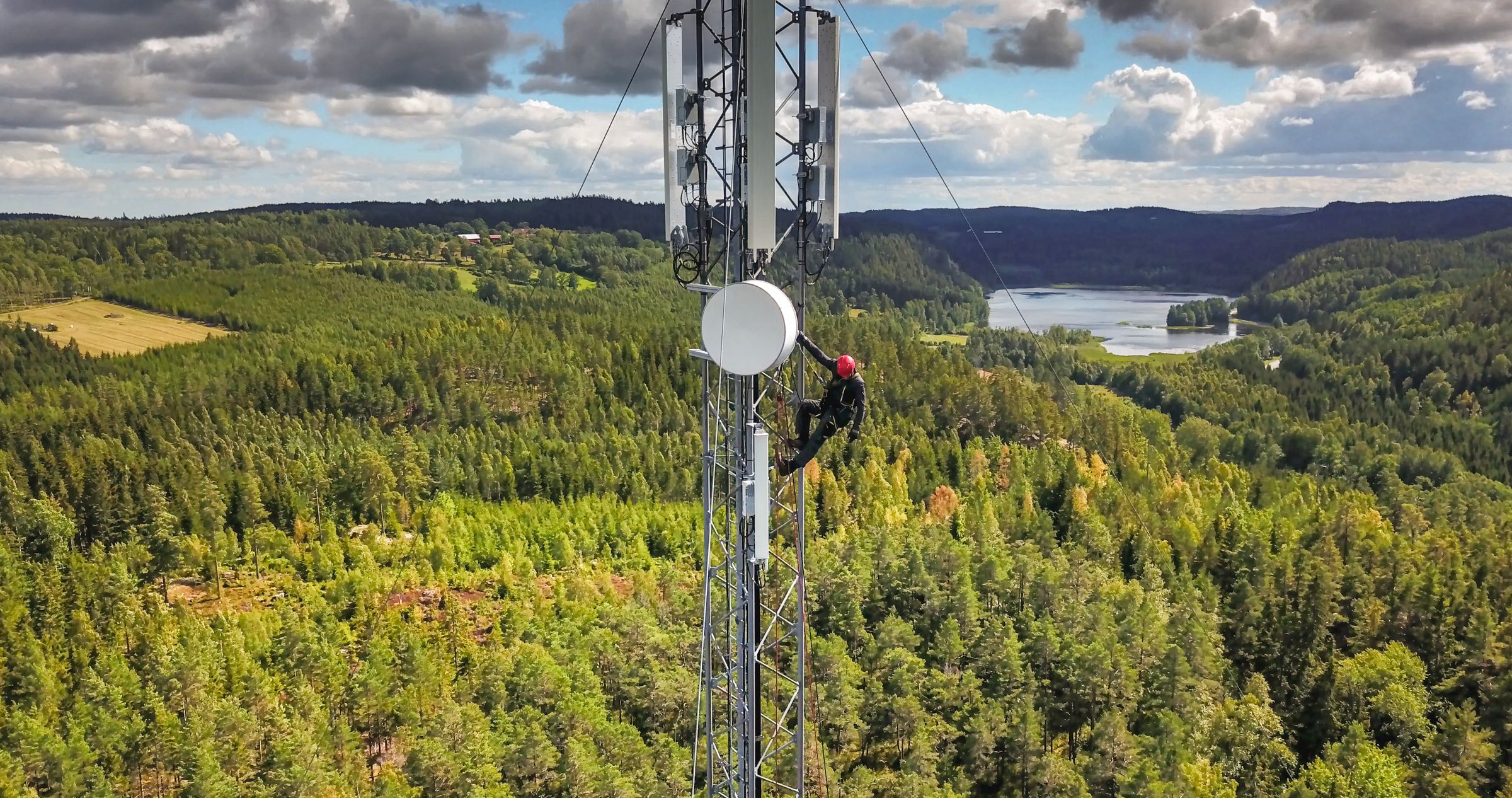
Safety is a top priority in any inspection process. Drones minimize risks by reducing the need for human workers in hazardous environments. Operators can control drones from a safe distance, significantly lowering the chance of accidents and ensuring compliance with safety regulations.
What Are the Limitations of Drone Inspections?
While drones are highly effective, they do have limitations. Weather conditions such as strong winds or rain can affect flight stability and data quality. Additionally, regulatory restrictions may apply in certain areas, requiring operators to obtain permits before conducting inspections.
The Future of Drone Inspections
The future of drone inspections looks promising with advancements in technology continuously enhancing their capabilities. Innovations such as AI integration and improved battery life are set to further increase efficiency and reduce costs.
As industries continue to embrace this technology, it is essential to stay informed and dispel myths surrounding its use. By understanding and leveraging drone inspections, businesses can unlock new opportunities for growth and efficiency.