Debunking Myths About Thermal Imaging with Drones

Understanding Thermal Imaging with Drones
As technology evolves, so does the application of thermal imaging, especially when integrated with drones. Despite its growing popularity, several myths and misconceptions surround this innovative technology. Let's explore and debunk some of the most common myths about thermal imaging with drones.
Myth 1: Thermal Imaging Can See Through Walls
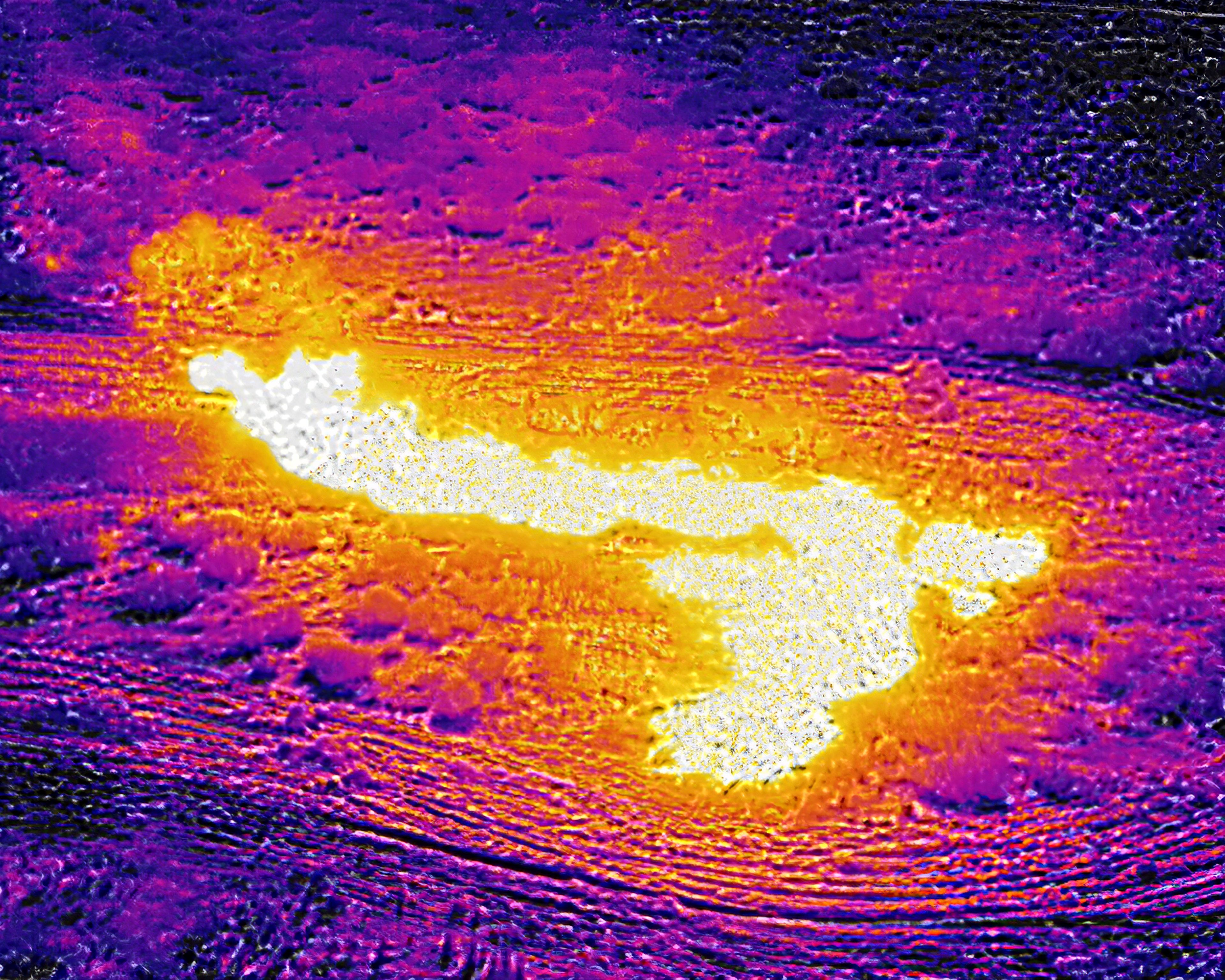
One of the most prevalent myths is that thermal imaging can see through walls. In reality, thermal cameras detect surface temperatures, not what's behind solid structures. They are excellent for identifying heat signatures on the exterior of buildings, which can indicate insulation issues or electrical faults, but they cannot provide images of the interior through walls.
Myth 2: Thermal Cameras Work Like Night Vision
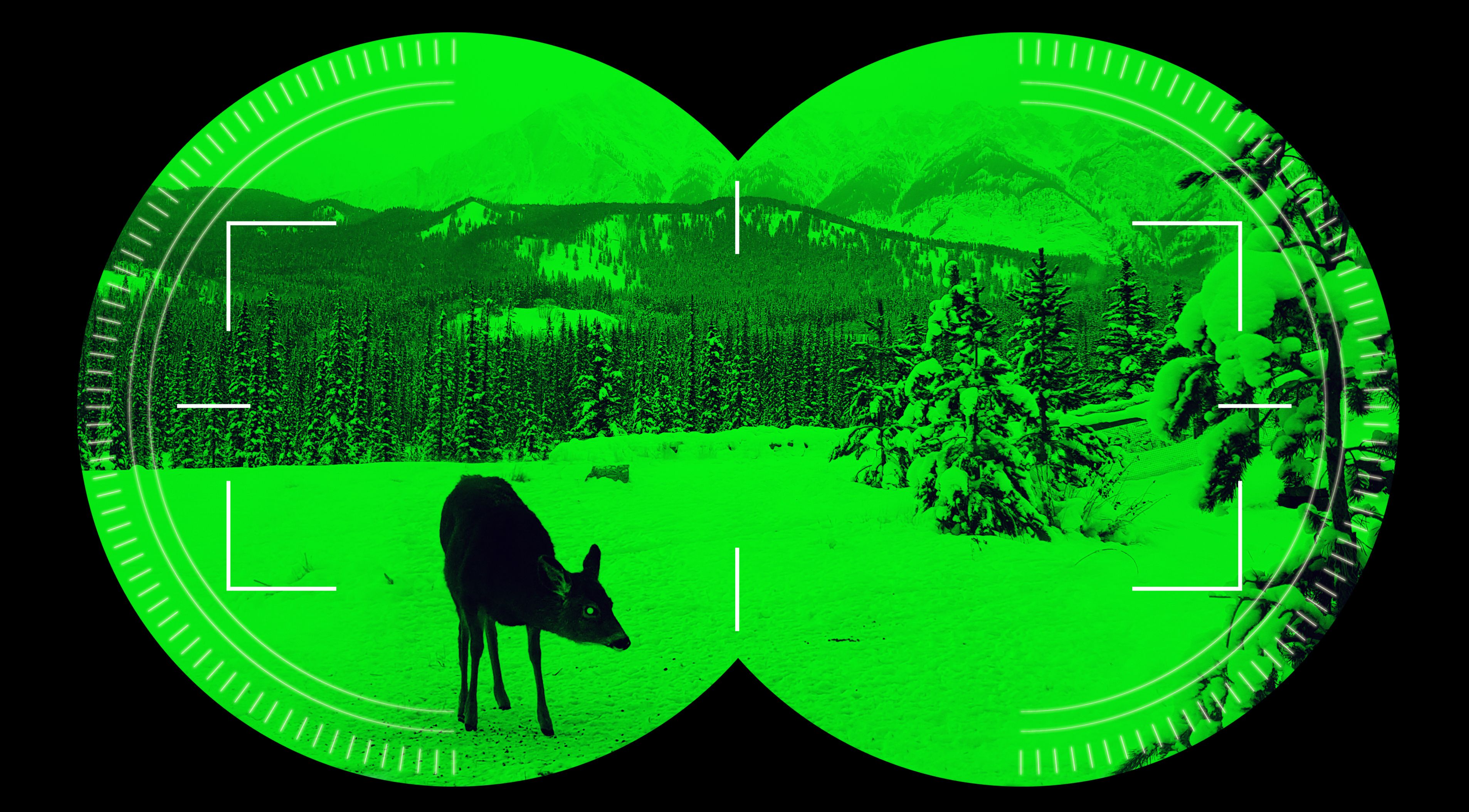
Another misconception is that thermal cameras operate like night vision devices. While both technologies enhance visibility in low-light conditions, they do so differently. Night vision amplifies light, whereas thermal imaging detects heat emitted by objects, making it effective in complete darkness or adverse weather conditions.
The Functionality of Thermal Drones
Myth 3: All Drones Can Be Equipped with Thermal Cameras
Not every drone can carry a thermal camera. The drone must be specifically designed or adapted to support the additional weight and power requirements. Specialized drones are built to integrate with thermal imaging equipment, ensuring stability and accurate data collection.
Myth 4: Thermal Imaging Is Only for Military Use
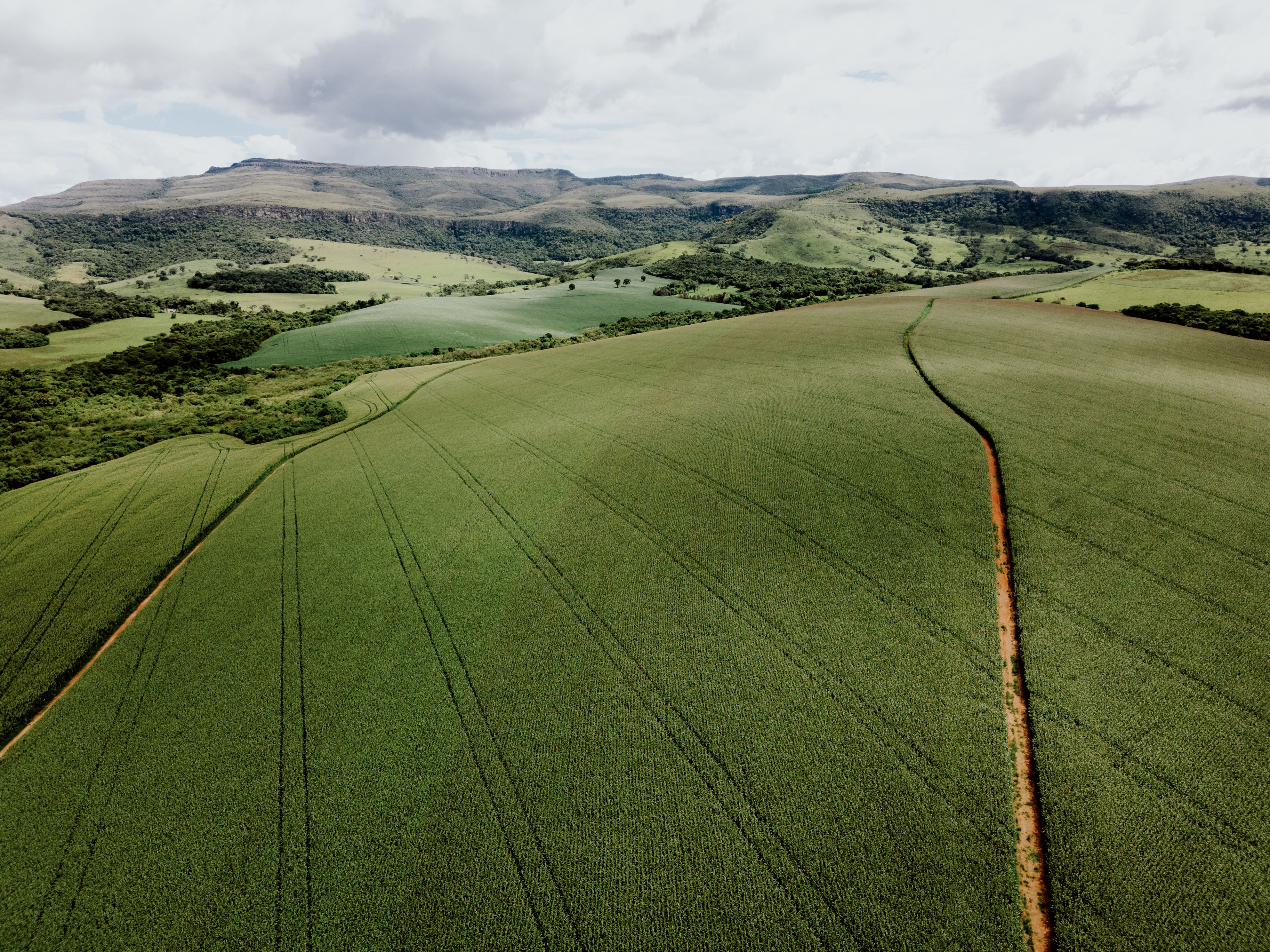
While thermal imaging has military applications, it is widely used in various civilian industries. From firefighting and agriculture to wildlife monitoring and search and rescue missions, thermal drones offer invaluable insights and improve efficiency across multiple sectors.
Practical Applications of Thermal Imaging Drones
Myth 5: Thermal Imaging is Inaccurate
Some argue that thermal imaging is unreliable. However, modern thermal cameras are highly precise, capable of detecting temperature variations with great accuracy. Their effectiveness in identifying issues such as energy loss in buildings or locating people in search and rescue operations is well-documented.
Myth 6: Thermal Drones Are Too Expensive
While initially costly, the prices for thermal imaging technology have decreased significantly. More businesses can now afford to integrate thermal drones into their operations, benefiting from the technology's long-term cost-saving potential.
Conclusion
As we debunk these myths, it's evident that thermal imaging with drones is a powerful tool with diverse applications. Understanding the capabilities and limitations of this technology allows businesses and individuals to harness its potential effectively. With continued advancements, the future of thermal imaging looks brighter than ever.