Comparing Traditional vs. Drone-Based Roof Inspections

Introduction to Roof Inspections
Roof inspections are a crucial part of maintaining the integrity and safety of any building. Traditionally, these inspections have been conducted manually by professionals who physically climb onto roofs to assess their condition. However, with technological advancements, drone-based inspections have emerged as a modern alternative.
Traditional Roof Inspections
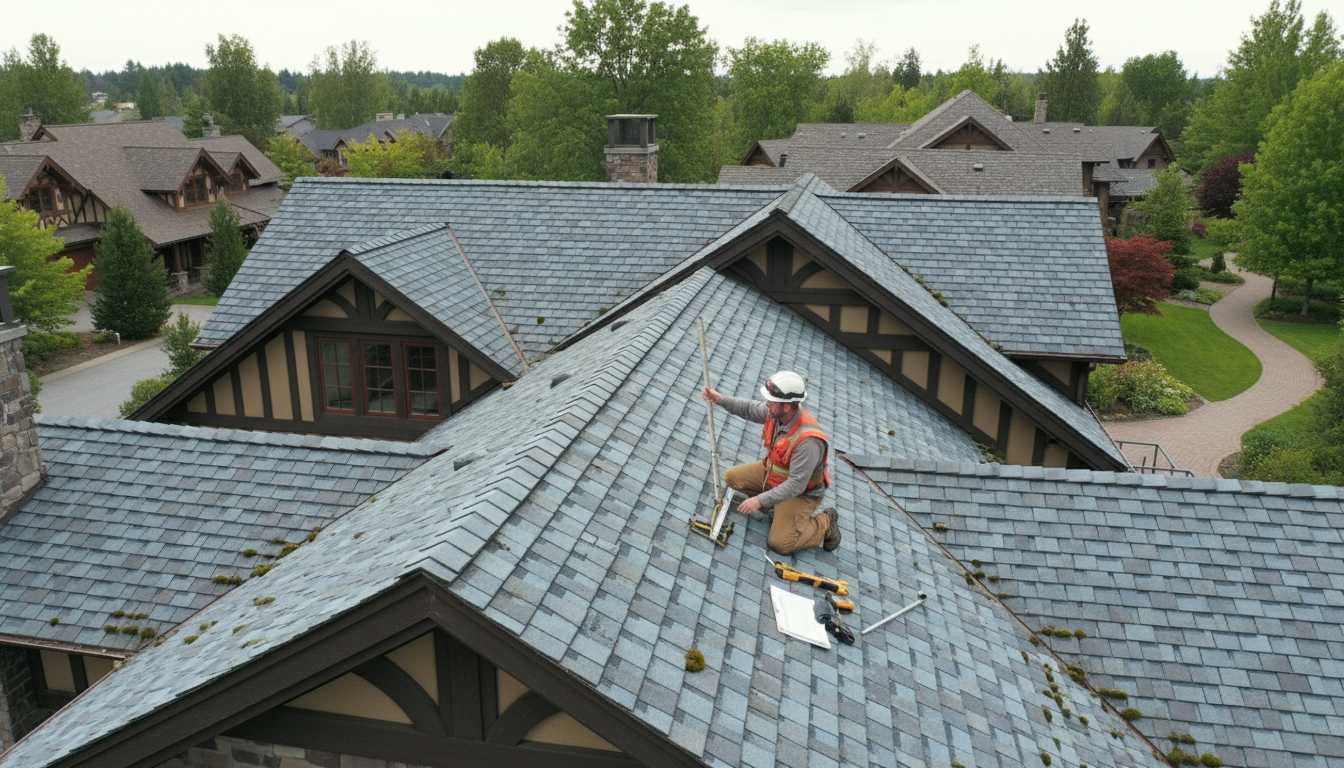
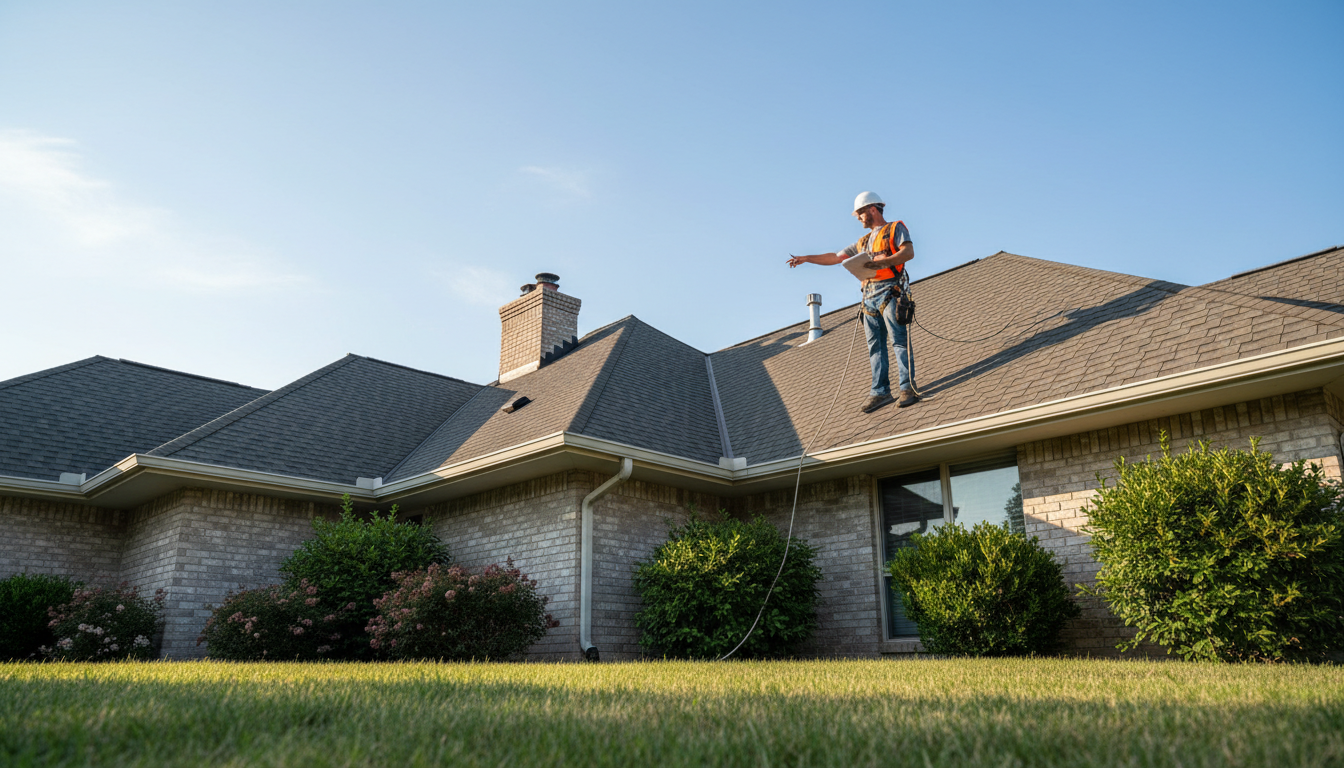
Traditional roof inspections involve a trained professional using ladders and safety equipment to access and inspect the roof. This method provides a hands-on approach, allowing inspectors to closely examine specific areas of concern. However, it also comes with its own set of challenges and risks.
Advantages of Traditional Inspections
One of the main advantages of traditional inspections is the ability to perform detailed physical assessments. Inspectors can touch, measure, and test materials directly, ensuring thorough evaluations. This method is particularly effective for assessing complex issues that require a tactile approach.
Challenges of Traditional Inspections
Despite their effectiveness, traditional inspections pose significant safety risks. Climbing onto roofs can be dangerous, especially in adverse weather conditions or with steep pitches. Additionally, these inspections are often time-consuming and may require more labor.
Drone-Based Roof Inspections
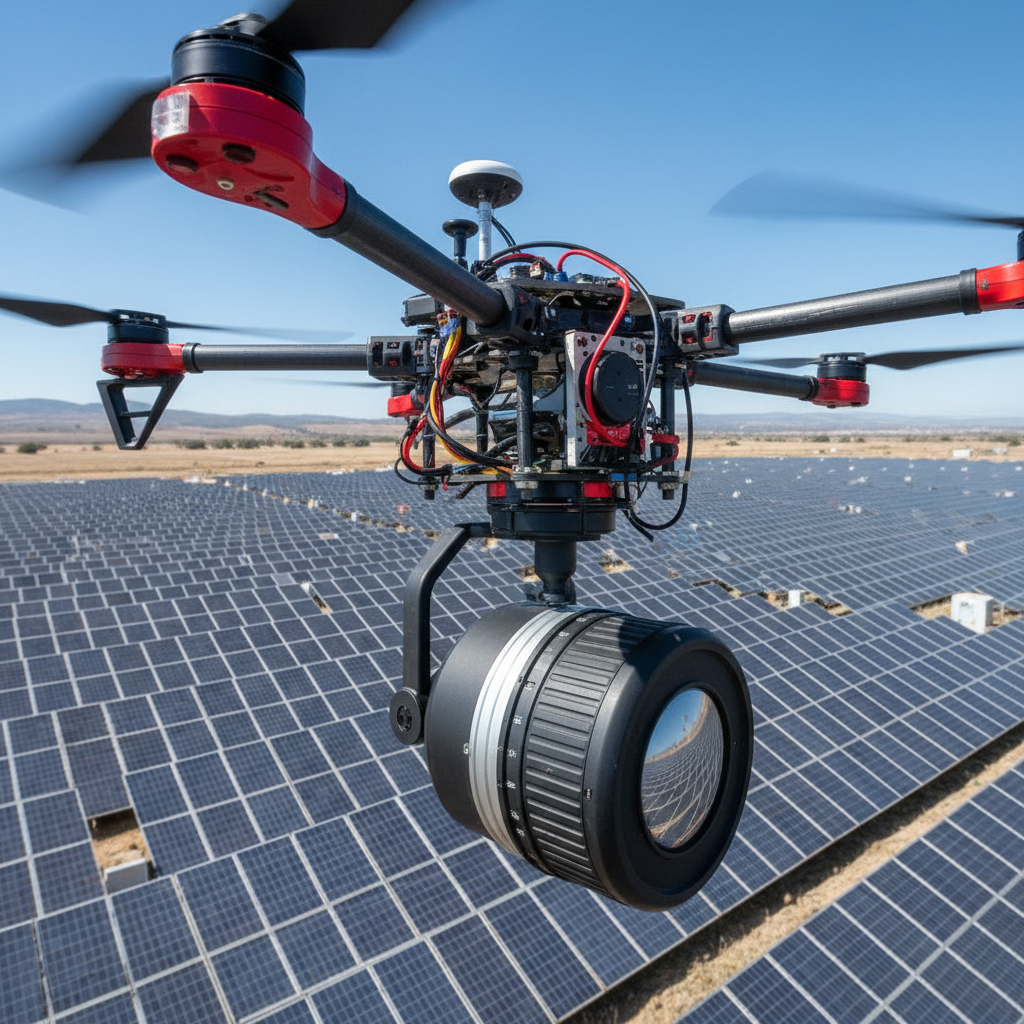
Drone-based inspections utilize unmanned aerial vehicles equipped with cameras and sensors to capture high-resolution images and data of roof surfaces. This technology offers a safer and more efficient alternative to traditional methods.
Benefits of Drone Inspections
Drone inspections provide several benefits, including improved safety and efficiency. By eliminating the need for climbing, drones minimize the risk of accidents. They can quickly cover large areas, reducing inspection time and labor costs. Additionally, drones can access hard-to-reach areas that may be challenging for human inspectors.
Limitations of Drone Inspections
While drone technology is advanced, it is not without limitations. Drones may struggle in adverse weather conditions, such as strong winds or rain. Furthermore, they may not be able to perform the tactile assessments necessary for certain issues, requiring follow-up inspections.
Comparing Costs and Efficiency
When comparing the costs of traditional versus drone inspections, several factors come into play. Traditional inspections may incur higher labor costs due to the time and personnel required. On the other hand, drone inspections often involve initial investments in technology but can lead to long-term savings through efficiency gains.
Efficiency is a significant advantage of drone inspections. Drones can complete comprehensive roof assessments in a fraction of the time it takes for manual inspections, allowing for quicker turnaround and potentially reducing downtime.
Conclusion
Both traditional and drone-based roof inspections have their unique advantages and challenges. The choice between the two largely depends on the specific requirements of the inspection and the resources available. As technology continues to evolve, drones are likely to become an increasingly common tool in the inspection industry, complementing traditional methods rather than replacing them entirely.