Comparing Traditional vs. Drone-Based Roof Inspections

Understanding Roof Inspections
Roof inspections are a critical part of maintaining the integrity and longevity of a building. Traditionally, these inspections have been conducted manually by professional roofers, who must physically climb onto roofs to assess their condition. However, with the advent of drone technology, this process is becoming increasingly sophisticated and efficient.
The primary objective of a roof inspection, whether traditional or drone-based, is to identify potential issues such as leaks, damaged shingles, or structural weaknesses that could lead to costly repairs if left unresolved. The method chosen can significantly impact the efficiency and safety of the inspection process.

Traditional Roof Inspections
Traditional roof inspections involve a professional physically examining the roof. This method is thorough and allows for tactile assessment, which can be crucial in identifying subtle issues. However, it comes with its own set of challenges.
Pros and Cons
Advantages of traditional inspections include the ability to detect textures, feels, and other physical indicators that may not be visible from afar. Experienced inspectors can often diagnose potential issues by touch or close visual examination.
On the downside, traditional inspections can be time-consuming and involve significant safety risks. Climbing ladders and walking on roofs pose hazards not only to the inspectors but also to the property if not done carefully.

Drone-Based Roof Inspections
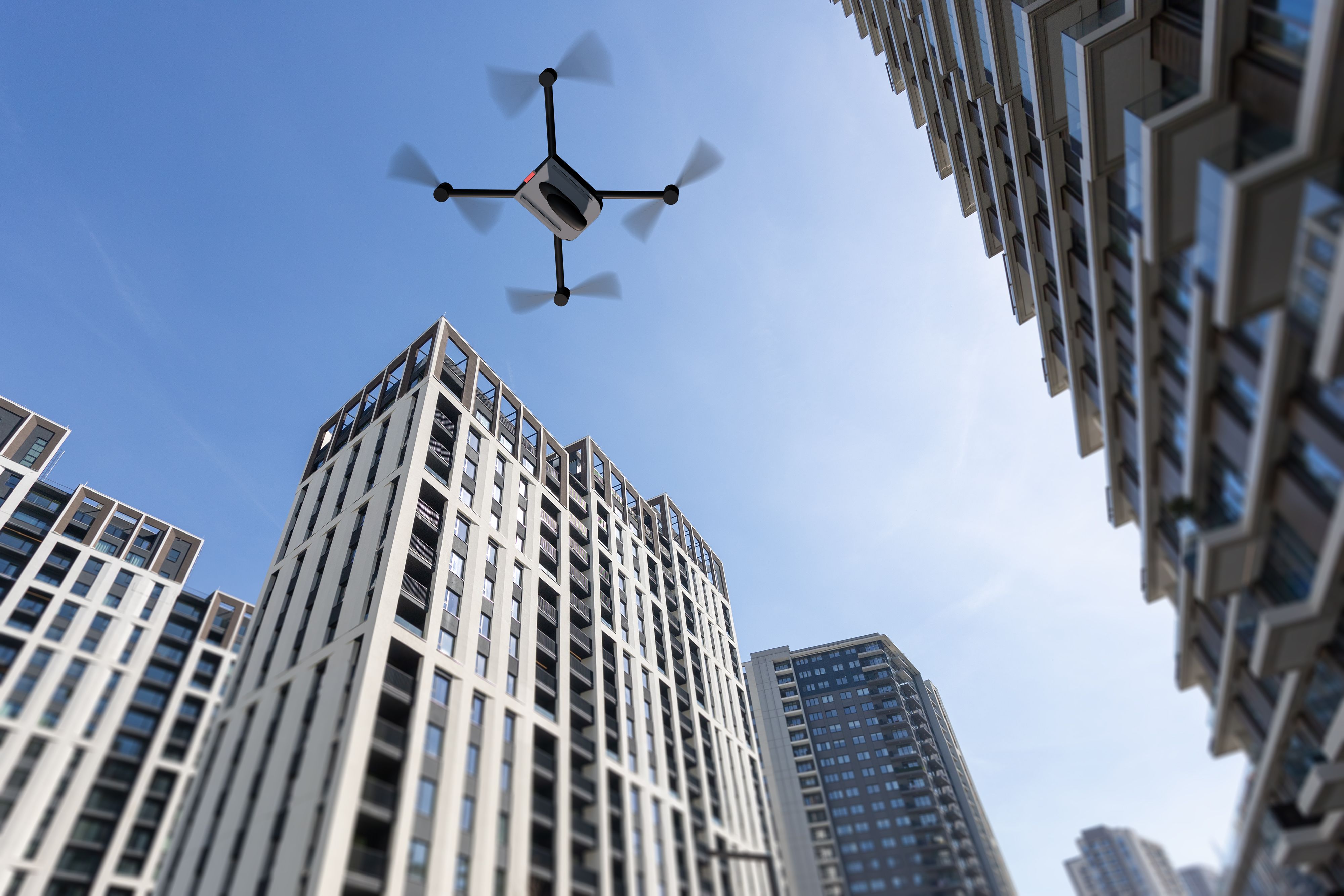
Drone technology has revolutionized the way roof inspections are conducted. Drones equipped with high-resolution cameras and sensors can quickly survey a roof's condition from above, capturing detailed images and data.
Pros and Cons
The use of drones offers several advantages, including enhanced safety and efficiency. Inspections can be performed without the need for ladders or climbing, significantly reducing the risk of accidents. Drones can also cover large areas quickly, allowing for faster assessments.
However, drone-based inspections may miss some tactile details that a human inspector might catch. Weather conditions can also affect the drone's ability to operate effectively, potentially limiting its use in certain scenarios.
Comparative Analysis
When comparing traditional and drone-based inspections, it's essential to weigh the specific needs of the project. Traditional methods offer a level of detail that may be necessary for specific scenarios, while drones provide speed and safety.
- Traditional inspections are ideal for detailed, tactile assessments.
- Drones excel in efficiency and safety, especially for large or hazardous areas.
Choosing the Right Method
The choice between traditional and drone-based inspections often depends on the situation. For routine checks or when safety is a primary concern, drones may be the preferred option. Conversely, for intricate details and when precise tactile feedback is required, traditional methods may be more suitable.
Ultimately, a combination of both methods could offer the most comprehensive assessment, leveraging the strengths of each approach to ensure the best outcome for the property.