Comparing Traditional vs. Drone-Based Building Inspections

Introduction to Building Inspections
Building inspections are a critical component in maintaining the safety and integrity of structures. Traditionally, these inspections have been conducted manually by trained professionals who assess the condition of a building through a hands-on approach. However, with the advent of drone technology, a new method has emerged that offers several advantages over the traditional approach.

Traditional Building Inspections
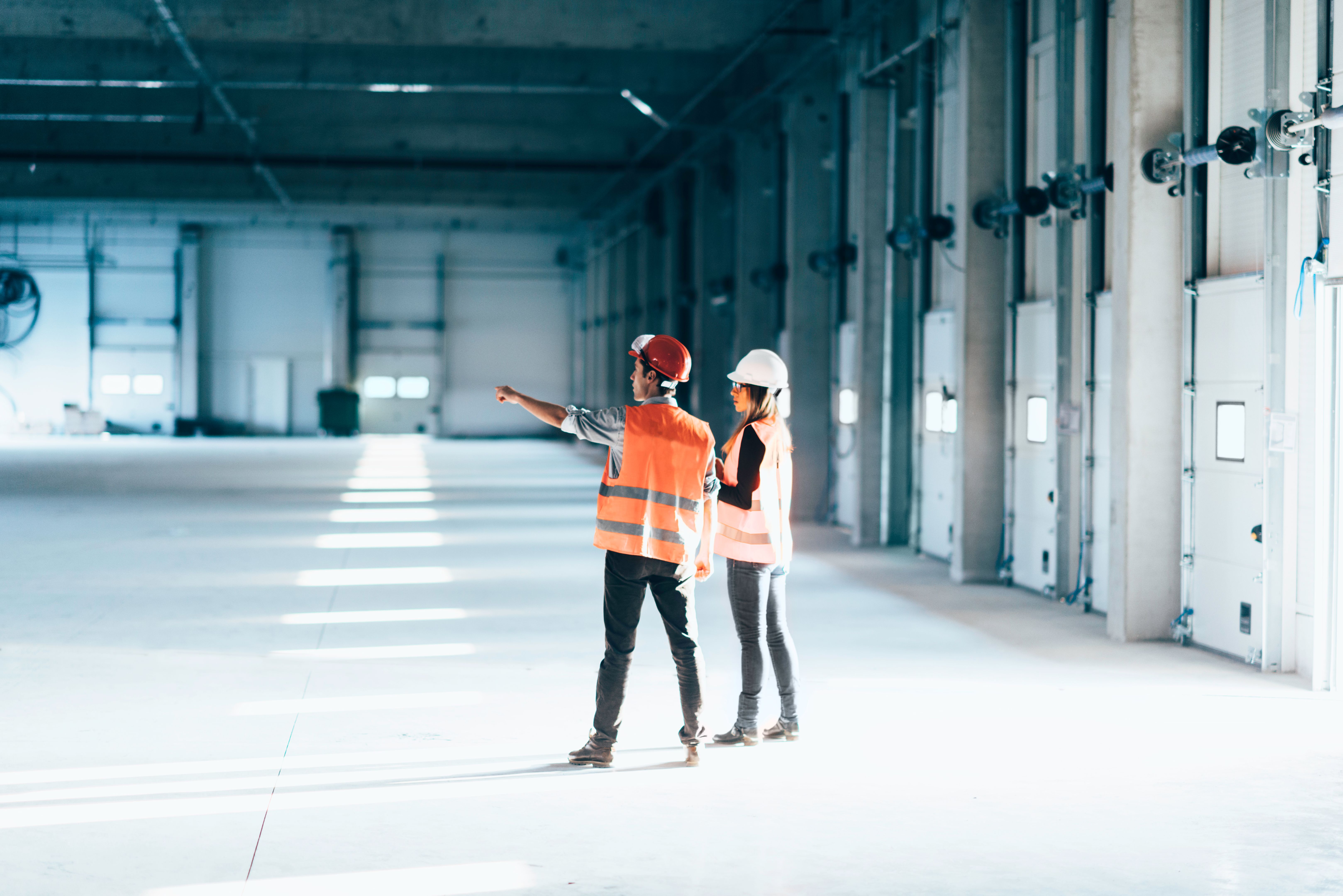
Traditional building inspections involve a thorough examination by inspectors who physically access various parts of a structure. This process often requires scaffolding, ladders, and other equipment to reach high or difficult areas. Inspectors rely on their expertise to identify potential issues, such as cracks, water damage, or structural weaknesses.
Some key benefits of traditional inspections include:
- Hands-on Evaluation: Inspectors can touch and closely examine materials and components.
- Experience-Based Insights: Skilled inspectors draw from years of experience to make informed assessments.
Challenges of Traditional Inspections
Despite their effectiveness, traditional inspections come with certain drawbacks. They are often time-consuming and labor-intensive, requiring significant manpower and resources. Moreover, the need for physical access can pose safety risks to inspectors, especially when dealing with tall or unstable structures.
Drone-Based Building Inspections
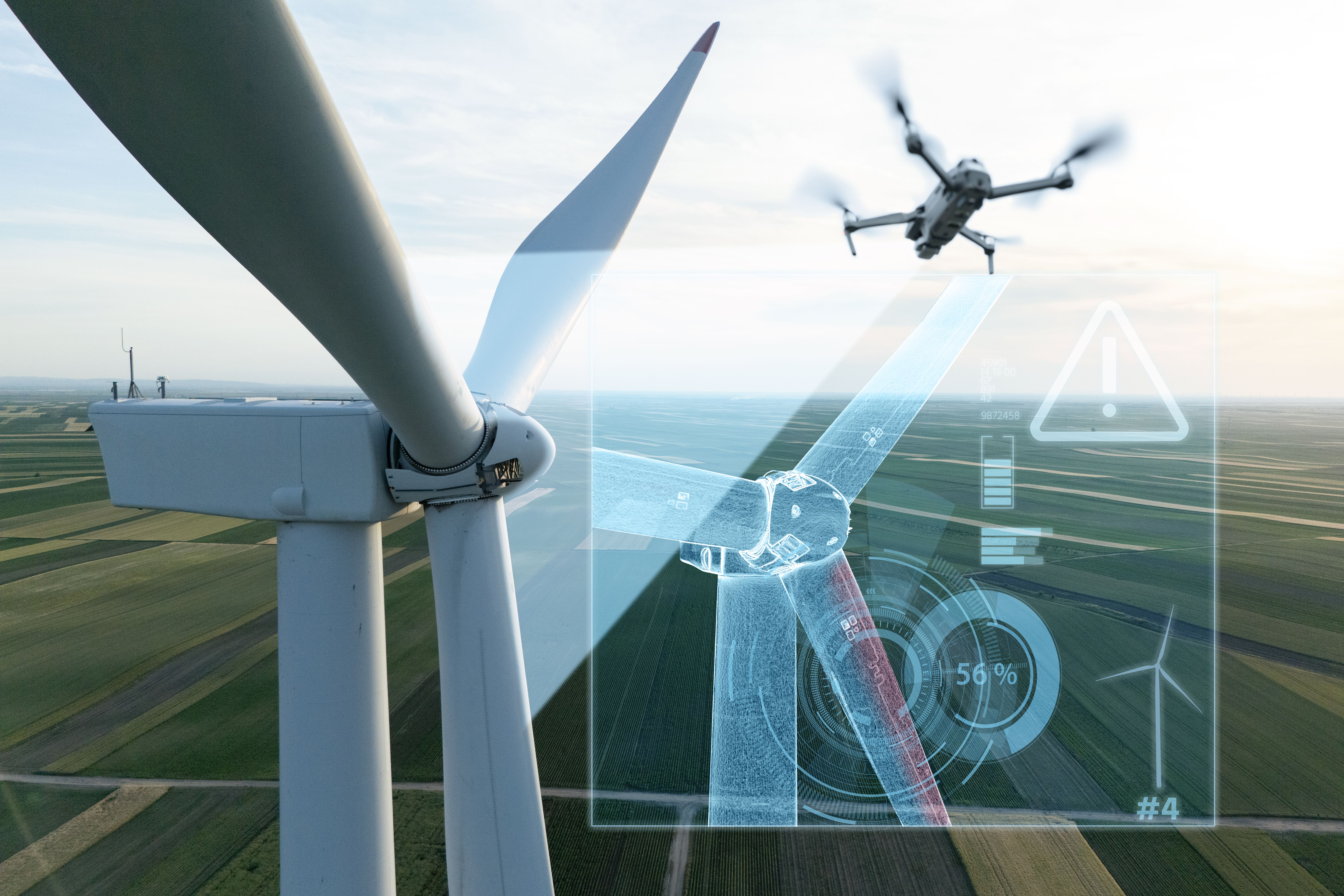
Drone technology has revolutionized the way building inspections are conducted. Equipped with high-resolution cameras and sensors, drones can capture detailed images and data from angles that are challenging or dangerous for human inspectors to reach. This technology allows for a quicker and more comprehensive assessment of a building's condition.
Advantages of drone-based inspections include:
- Enhanced Safety: Reducing the need for inspectors to physically access hazardous areas.
- Faster Data Collection: Drones can cover large areas in a fraction of the time it takes for manual inspections.
- Improved Accuracy: High-quality imagery helps in identifying issues that might be missed during traditional inspections.
Limitations of Drone Inspections
While drones offer numerous benefits, they also have limitations. For instance, adverse weather conditions can hinder their operation. Additionally, drones are not yet capable of replacing the nuanced judgment that experienced human inspectors provide. In some cases, follow-up inspections by professionals may still be necessary to verify findings or perform repairs.
Comparative Analysis
When comparing traditional and drone-based inspections, it's important to consider the specific needs of each project. Traditional methods excel in scenarios where detailed tactile examination is crucial, while drones are ideal for preliminary assessments and large-scale projects where efficiency and coverage are prioritized.
Combining both methods can yield the best results, leveraging the strengths of each to provide a comprehensive inspection process.
The Future of Building Inspections
The integration of drone technology into building inspections represents a significant step forward in the industry. As technology continues to evolve, we can expect further advancements in capabilities, including artificial intelligence-driven analysis and real-time data processing. These developments promise to enhance the accuracy and efficiency of building inspections even further.
Ultimately, whether utilizing traditional methods, drone technology, or a combination of both, the goal remains the same: ensuring that buildings are safe, secure, and structurally sound for all occupants.