Case Study: Enhancing Structural Safety with Drone Inspections

Introduction
In recent years, the use of drones has revolutionized various industries, including construction and structural engineering. One of the most significant advancements is the integration of drone inspections to enhance structural safety. This case study explores how drone technology is transforming inspection processes, ensuring more reliable and efficient evaluations.
The Need for Enhanced Structural Safety
Traditional inspection methods often involve significant risks and limitations. Inspectors might need to access hard-to-reach areas using scaffolding or ropes, which can be both dangerous and time-consuming. Moreover, human error could lead to oversight, potentially compromising structural integrity.
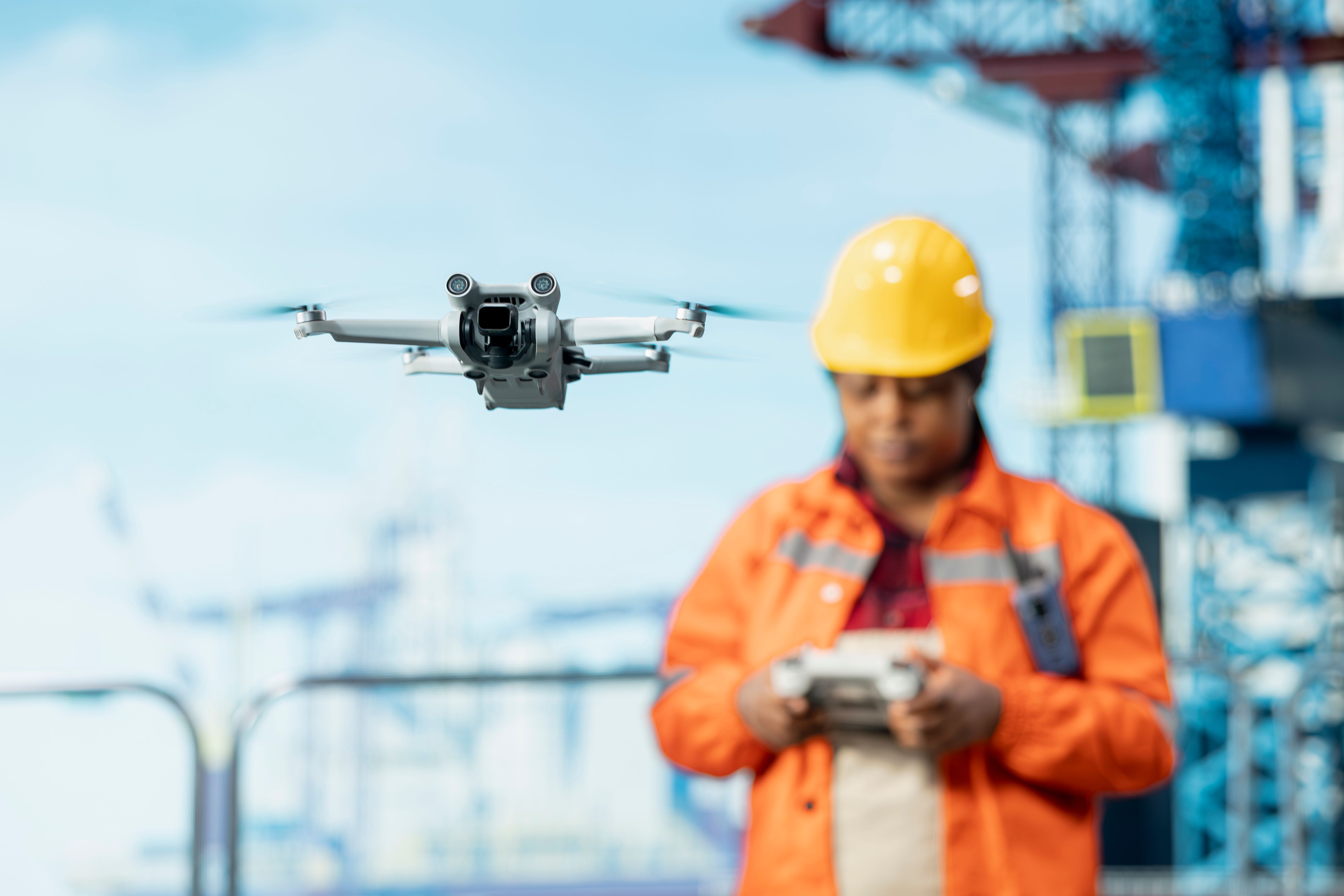
With the advent of drones, these challenges are being effectively addressed. Drones provide a safer, quicker, and more comprehensive way to assess the condition of structures, from bridges to high-rise buildings.
How Drones Improve Inspections
Drones are equipped with high-resolution cameras and sensors that capture detailed images and data. These tools allow inspectors to identify potential issues such as cracks, corrosion, or other structural deficiencies that may not be visible from the ground.
Additionally, drones can access confined spaces and difficult-to-reach areas without putting human inspectors at risk. This ability significantly reduces the time and cost associated with traditional inspection methods.

Case Study: A Real-World Application
In a recent project, a major city employed drone inspections to evaluate the condition of its aging infrastructure. The focus was on several key structures, including bridges and tunnels, which required urgent evaluation due to safety concerns.
The results were impressive. The drones completed the inspections in half the time it would have taken a traditional team. Moreover, the detailed imagery and data collected enabled engineers to pinpoint areas needing urgent repair, thereby enhancing safety measures.
Benefits Highlighted by the Case Study
- Increased Safety: Drones eliminated the need for inspectors to work at dangerous heights or in hazardous conditions.
- Cost Efficiency: The use of drones significantly reduced labor and equipment costs associated with traditional inspections.
- Data Accuracy: High-resolution imaging provided precise data, improving the decision-making process for repairs and maintenance.

Conclusion
The integration of drone technology into structural inspections is proving to be a game-changer. By enhancing safety, reducing costs, and providing accurate data, drones are setting a new standard in the industry.
As technology continues to advance, the potential applications of drones in ensuring structural safety are limitless. This case study serves as a testament to the transformative power of drones in the modern world of engineering and construction.